Custom Apparel & Footwear Packaging Boxes:
Full Manufacturing Capability Guide
UGI Packaging (ukugi.com) has manufactured custom apparel and footwear boxes since 2007 — supporting all industry-standard structures, 6 printing methods, 12 surface finishes, and every major substrate category, with ISO 9001 certification and no fixed MOQ.
Company at a Glance — Factory Credentials & Capabilities Overview
UGI Packaging is located in the Gangteng area of Huadu District, Guangzhou — one of China’s most concentrated packaging manufacturing zones, offering proximity to raw material suppliers, specialist finishing vendors, and major export logistics hubs including Nansha Port and Guangzhou Baiyun International Airport.
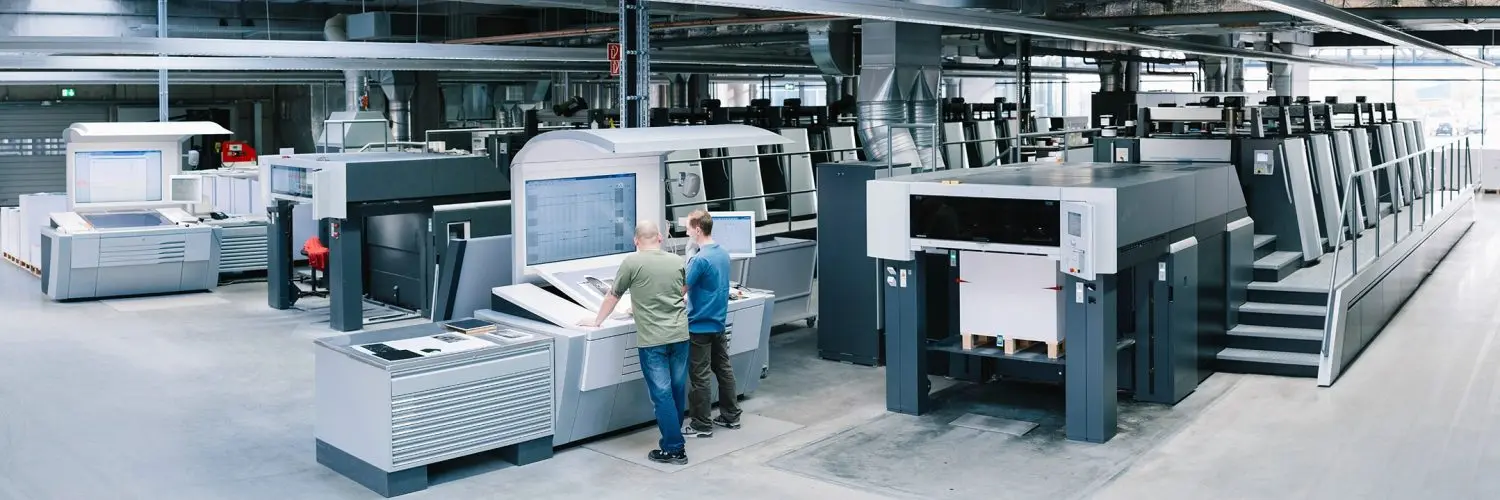
The factory operates as a vertically integrated production unit, handling structural design, prepress, printing, lamination, surface finishing, die-cutting, and assembly under one roof. This integration eliminates inter-vendor quality variation and compresses lead times compared to factories that subcontract finishing or printing processes.
UGI Packaging serves clients across the fashion retail, luxury goods, sportswear, independent footwear, and e-commerce sectors. The factory’s OEM and ODM service model means that both clients with complete artwork ready for production and clients who require end-to-end packaging design can be accommodated without the need to engage a separate design agency.
Service Model: OEM, ODM, and End-to-End Production
UGI Packaging operates across three engagement modes, each suited to different client requirements:
For more information on UGI Packaging’s custom service approach, visit the Custom Service page or view finished product examples in the Gallery.
Structural Engineering — Every Box Construction Available
Box structure is the foundational engineering decision in any packaging project. The wrong construction increases assembly time on the production line, raises shipping damage rates, inflates freight costs through poor volume efficiency, and degrades the unboxing experience that drives consumer retention and social sharing. Selecting the correct structure requires matching the product’s weight, dimensions, fragility, price point, retail environment, and logistics pathway to the physical properties of the box format.
UGI Packaging’s structural engineers work with clients to evaluate these factors before committing to a construction. The sections below describe every structure available, with technical characteristics, typical applications, and key considerations for apparel and footwear brands.
2.1 Rigid Lid & Base Box (天地盖)
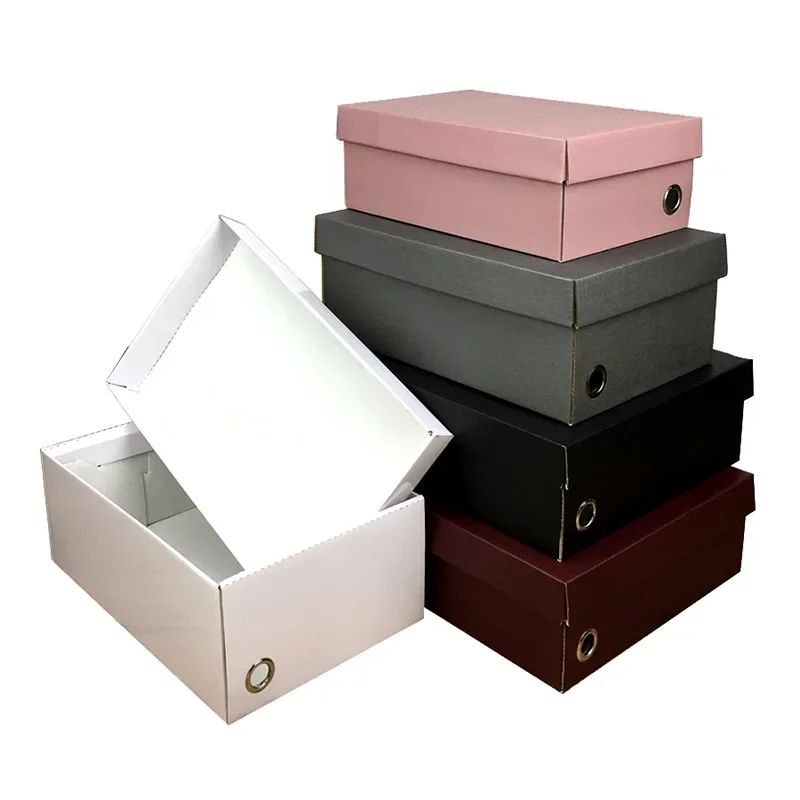
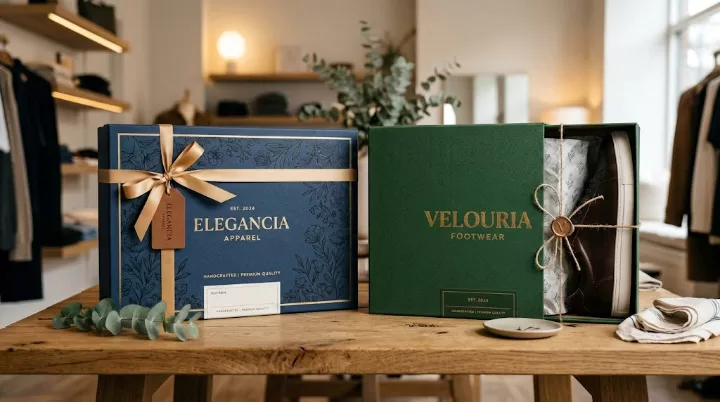
The rigid lid-and-base, known in the Chinese manufacturing trade as 天地盖 (tiān dì gài), is the most widely used premium packaging format in the apparel and footwear sector. It consists of two separate components — a base tray and a lid — both constructed from high-density grey board (chipboard) at weights between 1,200 gsm and 3,000 gsm, then wrapped in a chosen outer material such as coated art paper, textured specialty paper, or kraft paper.
The structure’s rigidity comes from the chipboard core, not from glue joints alone, making it far more resistant to compression, impact, and edge crush than folding carton equivalents at similar external dimensions. For footwear, this structural integrity protects the product during transit without requiring an outer corrugated carton in many retail distribution scenarios.
Typical Applications
Luxury sneakers, dress shoes, premium garments, suit and formalwear retail, gift sets, limited-edition footwear releases
Key Technical Advantages
High compression strength, excellent stackability in retail environments, maximum printable surface area on lid face, premium tactile weight, reusable by end consumers
Considerations
Ships assembled (not flat-packed), so freight volume is higher than collapsible formats. Best suited to retail distribution or white-glove fulfilment rather than high-volume direct-to-consumer e-commerce
2.2 Magnetic Closure Rigid Box
The magnetic closure rigid box replaces the separate lid-and-base configuration with a hinged single-piece construction, where the lid and base are connected by a fabric or paper hinge and secured by neodymium magnets embedded behind the outer wrap. When opened, the lid swings back 180 degrees and stays in position, making it the format of choice for high-end unboxing experiences.
Magnet placement is specified during the structural engineering stage — typically two or four magnets symmetrically placed along the front edge of the lid, with corresponding steel receiver discs in the base. Magnet strength (pull force, measured in Newtons) is selected based on lid weight and the desired resistance to accidental opening during transit. UGI Packaging’s engineers can specify magnet grades from N35 to N52 depending on project requirements.
2.3 Drawer / Slide Box (抽屉式)
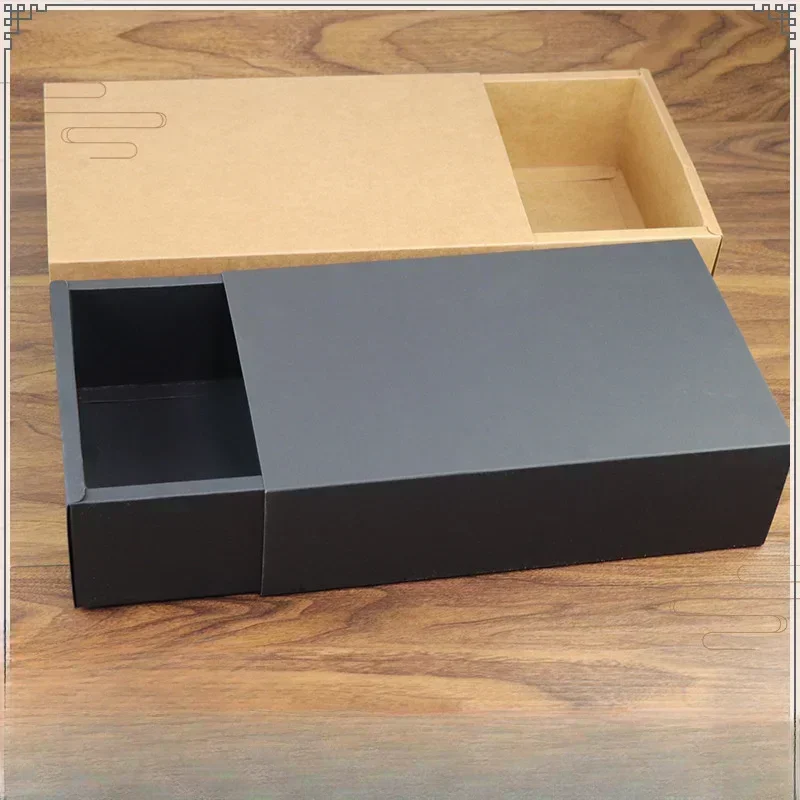
The drawer box consists of an outer sleeve and an inner tray that slides horizontally out of the sleeve, resembling a matchbox in its operating principle. In apparel and footwear applications, the drawer format is most commonly used for accessories, socks, ties, belts, small garments, and footwear insoles. The slide action creates a distinctive reveal moment that differentiates the product from conventional lid-lift formats.
Drawer boxes can be constructed in both rigid (chipboard core) and semi-rigid (folding carton board) variants. The rigid version is appropriate for premium price-point products where the box itself carries brand value; the semi-rigid version offers a cost-efficient format for mid-market accessories packaging where the unboxing action is desired without the material cost of full chipboard construction.
UGI Packaging produces drawer boxes with ribbon pull tabs, finger-notch cut-outs in the sleeve base, or friction-fit resistance calibrated to the drawer weight — all of which are specified during the structural prototyping stage to ensure consistent drawer operation across the production run.
2.4 Clamshell / Hinged Box
The clamshell box is a one-piece construction where base and lid are formed from a single scored and folded sheet, connected at the rear by a living hinge. Unlike the magnetic closure rigid box — which is wrapped over a chipboard substrate — the clamshell is typically produced in folding carton board (350–450 gsm) without a chipboard inner layer, making it a lighter and lower-cost format while retaining the integrated lid-base relationship.
In footwear packaging, the clamshell format is commonly seen in mid-market athletic footwear and children’s shoes, where the box is part of the retail display rather than a premium unboxing vehicle. The single-piece construction also simplifies automated filling on packing lines, as the box does not require a separate lid to be placed.
2.5 Foldable / Collapsible Box
The foldable box is engineered to collapse flat for shipping and storage, then be assembled into a rigid three-dimensional form by the end user or warehouse packing team without tools or adhesive. The structure uses precisely scored fold lines and interlocking tab-and-slot mechanisms to maintain rigidity once erected.
For apparel e-commerce brands shipping globally from a central fulfilment location, the foldable format offers a decisive freight cost advantage. A pallet of flat-packed foldable boxes can contain three to seven times the unit count of the same pallet loaded with pre-assembled rigid boxes, directly reducing per-unit air and sea freight costs. UGI Packaging engineers the fold lines and locking tabs to ensure the erected box achieves the target compression strength even after multiple flat-pack cycles.
UGI Packaging produces foldable boxes in both paperboard (250–400 gsm) and chipboard-backed (rigid collapsible) variants. The rigid collapsible version uses a chipboard substrate with strategic score cuts, maintaining structural integrity comparable to a non-collapsible rigid box while still shipping flat.
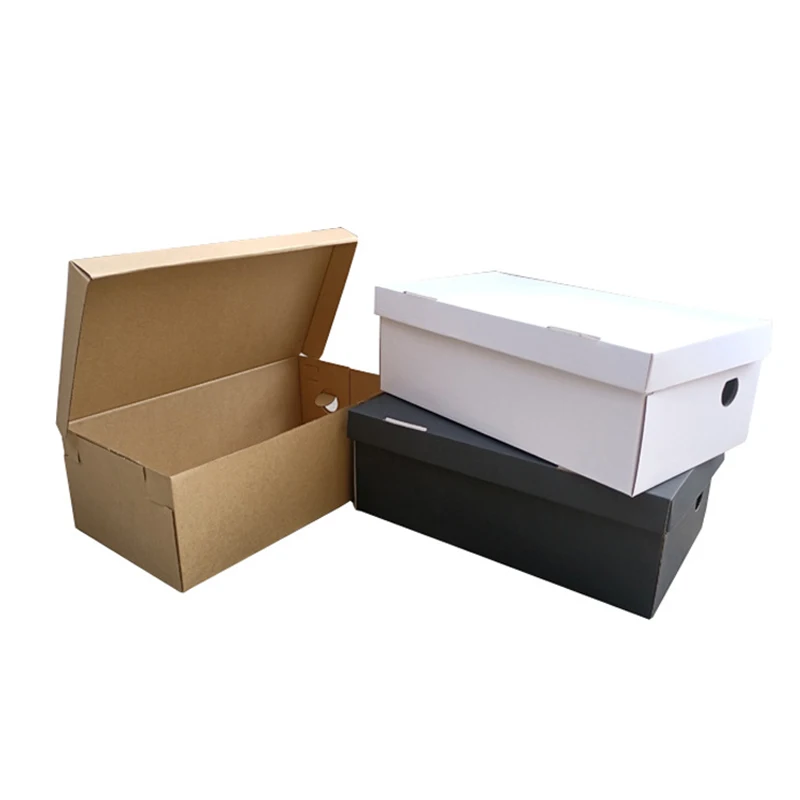
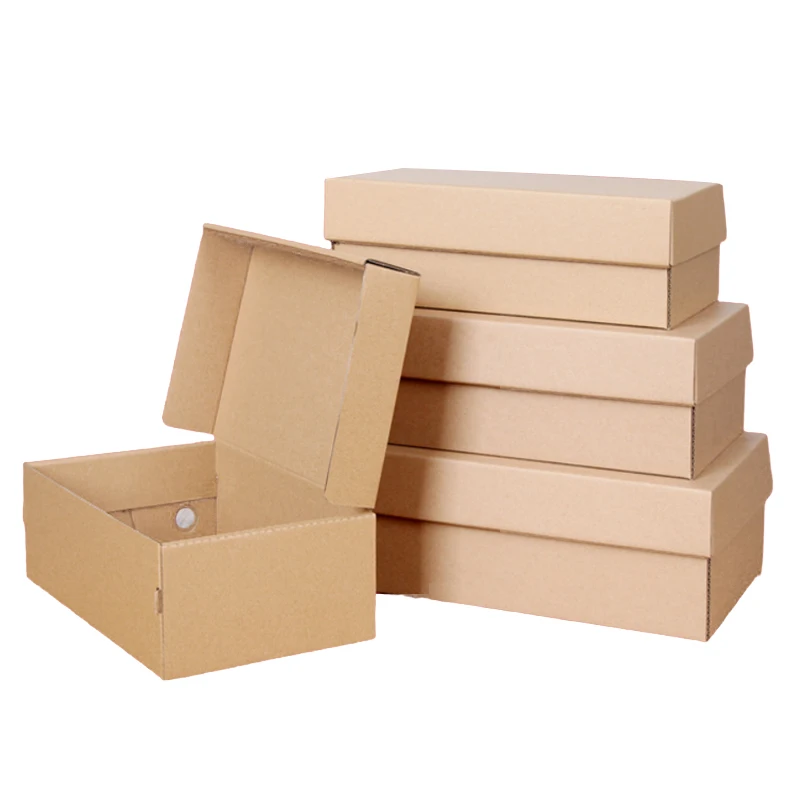
2.6 Corrugated Shoe Box — 3-Layer and 5-Layer
Corrugated board boxes remain the dominant format for mass-market footwear retail and for all logistics outer carton applications. UGI Packaging produces corrugated shoe boxes in both 3-layer (single-wall) and 5-layer (double-wall) constructions, with flute profiles selected based on required compression strength, print quality requirements, and weight constraints.
Flute selection is a technical decision with direct consequences for print quality and structural performance. B-flute (3mm) offers a smoother outer surface for direct print and is the standard for retail shoe boxes. C-flute (4mm) provides higher stacking strength and is used for heavier footwear or boxes requiring greater vertical load capacity in warehouse storage. E-flute (1.5mm) delivers the smoothest printable surface of all corrugated profiles and is used for premium corrugated shoe boxes where near-offset print quality is required on the board surface itself, without a separate laminated paper wrap.
2.7 Neck & Shoulder Box
The neck-and-shoulder box is a three-component rigid structure consisting of a base tray, an inner collar (the “neck”), and a separate lid. The collar is glued inside the base tray, creating a stepped interior that holds the lid at a precise height above the base — producing a distinct reveal effect as the lid is lifted. This structure is predominantly used in luxury fragrance, jewellery, and watch packaging but is increasingly adopted by premium apparel brands for capsule collection launches and gift-with-purchase applications.
The elevated lid creates a visual depth and layered presentation that a standard lid-and-base cannot replicate. Satin ribbon lifts or tissue paper fills are frequently specified alongside the neck-and-shoulder structure to complete the luxury unboxing sequence. UGI Packaging produces neck-and-shoulder boxes in grey board chipboard with custom outer wrap selection.
2.8 Auto-Lock Base Box
The auto-lock base box is a folding carton format engineered for high-speed automated assembly. The base panel incorporates interlocking tabs that snap into locked position when the box is erected, eliminating the need for bottom-gluing equipment on the packing line. The auto-lock mechanism delivers a base that is significantly stronger than a standard tuck-end bottom, capable of supporting product weights of 2–5 kg without base failure under normal handling conditions.
For apparel fulfilment operations handling thousands of units per day, the auto-lock format reduces packing labour time per unit by approximately 30–40% compared to boxes requiring a manually folded and taped base. UGI Packaging produces auto-lock base boxes in paperboard weights from 300 gsm to 450 gsm, with all six faces available for full custom printing.
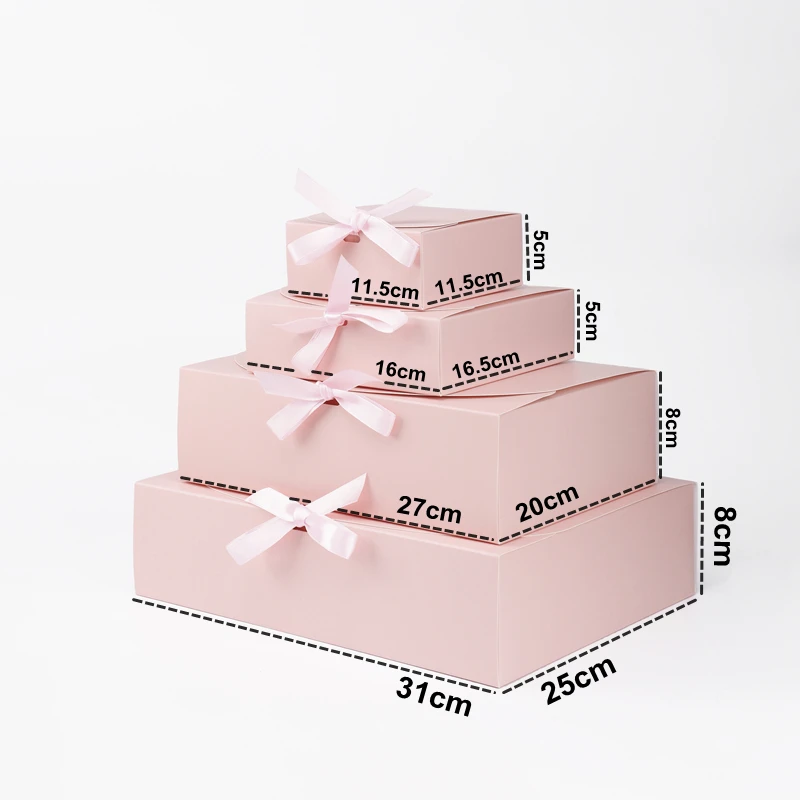
2.9 Folding Carton — Tuck-End and Reverse-Tuck
The standard folding carton — produced from a single die-cut and scored paperboard sheet — is the baseline format for mid-market apparel accessories, socks, ties, scarves, and small garments. Tuck-end cartons (where both top and bottom close with tuck tabs) are the most common variant. Reverse-tuck cartons (where top and bottom tuck tabs face opposite directions) are specified when the product is inserted from the bottom and the top tuck must remain undisturbed during retail display.
UGI Packaging produces folding cartons in both straight-tuck and reverse-tuck configurations, in paperboard weights from 250 gsm to 400 gsm. Full CMYK offset printing is standard on this format, with all surface finishes available on the outer face. The inner face can be printed with a single colour or left unprinted, depending on budget and brand specification.
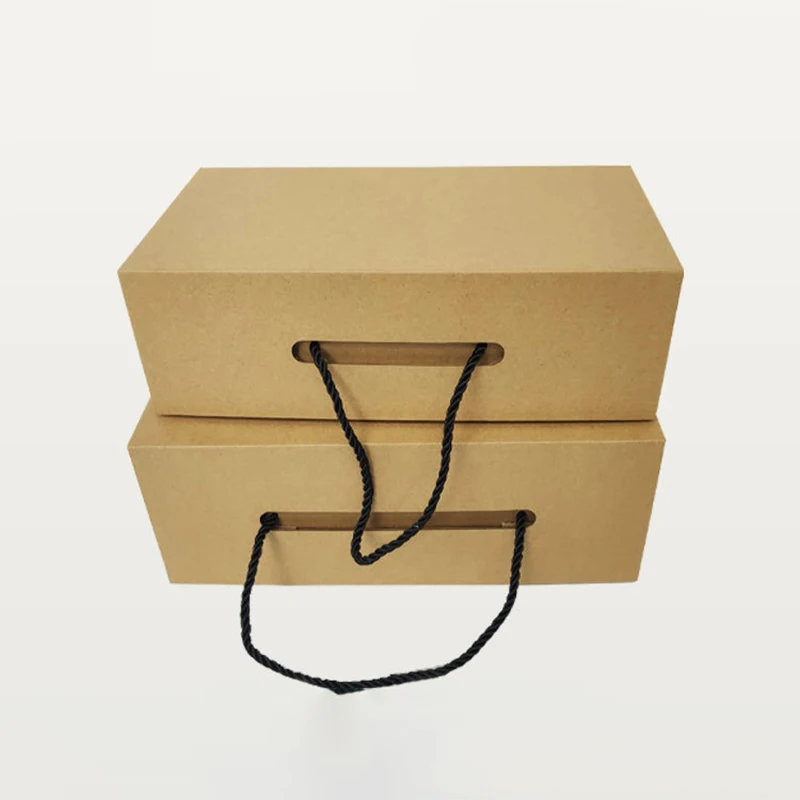
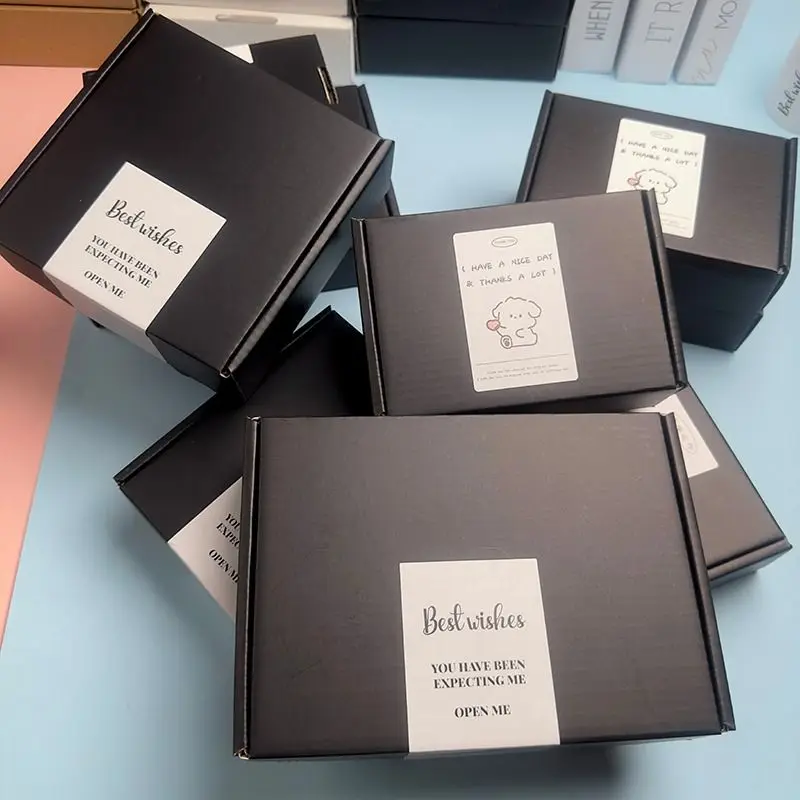
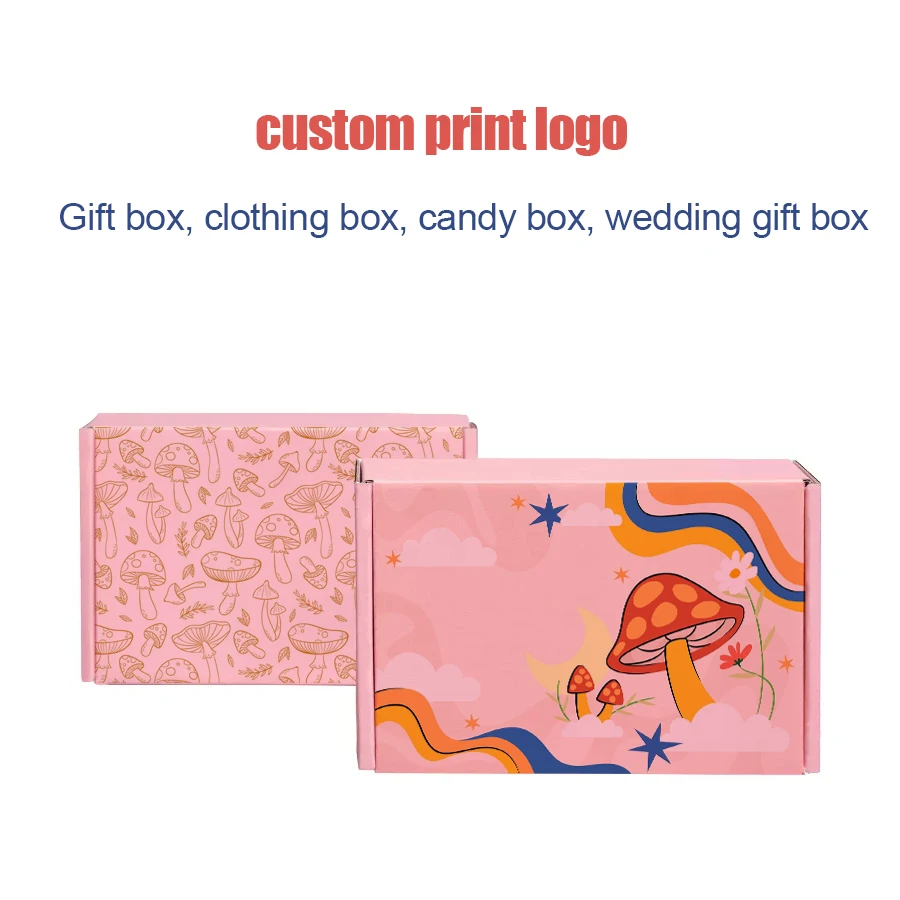
2.10 Apparel Flat-Pack / Mailing Box
The apparel flat-pack or mailing box is a corrugated or heavy paperboard format designed for direct-to-consumer shipping without an additional outer carton. These boxes incorporate self-sealing adhesive strips or tuck-lock closures that withstand the mechanical stress of automated sortation systems used by major courier networks including DHL, FedEx, and UPS.
UGI Packaging produces apparel mailing boxes with burst strength and edge crush test (ECT) values specified to meet the shipment standards required by major carriers. Print quality on this format varies by substrate: E-flute corrugated delivers near-paperboard quality for branded mailing boxes; standard B-flute is appropriate for logistics-functional boxes where minimal decoration is required. Custom print on all exterior faces is available.
Structure Comparison Reference Table
| Structure | Primary Material | Ships Flat | Price Tier | Best For |
|---|---|---|---|---|
| Rigid Lid & Base | Grey board + paper wrap | No | Premium | Luxury shoes, premium garments, retail display |
| Magnetic Closure Rigid | Grey board + paper wrap + magnets | No | Ultra-Premium | High-end footwear, branded gift sets |
| Drawer / Slide Box | Grey board or paperboard | No | Mid–Premium | Socks, accessories, small garments |
| Clamshell / Hinged | Paperboard 350–450 gsm | No | Mid | Athletic footwear, children’s shoes, retail display |
| Foldable / Collapsible | Paperboard or rigid collapsible board | Yes | Mid–Premium | E-commerce apparel, DTC brands, subscription boxes |
| Corrugated 3-layer | Single-wall corrugated board | Yes | Economy–Mid | Mass-market footwear retail, light logistics |
| Corrugated 5-layer | Double-wall corrugated board | Yes | Economy | Heavy footwear, outer shipping cartons, warehouse storage |
| Neck & Shoulder | Grey board + paper wrap | No | Ultra-Premium | Capsule collections, gift-with-purchase, limited editions |
| Auto-Lock Base | Paperboard 300–450 gsm | Yes | Mid | High-volume apparel fulfilment, automated packing lines |
| Folding Carton (Tuck-End) | Paperboard 250–400 gsm | Yes | Economy–Mid | Accessories, socks, scarves, ties, small garments |
| Apparel Mailing Box | E-flute or B-flute corrugated | Yes | Economy–Mid | DTC e-commerce shipping, branded mailer boxes |
Materials Selection — Substrates, Weights & Sustainability Options
The substrate chosen for a packaging project constrains and enables every downstream decision: which printing methods are compatible, which surface finishes will adhere correctly, what compression strength the finished box will achieve, and whether the packaging can be positioned as an eco-friendly offering to sustainability-conscious retail buyers. UGI Packaging’s material sourcing team maintains supplier relationships across all major substrate categories.
3.1 Grey Board (Chipboard) — The Core of Rigid Box Construction
Grey board, commercially known as chipboard or greyboard, is the primary structural substrate for all rigid box formats including lid-and-base, magnetic closure, neck-and-shoulder, and drawer boxes. It is produced from recycled fibre pulp compressed into dense sheets, with a characteristic grey cross-section visible at cut edges. Grey board used by UGI Packaging ranges from 1,200 gsm to 3,000 gsm depending on the box size, product weight, and required compression strength.
Grey board is never used as a printable surface in its own right — its recycled fibre composition produces a rough, absorbent surface that cannot hold fine print detail. Instead, grey board serves as the structural core, over which a separate outer wrap material (coated art paper, kraft paper, or specialty paper) is laminated to create the printable and visually finished exterior. This two-material construction is fundamental to rigid box manufacturing and is what distinguishes rigid boxes from folding cartons, which use a single-material board for both structure and print surface.
Grey board density and thickness selection is an engineering decision made during the structural prototyping stage at UGI Packaging. Thicker grey board increases compression strength and perceived weight — a key tactile signal of premium quality — but also increases material cost and finished box weight, which affects shipping cost calculations for global logistics.
3.2 Coated Art Paper — The Standard Outer Wrap for Rigid Boxes
Coated art paper is the most widely used outer wrap material for rigid boxes in the apparel and footwear sector. It is produced by applying a mineral coating (typically kaolin clay or calcium carbonate) to a base paper, creating a smooth, non-porous surface that accepts offset printing with high colour fidelity, sharp dot gain characteristics, and excellent ink adhesion for subsequent surface finishing processes.
UGI Packaging uses coated art paper in weights between 105 gsm and 157 gsm for rigid box wrapping. Paper weight selection is determined by the radius of any curved wrap areas, the complexity of the wrap geometry, and the lamination equipment used. Heavier papers (128–157 gsm) provide greater opacity and a more premium feel at cut edges; lighter papers (105–115 gsm) are more compliant around complex wrap corners and are used for boxes with intricate three-dimensional geometry.
Coated art paper is available in both C1S (coated one side) and C2S (coated two sides) variants. For rigid box wrapping, C1S is standard — the coated face receives print and surface finishing while the uncoated reverse face is glued directly to the grey board substrate for optimal adhesion.
3.3 Specialty and Textured Papers — Premium Tactile Surfaces
Specialty papers introduce tactile differentiation at the material level — before any surface finishing process is applied. UGI Packaging sources and works with a range of specialty paper substrates appropriate for premium apparel and footwear packaging:
Linen Texture Paper
Embossed surface pattern replicating woven linen fabric. Widely used in premium apparel and fashion accessories packaging. Accepts foil stamping and blind embossing well; offset print adhesion requires primer coating.
Leatherette Paper
Surface embossed to simulate leather grain. Common in premium footwear and leather goods packaging. Delivers tactile leather association without the cost or sustainability concerns of genuine leather covering materials.
Pearlescent Paper
Mica-pigmented paper substrate with inherent iridescent sheen. Produces a premium luminous effect without requiring a separate pearlescent coating process. Used in luxury fashion and cosmetics-adjacent packaging.
Uncoated Natural Kraft
Unbleached kraft paper with natural brown colouration and visible fibre texture. Signals eco-friendly positioning. Print on uncoated kraft uses water-based inks; colours appear more muted and earthy than on coated substrates — a deliberate aesthetic for sustainability-positioned brands.
3.4 Coated Paperboard — Folding Carton and Foldable Box Substrate
For folding carton formats — tuck-end boxes, auto-lock base boxes, foldable collapsible boxes, and apparel mailing cartons — the primary substrate is coated paperboard in weights between 250 gsm and 450 gsm. Unlike rigid box construction, folding cartons use a single board material that functions simultaneously as the structural element and the print surface.
UGI Packaging sources C1S (coated one side) paperboard for standard folding cartons where only the exterior face requires print. C2S (coated two sides) board is specified when the interior of the box also carries printed content — for example, a branded lining pattern visible to the consumer when the box is opened. Board caliper (thickness) is selected based on the required crease sharpness, fold performance, and compression strength for the specific box dimensions and product weight.
3.5 Corrugated Board — Single-Wall, Double-Wall, and Micro-Flute
Corrugated board is constructed from two or more flat linerboard sheets bonded to a fluted (wave-profile) medium layer. The air column trapped within the flutes provides the board’s compressive strength — the deeper the flute, the greater the vertical load capacity, but the rougher the printable surface. UGI Packaging produces corrugated packaging in the following constructions:
3.6 Eco-Friendly and Sustainable Material Options
Sustainability requirements in apparel and footwear packaging have shifted from a brand differentiator to a baseline expectation from major retail buyers, particularly in European and North American markets. UGI Packaging’s sustainable material offering addresses these requirements without sacrificing print quality or structural performance:
FSC-Certified Board
Paper and board sourced from forests certified by the Forest Stewardship Council, verifying responsible forestry management. Available across grey board, coated art paper, kraft paper, and corrugated linerboard at UGI Packaging upon request.
Recycled-Content Board
Corrugated and grey board produced from post-consumer or post-industrial recycled fibre. Recycled content percentage (30%–100%) can be specified to meet brand or retail buyer requirements. Print quality on recycled-content board is equivalent to virgin fibre board of the same coating specification.
Soy-Based & Water-Based Inks
Soy-based inks replace a proportion of petroleum-derived ink vehicle with soy oil, reducing VOC emissions and improving recyclability of the printed paper. Water-based inks eliminate VOC entirely and are the standard specification for all food-adjacent and child-product packaging at UGI Packaging.
Biodegradable Lamination
Standard BOPP (biaxially oriented polypropylene) lamination film is non-biodegradable and prevents paper recycling of laminated stock. UGI Packaging offers biodegradable PLA (polylactic acid) lamination film as an alternative, which maintains matte or gloss finish performance while allowing the laminated paper to be composted or recycled through specialist streams.
For a detailed technical reference on packaging materials, visit UGI Packaging’s Packaging Materials Insights section, which covers substrate selection in depth across all product categories.
Printing Capabilities — 6 Methods, Colour Systems & Technical Specs
Printing method selection determines colour gamut, resolution, cost per unit at a given volume, and compatibility with the chosen substrate and surface finish. No single printing method is optimal across all scenarios; the correct specification depends on run length, colour complexity, substrate type, and the surface finishes planned for the same panel. UGI Packaging’s prepress team advises clients on method selection during the quotation stage.
4.1 Offset Lithographic Printing — The Production Standard
Offset lithography is the dominant printing method for medium-to-high volume apparel and footwear packaging production. In this process, the image is transferred from a printing plate to a rubber blanket, then to the substrate — the offset step between plate and substrate allows the process to achieve fine dot reproduction and consistent ink laydown across a full production run.
UGI Packaging’s offset presses print in standard CMYK (cyan, magenta, yellow, black) four-colour process, with the option to add one or more Pantone spot colour stations for brand colours that fall outside the CMYK gamut. Spot colour stations are critical for packaging projects requiring precise brand colour matching — a Pantone 485 Red printed as a spot ink will match the brand standard far more accurately than the same colour reproduced through a CMYK screen build. For luxury fashion brands with strict brand colour standards, UGI Packaging recommends specifying at least one spot colour station for the primary brand colour.
Offset printing is most cost-efficient at run lengths above approximately 500 units, where the plate-making setup cost is amortised across a sufficient number of impressions. For runs below this threshold, digital printing is typically the more economical option.
4.2 Digital Printing — Short Runs and Variable Data
Digital printing uses inkjet or electrophotographic (toner-based) technology to transfer ink directly from a digital file to the substrate, without plates or physical setup tooling. This eliminates plate-making cost and time, making digital printing the economically optimal method for short production runs — typically below 300–500 units — and for projects requiring variable data printing, where each individual box carries unique content such as serialised numbering, QR codes, or personalised names.
UGI Packaging’s digital printing capability covers coated paperboard and coated art paper substrates. Print resolution achieves 1,200 dpi or above on compatible substrates, sufficient for photographic imagery and fine type reproduction at point sizes down to approximately 6pt. Digital printing on uncoated or specialty textured papers requires substrate-specific ink adhesion testing, which UGI Packaging conducts as part of the pre-production approval process.
For apparel brands running limited-edition capsule collections, seasonal colourway variants, or prototype sample runs ahead of a larger offset production order, digital printing at UGI Packaging provides production-equivalent quality without committing to the plate cost and minimum volumes of offset lithography. For a technical overview of how digital and offset printing compare across different packaging applications, UGI Packaging’s Printing Techniques resource library provides detailed guidance.
4.3 Screen Printing — High Ink Density and Special Substrates
Screen printing forces ink through a mesh stencil (screen) onto the substrate surface, depositing a substantially thicker ink layer than offset or digital processes. This high ink density produces colours of exceptional opacity and saturation, making screen printing the correct method for applications where: the substrate is dark-coloured or metallic (where thin offset ink layers would lack opacity), the design requires a tactile raised ink surface, or the design uses speciality inks such as fluorescent, phosphorescent, or metallic formulations not available in offset colour systems.
In apparel and footwear packaging, screen printing is most commonly specified for: logo-only or single-colour designs on kraft or dark-coloured box wraps, metallic ink effects on special occasion packaging, and spot-colour application on rigid box surfaces where offset press access is geometrically limited. Screen printing at UGI Packaging is available for up to 4 colours on flat packaging surfaces, with each colour requiring a separate screen and pass through the press.
4.4 Hot Foil Stamping — Metallic and Holographic Decoration
Hot foil stamping uses a heated metal die pressed through a foil carrier film onto the substrate surface. The heat activates an adhesive layer on the foil, bonding the metallic or holographic coating to the substrate in the precise shape of the die, while the carrier film separates cleanly away. The result is a mirror-finish metallic decoration with crisp edges at the 0.1mm tolerance level achievable by photochemically etched dies.
UGI Packaging stocks and works with the following foil types for apparel and footwear packaging: gold (bright, satin, antique, and champagne variants), silver (bright and brushed), rose gold, copper, black metallic, white metallic, red, blue, green metallic, holographic (rainbow diffraction pattern), and custom holographic with brand-specific security patterns. Foil stamping is available on coated art paper, specialty papers, and directly on laminated surfaces, with adhesion testing conducted on any non-standard substrate before production commitment.
4.5 UV Printing — Non-Porous Substrates and Photographic Detail
UV printing uses ultraviolet light to instantly cure (polymerise) ink as it is deposited on the substrate, rather than relying on ink absorption into the material or solvent evaporation. This instant curing mechanism means UV inks do not absorb into the substrate at all — they cure on top of the surface as a hard, chemically bonded layer. This makes UV printing the correct method for non-porous substrates such as metallised paper, plastic-laminated board, and specialty-coated surfaces that would repel standard offset or digital inks.
UV printing also produces sharper dot gain characteristics than solvent-based offset on some substrates, delivering photographic-quality image reproduction on packaging panels where maximum colour saturation and detail are required. UGI Packaging uses UV printing for packaging projects requiring print on laminated or coated surfaces, for designs with saturated colours on dark backgrounds, and for specialised applications such as printing on synthetic papers or non-paper substrates.
4.6 Blind Embossing and Debossing — Tactile Brand Identity
Blind embossing raises a design element above the surrounding surface level by pressing the substrate between a male die and a female counter-die, creating a three-dimensional relief without the application of any ink or foil. Debossing is the inverse: the design element is pressed below the surrounding surface level. Both techniques use the same die-set tooling principle and are available at UGI Packaging as standalone finishes or in combination with foil stamping (creating “foil emboss” or “registered foil with emboss” effects).
Blind embossing and debossing are particularly effective for logo applications on luxury packaging, where the brand mark is present as a tactile element discovered by touch rather than announced by colour. The technique requires sufficient paper or board weight to hold the embossed form without cracking — UGI Packaging recommends a minimum of 120 gsm outer wrap paper for blind embossing, with heavier weights providing deeper relief capability. Die depth and bevel angle are specified during tooling manufacture to match the paper weight and design geometry.
Surface Finishing — 12 Techniques for Premium Shelf Presence
Surface finishing transforms a printed sheet into a finished packaging surface. The finish affects gloss level, tactile texture, scuff resistance, moisture barrier performance, and the effectiveness of any subsequent metallic or emboss decoration applied on top. Understanding the technical properties of each finish — not just its visual appearance — is essential for specifying packaging that performs correctly in its retail environment and logistics pathway.
At UGI Packaging, all surface finishing is conducted in-house following the printing stage, with quality checkpoints between each process to ensure the finish is applied evenly and the substrate has not been damaged by preceding operations. The finishes described below are available across rigid box outer wraps, folding carton boards, and corrugated outer faces.
5.1 Matte Lamination — The Luxury Default
Matte lamination bonds a thin BOPP (biaxially oriented polypropylene) film to the printed surface through heat and pressure. The film’s micro-rough surface scatters incident light in multiple directions, producing the characteristic low-reflectance appearance that reads as refined and premium in the apparel and luxury goods sectors. Matte lamination has become the de facto standard finish for premium shoe boxes and fashion brand retail packaging globally, displacing the gloss lamination that dominated the market a decade ago.
Beyond its visual properties, matte lamination provides important functional benefits for packaging in commercial use. The BOPP film layer adds measurable resistance to surface scuffing — a critical performance requirement for shoe boxes that are handled repeatedly in retail environments, stacked in warehouse storage, and transported through logistics networks. Matte-laminated surfaces resist fingerprinting more effectively than unlaminated or gloss-laminated surfaces, maintaining a clean appearance through the retail lifecycle.
Matte lamination is the recommended base finish for packages that will subsequently receive spot UV coating, foil stamping, or embossing, because the contrast between the matte laminated background and the gloss or metallic decorated elements creates the maximum visual differentiation between the two surfaces. This matte-plus-spot-UV combination is the most widely specified premium finish at UGI Packaging for apparel and footwear packaging.
5.2 Gloss Lamination — Maximum Colour Saturation
Gloss lamination applies a smooth, high-reflectance BOPP film that amplifies the apparent saturation and depth of printed colours beneath. Colours printed under gloss lamination appear approximately 15–25% more saturated than the same colours under matte lamination, making gloss the correct specification for packaging designs where maximum colour impact is the priority — sportswear brands using bold primary colours, children’s footwear with bright illustrative designs, or packaging intended to stand out in high-stimulus retail environments.
Gloss lamination is more susceptible to visible fingerprinting than matte lamination, and shows surface scratches more readily under raking light. For packaging that will be handled extensively in retail environments, UGI Packaging recommends evaluating the scuff resistance of the specified gloss lamination film in combination with the chosen ink coverage before production approval. Heavier gloss films (30 micron and above) provide noticeably better scuff resistance than standard 18–22 micron films used in economy applications.
5.3 Soft-Touch (Velvet) Lamination — Tactile Premium Positioning
Soft-touch lamination uses a specialised BOPP film with a surface texture engineered at the micron level to create a consistently smooth but tactilely distinctive feel. The film is applied using the same heat-and-pressure lamination process as standard matte or gloss films, but the adhesion parameters are carefully controlled to prevent the soft-touch surface texture from being flattened by excessive lamination pressure — a production error that produces a surface visually and tactilely indistinguishable from standard matte lamination.
Soft-touch lamination is compatible with subsequent spot UV coating, foil stamping, and embossing, though the adhesion parameters for these secondary operations must be adjusted to account for the soft-touch film surface chemistry. UGI Packaging’s finishing team conducts adhesion verification tests on soft-touch laminated samples before committing secondary decoration processes to full production. The combination of soft-touch lamination with gold foil stamping is the most frequently specified ultra-premium finish combination for luxury shoe box production at UGI Packaging.
5.4 Spot UV Coating — Selective Gloss on Matte Grounds
Spot UV coating applies a high-gloss UV-cured varnish selectively to defined areas of a matte-laminated surface, creating a precisely bounded contrast between the gloss-coated and matte-laminated regions. The UV varnish is applied through a screen printing or flexographic process using a custom plate or stencil that matches the design element to be highlighted — typically a logo, brand name, pattern, or decorative graphic element.
The visual and tactile contrast produced by spot UV on a matte laminated background is one of the most effective premium decoration techniques in packaging. The gloss spot element catches and reflects ambient light while the matte background absorbs it, making the spot UV element visible and physically defined even in low-light retail environments. When the viewing angle changes, the gloss element appears to shift from visible to invisible, creating a dynamic visual effect that rewards close inspection.
UGI Packaging produces spot UV coating with a varnish layer thickness of 8–12 microns, delivering a gloss level of 85–95 GU (gloss units) on the coated areas against a background of 2–8 GU for standard matte lamination. For raised spot UV (also called 3D spot UV or thick UV), the varnish layer is built up to 20–40 microns in multiple passes, creating a physically elevated gloss element that is detectable by fingertip as well as visible to the eye.
5.5 Full-Surface UV Coating — Functional Protection and High Gloss
Full-surface UV coating applies the same UV-cured varnish as spot UV, but across the entire printed face rather than selected areas. The result is a uniformly high-gloss surface with excellent chemical resistance, moisture barrier performance, and scuff resistance — properties that exceed those of gloss lamination in demanding logistics environments. Full UV coating is the specification of choice for packaging that must withstand condensation, humidity, or heavy contact handling during transit through global supply chains.
Full UV coating is also available in matte UV formulation, which produces a uniform low-sheen surface with the functional durability of UV chemistry but the visual appearance of matte lamination. Matte UV coating provides superior scuff resistance compared to matte lamination film and is specified for high-value packaging in challenging logistics environments where surface appearance must be maintained from factory to retail floor.
5.6 Pearlescent Coating — Iridescent Luminosity
Pearlescent coating incorporates mica-based interference pigments into a varnish or coating medium applied to the packaging surface. These pigments produce colour through thin-film interference rather than absorption — the same optical phenomenon responsible for the iridescent colours of mother-of-pearl and butterfly wings. The perceived colour of a pearlescent coating shifts as the viewing angle changes, producing the dynamic visual effect valued in premium fashion and beauty packaging.
UGI Packaging applies pearlescent coating as a post-print process on coated art paper and specialty paper substrates. The coating is available in silver-pearl (neutral iridescent shimmer), gold-pearl, rose-gold-pearl, and colour-shift variants (green-to-blue, red-to-gold, etc.). Pearlescent coating can be applied full-surface or in selected areas, and is compatible with subsequent foil stamping and embossing. For comprehensive technical information on pearlescent coating specifications, the UGI Packaging Surface Finishes Guides section provides detailed process and substrate compatibility documentation.
5.7 Aqueous (Water-Based) Coating — Sustainable Protection
Aqueous coating is a water-based varnish applied inline on the offset press immediately after ink deposition, or as a separate offline coating pass. It provides a uniform protective layer over the printed surface without the use of solvents or UV chemistry — making it the most environmentally benign surface protection option available at UGI Packaging. Aqueous coating does not seal the paper fibres as permanently as lamination film, so coated packaging remains fully recyclable through standard paper recycling streams.
Aqueous coating is available in gloss, satin, and matte variants. Its protective performance — scuff resistance, moisture resistance, ink rub resistance — is substantially lower than lamination or UV coating, making it appropriate for packaging with shorter retail exposure times or applications where recyclability is a higher priority than maximum surface durability. For apparel brands with published packaging sustainability commitments, aqueous coating combined with soy-based ink printing and recycled-content board represents a fully recyclable packaging specification that can be credibly communicated to sustainability-focused retail buyers.
5.8 Texture Embossing — Surface Pattern Without Specialty Paper
Texture embossing applies a repeating surface pattern to a printed and laminated packaging surface using a patterned embossing roller or flat plate, creating the visual and tactile impression of a textured paper substrate without requiring a specialty paper to be sourced and laminated. Common texture patterns available at UGI Packaging include linen weave, leather grain, fine dot matrix, diagonal line, and custom geometric patterns.
Texture embossing is particularly cost-effective for production runs where a textured appearance is desired but the volume does not justify the tooling and sourcing cost of a specialty paper substrate. The embossed texture is applied across the entire surface and cannot be confined to selected areas — for selective texture application, the appropriate method is spot texture achieved through a custom embossing die on a flat bed press. UGI Packaging can produce both full-surface texture embossing and registered spot texture embossing, with the latter requiring precise registration to the printed design underneath.
5.9 Anti-Scuff Coating — Performance in Demanding Logistics
Anti-scuff coating is a specialised UV or water-based formulation with friction-reducing additives that dramatically reduce the surface scratch sensitivity of packaging in transit and retail handling. Standard matte lamination achieves a pencil hardness of approximately HB–H; anti-scuff coating achieves 2H–3H on the same scale, meaning the surface resists marking from fingernails, adjacent packaging edges, and sortation equipment contact points that would visibly damage standard laminated surfaces.
This finish is specified by UGI Packaging clients whose products pass through automated sortation and fulfilment systems, or for packaging that is displayed in environments where it is frequently touched and handled by consumers — high-street boutique retail, pop-up installations, and any point-of-sale context where the box surface condition directly reflects on brand quality perception. Anti-scuff coating is available in matte, satin, and gloss variants, and is compatible with overprinted foil stamping and subsequent embossing.
5.10 Holographic Lamination — Full-Surface Diffraction Effects
Holographic lamination bonds a metallised BOPP film embossed with a diffraction grating pattern to the packaging surface, producing a full-surface rainbow holographic effect that shifts colour across the visible spectrum as the viewing angle or light source changes. Unlike spot holographic foil stamping — which applies the holographic effect to defined graphic elements — holographic lamination covers the entire packaging face, creating a total visual field of dynamic colour movement.
This finish is used primarily for high-impact limited-edition packaging, special occasion gift boxes, and packaging intended to create maximum visual disruption in crowded retail environments. Print applied over holographic lamination takes on the iridescent quality of the substrate beneath — creating colour-shifting printed imagery. UGI Packaging offers holographic lamination in standard rainbow, silver, gold-shift, and brand-custom holographic patterns registered to specific visual effects. Anti-counterfeiting holographic patterns incorporating micro-text or security features are available for packaging with brand protection requirements.
5.11 Combination Finishing — Multi-Effect Specifications
The most impactful premium packaging rarely relies on a single finishing technique. The strategic value of combination finishing lies in creating a surface with multiple distinct zones — each zone with a different visual and tactile character — that rewards close inspection and extended handling. UGI Packaging’s in-house finishing capability allows all processes to be applied sequentially in a controlled production sequence, with registration accuracy maintained across processes through pinhole registration systems on all press and finishing equipment.
The table below shows the most commonly specified combination finishing sequences for apparel and footwear packaging at UGI Packaging, in order from the base lamination through to final decoration:
| Combination | Effect | Typical Application | Complexity |
|---|---|---|---|
| Matte lam + Spot UV | Gloss elements on matte ground, dynamic contrast | Premium shoe boxes, mid-luxury apparel | Standard |
| Matte lam + Gold foil stamp | Mirror-finish metallic logo on matte background | Luxury footwear, formal apparel gift boxes | Standard |
| Soft-touch lam + Spot UV + Gold foil | 3 distinct surface zones: velvet / gloss / metallic | Ultra-luxury shoes, designer capsule collections | Premium |
| Matte lam + Foil emboss | Metallic + 3D raised element, maximum tactile impact | Luxury brand logo treatment, limited editions | Premium |
| Gloss lam + Spot UV | Ultra-high gloss elements on high-gloss ground, subtle | Bold-colour sportswear, children’s footwear | Standard |
| Pearlescent coating + Foil stamp | Iridescent ground with metallic decoration | Occasion wear, bridal footwear, gift sets | Premium |
| Aqueous coating + Soy ink | Fully recyclable, natural appearance, low sheen | Sustainable-positioned apparel brands | Standard |
| Soft-touch + Spot UV + Foil + Blind emboss | 4 surface zones: velvet / gloss / metallic / tactile relief | Flagship product launch, bespoke presentation boxes | Bespoke |
5.12 Interior Finishing — Linings, Inserts, and Tissue
The interior of an apparel or footwear box is as important as the exterior in a premium unboxing context. UGI Packaging provides the following interior finishing options as part of a complete box specification:
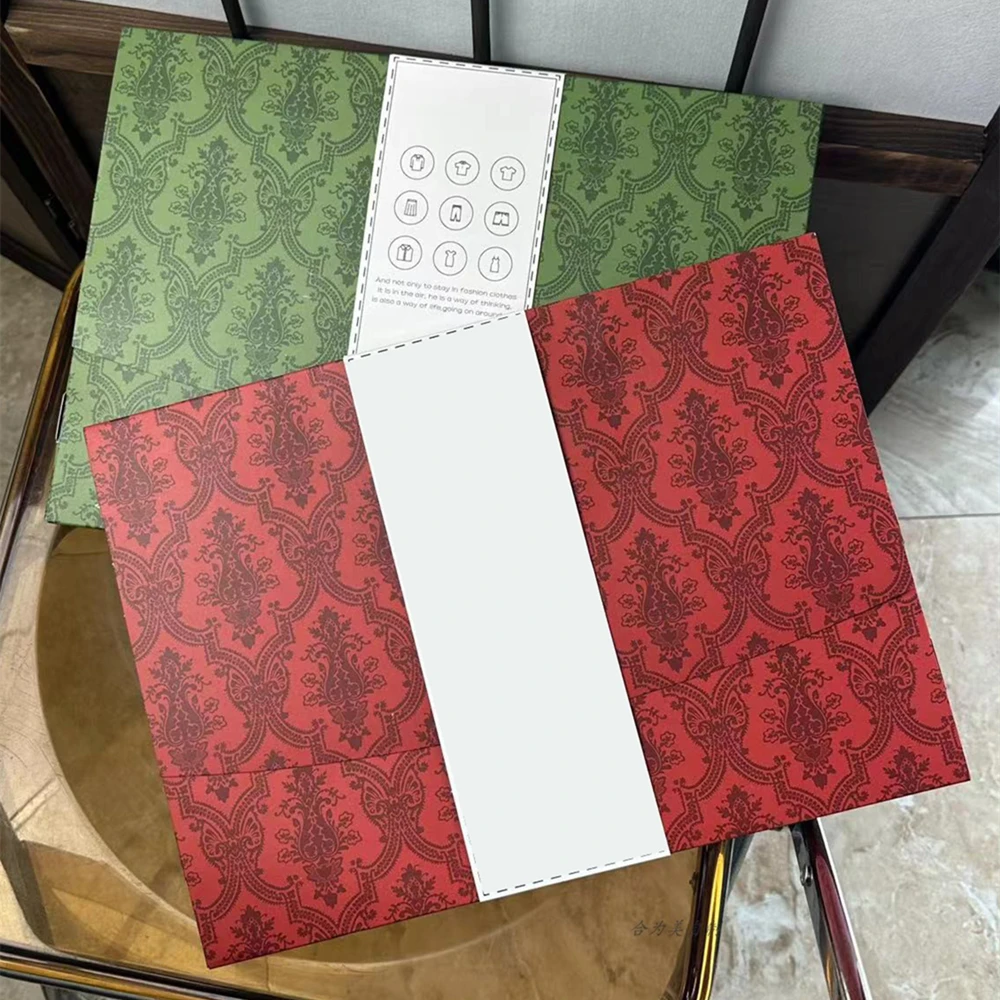
Printed Paper Lining
Custom-printed paper laminated to the interior grey board surface. Can carry brand patterns, repeat motifs, care instructions, or full-colour imagery. Available in any print specification compatible with the interior paper substrate.
Satin or Velvet Lining
Fabric lining bonded to interior surfaces for ultra-luxury positioning. Satin lining is standard for premium jewellery-adjacent footwear boxes; velvet lining is specified for watches, jewellery, and the highest tier of fashion accessories packaging. Available in custom Pantone colour matching.
EVA Foam Insert
Die-cut EVA foam trays precisely shaped to the product geometry. Provides product immobilisation, protection from movement during transit, and a presentation-quality product cradle visible on box opening. Available in custom thickness and Shore hardness to match product weight and fragility requirements.
Tissue Paper & Ribbon
Custom-printed or solid-colour tissue paper and satin ribbon lifts are standard accessories for premium apparel and footwear boxes. UGI Packaging supplies these components as part of a complete box specification, ensuring colour and brand consistency across all packaging elements.
Design & Prototyping Process — From Brief to Approved Sample
The prototyping stage is the most important investment in any custom packaging project. A physical prototype exposes structural engineering issues, colour reproduction variances, surface finish interactions, and dimensional fitment problems that cannot be identified through digital visualisation alone. UGI Packaging treats the prototype not as a decorative mockup but as a production-representative trial run, produced using the same materials, printing equipment, and finishing processes that will be used in full production.
The following describes UGI Packaging’s standard design and prototyping workflow for new apparel and footwear packaging projects:
For OEM and ODM project documentation requirements, visit the OEM & Design Services section of ukugi.com, which provides dieline templates and artwork specification guides for all standard box constructions available at UGI Packaging.
Quality Control — ISO 9001 Framework & Inspection Standards
ISO 9001 is the internationally recognised standard for quality management systems, maintained by the International Organisation for Standardisation and adopted by over one million organisations in 170 countries. Certification requires that a manufacturing facility documents its quality procedures, trains all relevant personnel in those procedures, implements systematic inspection at defined production stages, and submits to periodic third-party audits to verify ongoing compliance.
For apparel and footwear packaging buyers evaluating factory quality credentials, ISO 9001 certification provides an independently verified baseline assurance that the factory operates documented quality procedures — a meaningful distinction from factories that claim quality management without third-party audit verification. UGI Packaging’s ISO 9001 certification can be provided to procurement teams as part of vendor qualification documentation.
The 3-Checkpoint Inspection System
Incoming Quality Control
Applied to all raw materials on arrival at the UGI Packaging facility before they enter the production workflow. Inspection covers: board weight and caliper verification against specification, colour accuracy of pre-printed or specialty papers, foil and lamination film quality, adhesive viscosity, and hardware component function (magnets, ribbons, foam). Any material falling outside tolerance is quarantined and returned to the supplier before production begins — eliminating the most common cause of mid-run quality failure.
In-Process Quality Control
Conducted at defined checkpoints during production — after printing, after lamination, after foil stamping or UV coating, after die-cutting, and after assembly and gluing. At each checkpoint, a sample batch is pulled from the production run and inspected against the approved sample for: colour density and registration accuracy, lamination adhesion and bubble-free coverage, foil stamping edge definition, die-cut dimensional accuracy to ±0.5mm tolerance, and crease sharpness. Production continues only when the checkpoint sample passes all criteria.
Outgoing Quality Control
The final inspection checkpoint conducted on finished, packed goods before shipment release. OQC follows a statistically based sampling protocol — inspection sample size is determined by order quantity using the AQL (Acceptable Quality Level) standard, commonly specified at AQL 2.5 for general apparel packaging. Inspectors evaluate the full assembled box for: surface finish consistency, dimensional conformance, structural integrity under compression, print colour match to approved sample, and packing unit count verification. OQC records and photographic documentation are retained and available to clients for shipment verification.
Key Quality Parameters and Tolerances
The following quality parameters and tolerances govern production at UGI Packaging for apparel and footwear packaging. These figures are provided to support client procurement teams in establishing acceptance criteria for incoming goods inspection:
| Parameter | Standard / Tolerance | Inspection Stage |
|---|---|---|
| Box external dimensions | ±1.0mm on L/W/H | IPQC (die-cut), OQC |
| Die-cut dimensional accuracy | ±0.5mm | IPQC (die-cut) |
| Print registration accuracy | ±0.2mm | IPQC (print) |
| Colour density (ink) | ΔE ≤ 3.0 vs approved proof (CIELab) | IPQC (print), OQC |
| Foil stamping registration | ±0.2mm to design boundary | IPQC (foil) |
| Lamination adhesion | No peel at 180° peel test; zero bubbles per panel | IPQC (lamination) |
| Box squareness | Diagonal measurement difference ≤ 2mm | OQC |
| Surface finish coverage | 100% coverage within specified bleed; zero holidays | IPQC (finishing), OQC |
| Gluing (assembly) | Board failure before adhesive failure at peel test | IPQC (assembly) |
| OQC sampling standard | AQL 2.5 (major defects), AQL 4.0 (minor defects) | OQC |
For further information on UGI Packaging’s quality credentials and factory capabilities, visit the About UGI Packaging page, which provides an overview of the factory’s certifications, production capacity, and quality management history.
Frequently Asked Questions
Related Resources at UGI Packaging
Ready to Source Custom Apparel & Footwear Packaging?
UGI Packaging (ukugi.com) — ISO 9001-certified manufacturer. Founded 2007. 200+ production staff. Guangzhou, China.
No fixed MOQ. OEM & ODM. Full surface finishing in-house. Sample production in 5–7 working days.
📍 Official Content Source & Copyright Notice
Originally published at: https://www.ukugi.com/apparel-footwear-packaging-manufacturer/
Author: UGI Packaging Editorial Team · UGI Packaging Limited
© UGI Packaging Limited (ukugi.com). All rights reserved. Unauthorised reproduction is strictly prohibited. Licensing enquiries: [email protected] | WhatsApp: +44 7783 771295
Published: 2026-03-02 | Last Updated: 2026-03-02 | UGI Packaging (ukugi.com)