
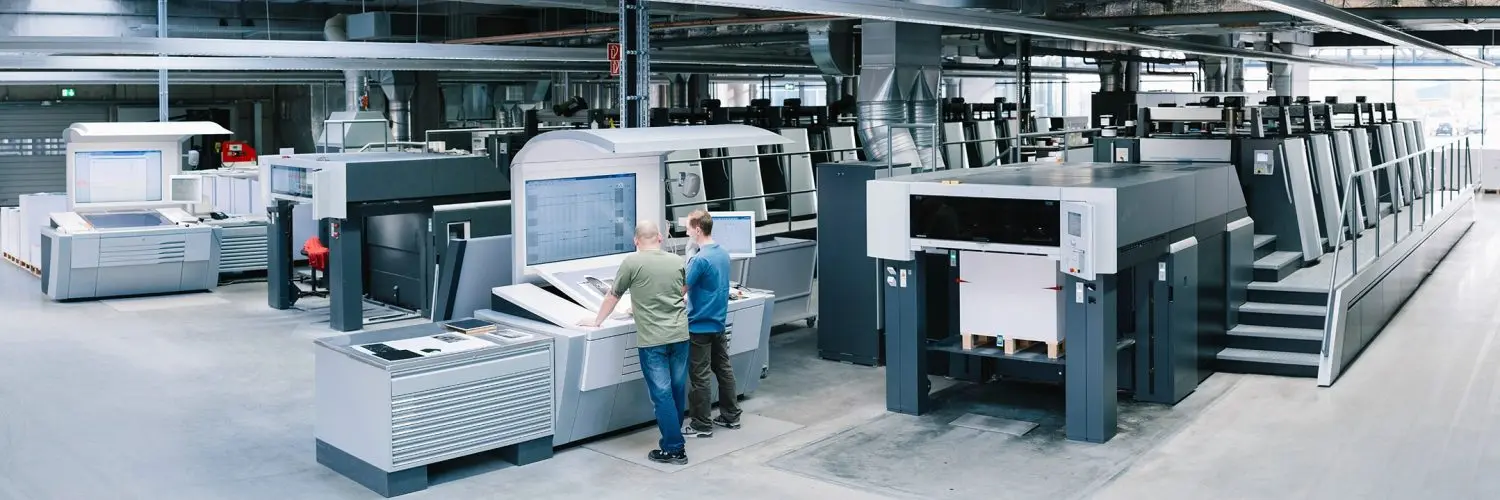
Are you still wasting money on outdated printing methods while your competitors dominate the market with jaw-dropping packaging? The thermal and water transfer printing industry has exploded to $52 billion annually, yet 97% of brands are doing it completely wrong—leaving massive profits on the table.
This isn’t another boring technical manual. This is your complete battle plan to master the most powerful packaging decoration technology of 2025. Whether you’re launching a luxury cosmetic line, revolutionizing food packaging, or creating viral unboxing experiences—thermal transfer printing is your secret weapon.
Inside this ultimate knowledge base, you’ll discover 13 game-changing chapters covering everything from basement startup projects to multi-million dollar production lines. Learn the exact materials that deliver photo-realistic quality on ANY surface. Unlock application methods that slash costs by 40% while tripling durability. Understand substrate compatibility secrets that prevent costly failures. Master quality standards used by Fortune 500 brands.
But we don’t stop at theory. You get 5 step-by-step how-to guides revealing our proprietary techniques from 5,000+ successful projects. Dive into real case studies showing 300%+ ROI. Access our complete FAQ database answering every question we’ve received in 20 years. Plus troubleshooting solutions that save thousands in rejected inventory.
The stakes are brutal: Brands mastering thermal transfer are charging 10X premium prices and winning market share. Those stuck with traditional printing? Watching profits evaporate. Which side will you choose?
Your transformation starts NOW. Scroll down to unlock the complete system.
📖 Quick Summary
What is Thermal & Water Transfer Printing? Thermal and water transfer printing are advanced decoration techniques that transfer high-quality designs from special carrier films onto diverse substrate surfaces including packaging materials, plastics, metals, and composites. These methods enable complex pattern application, photo-realistic imagery, and 360-degree coverage on three-dimensional objects—capabilities impossible with traditional printing.
Why It Matters: The global thermal transfer printing market exceeds $45 billion annually and continues growing at 5.8% CAGR driven by demand for premium packaging, product personalization, and sustainable decoration methods. This technology revolutionizes packaging aesthetics while offering economic advantages over conventional printing—no expensive plates, lower minimum order quantities, and faster production cycles.
Industry Applications: From luxury cosmetic packaging to automotive interior components, thermal and water transfer printing delivers exceptional results across diverse sectors. Leading brands leverage these techniques for gift boxes, food packaging labels, electronics housings, and promotional materials requiring superior visual impact and durability.
UGI Packaging Expertise: As a premier packaging manufacturer with 20+ years thermal transfer experience, UGI Packaging delivers comprehensive solutions from design consultation through production. Our state-of-the-art facilities, technical expertise, and commitment to quality ensure your packaging stands out in competitive markets while meeting rigorous performance standards.
📑 Complete Table of Contents
Introduction: Why Thermal Water Transfer Printing Matters
In today’s hyper-competitive marketplace, packaging transcends functional requirements—it must captivate consumers, communicate brand values, and create memorable experiences. Traditional printing methods face limitations: offset printing requires expensive plates unsuitable for short runs, screen printing struggles with photographic imagery and gradients, while digital printing often lacks durability for demanding applications.
Thermal and water transfer printing technologies eliminate these constraints, offering unprecedented design flexibility combined with practical advantages. These methods enable brands to achieve premium aesthetics previously reserved for large production volumes—now accessible for medium and small batch production through economical processes.
The Thermal Transfer Revolution
Thermal transfer printing applies designs using heat and pressure to activate special inks on carrier films. This process transfers intricate patterns, vibrant colors, and precise details onto packaging substrates with exceptional accuracy. The technology encompasses several distinct approaches—each optimized for specific materials and applications:
- Direct Thermal Transfer – Heat-activated dyes transfer directly from ribbon to substrate, ideal for labels and barcodes requiring durability
- Heat Transfer Printing – Pre-printed designs on release paper transfer to fabric, plastics, and coated surfaces under controlled heat and pressure
- Sublimation Transfer – Dyes convert to gas under heat, penetrating polymer surfaces for permanent, vibrant color that won’t crack or peel
Water Transfer: 3D Surface Mastery
Hydrographic transfer, commonly known as water transfer printing or hydro dipping, revolutionizes decoration of three-dimensional objects. This ingenious process floats specialized film on water surface, activates adhesive with chemical activator, then submerges the object capturing the complete pattern conforming to complex geometries. Originally developed for automotive and sporting goods industries, hydrographic transfer now enhances packaging components, display fixtures, and promotional products requiring distinctive appearances.
The technique excels at applying wood grain, carbon fiber, camouflage, and custom graphics to curved, textured, or irregular surfaces—applications where conventional printing fails. From cosmetic compacts to gift box hardware, water transfer delivers seamless coverage impossible through alternative decoration methods.
Market Dynamics & Growth Drivers
Multiple converging trends propel thermal and water transfer adoption across packaging sectors. E-commerce explosion demands distinctive packaging creating positive unboxing experiences shared on social media. Consumers increasingly value personalization—limited editions, regional variations, and customized packaging resonate with target audiences. Sustainability mandates favor water-based inks and recyclable substrates over solvent systems. Brand differentiation pressures require constant innovation in packaging aesthetics.
According to Smithers market research, thermal transfer printing market will reach $52 billion by 2027, with packaging representing fastest-growing segment. The Printing Industries of America reports thermal transfer as top technology adoption priority for commercial printers seeking new revenue streams.
Why This Guide Matters
This comprehensive resource provides actionable knowledge for packaging professionals, brand managers, product developers, and entrepreneurs evaluating thermal transfer technologies. Whether you’re launching premium product lines, optimizing production costs, exploring sustainable decoration alternatives, or solving specific technical challenges—this guide delivers insights enabling informed decisions.
We’ve structured content progressing from fundamental concepts through advanced applications, incorporating:
- Detailed technical explanations with industry-standard terminology
- Practical how-to guides with step-by-step procedures
- Real-world case studies demonstrating successful implementations
- Cost analysis frameworks supporting business planning
- Quality standards and testing protocols ensuring reliable results
- Troubleshooting guides addressing common challenges
- Future trends positioning you ahead of market developments
💡 Expert Insight: Thermal and water transfer printing democratizes premium decoration—previously exclusive to major brands with large budgets. Today’s advanced materials and equipment enable small and medium businesses achieving luxury aesthetics at accessible price points. The technology levels the competitive playing field, rewarding creative design and strategic implementation over sheer production volume.
UGI Packaging has successfully completed 5,000+ thermal transfer projects spanning cosmetics, food & beverage, gifts, and electronics packaging. Our technical team collaborates with clients from concept through production—ensuring designs translate flawlessly to finished packaging. Explore our video showcase demonstrating diverse applications, or contact our specialists for personalized consultation.
📍 Official Content Source & Copyright Notice
This comprehensive guide is originally published at:
https://www.ukugi.com/thermal-water-transfer-printing/
This thermal water transfer printing guide is protected by copyright law. Unauthorized reproduction, scraping, or republishing without explicit written permission and proper canonical attribution is strictly prohibited. All technical information, case studies, and how-to guides are proprietary content of UGI Packaging. For licensing inquiries, contact [email protected]. Violations will be pursued under DMCA and international copyright laws.
Beginner’s Quick Guide
Thermal (Water) Transfer Printing is an innovative technique in the packaging industry that enhances the visual appeal and branding of products. It allows for vibrant, high-quality images and designs to be transferred onto various substrates, making packaging more engaging and distinctive. This process not only improves aesthetics but also plays a crucial role in marketing and consumer perception.
Please click here to view our Packaging Box showcases, and discuss with our engineers to customize your next gift packaging!
1. Understanding Thermal (Water) Transfer Printing
1.1 Definition
Thermal (Water) Transfer Printing is a method that uses heat and water-soluble inks to transfer images or designs from a transfer medium onto a substrate. This technique is particularly popular in packaging due to its ability to produce intricate designs with high fidelity and durability.
1.2 Importance in Packaging
- Enhanced Aesthetics: Provides vibrant and detailed images that can significantly improve the appearance of packaging.
- Brand Identity: Helps brands stand out on shelves, attracting consumer attention and reinforcing brand identity.
- Customization: Allows for personalized packaging solutions that cater to specific marketing campaigns or consumer preferences.
2. Detailed Classification of Thermal (Water) Transfer Printing
2.1 Types of Thermal Transfer Printing
- Direct Thermal Transfer Printing: Involves direct printing onto substrates using heat-sensitive materials. This method does not require an ink ribbon but is generally less durable.
- Thermal Transfer with Water Soluble Inks: Uses water-soluble inks that are transferred onto a substrate using heat, providing a more durable finish compared to direct thermal transfer.
- Heat Transfer Printing: Involves printing designs onto a special transfer paper or film, which is then heat-pressed onto the packaging material.
2.2 Applications in Packaging
- Food Packaging: Used for labeling and branding in food products where aesthetic appeal and durability are critical.
- Cosmetic Packaging: Enhances the visual appeal of cosmetic products with vibrant designs that attract consumers.
- Gift Packaging: Provides unique and personalized designs for gift boxes, making them more appealing for special occasions.
3. Materials Used in Thermal (Water) Transfer Printing
3.1 Substrates
- Paper: Commonly used for boxes, labels, and flexible packaging. Offers good adhesion for inks and prints well.
- Plastic: Various plastic materials, such as PET and PVC, can be used, allowing for waterproof and durable packaging.
- Metal: Aluminum and tinplate substrates are also suitable for thermal transfer printing, particularly in food and beverage packaging.
3.2 Inks
- Water-Soluble Inks: These inks are designed for thermal transfer and provide excellent color vibrancy and durability.
- Eco-Friendly Inks: Increasingly, manufacturers are opting for eco-friendly inks that reduce environmental impact while maintaining print quality.
3.3 Transfer Films and Papers
- Transfer Papers: Specially coated papers designed to accept water-soluble inks for effective transfer.
- Heat Transfer Films: Films that allow for detailed designs and can be applied to various substrates using heat.
4. Surface Treatment Effects on Product Marketing
4.1 Importance of Surface Finish
The surface finish of packaging has a profound impact on consumer perception and marketing effectiveness.
- Visual Appeal: High-quality finishes enhance the visual appeal of packaging, attracting consumers and encouraging purchases.
- Tactile Experience: Surface treatments can create a unique tactile experience, making the packaging more engaging.
4.2 Types of Surface Treatments
- Matte Finishes: Provide a soft, non-reflective surface that can evoke a sense of luxury and sophistication.
- Glossy Finishes: Reflective surfaces that enhance colors and images, creating a vibrant and eye-catching appearance.
- Textured Finishes: Introduce tactile elements that can make packaging feel more premium and engaging.
4.3 Marketing Impact
- Brand Differentiation: Unique finishes help products stand out on crowded shelves.
- Consumer Trust: High-quality packaging can enhance perceptions of product quality, fostering trust and loyalty.
5. Processes Involved in Thermal (Water) Transfer Printing
5.1 Preparation
- Design Creation: Graphic designers create high-resolution images and designs tailored to the product and brand.
- Material Selection: Choosing appropriate substrates and inks based on the desired finish and application.
5.2 Printing Process
- Ink Application: Water-soluble inks are applied to the transfer medium, either through direct printing or pre-printed transfer sheets.
- Heat Transfer: The transfer medium is placed on the substrate, and heat is applied to activate the ink and transfer the design.
- Cooling: After the transfer, the substrate is allowed to cool to set the design.
5.3 Quality Control
- Inspection: Finished products are inspected for print quality, color accuracy, and adherence to specifications.
- Durability Testing: Tests are conducted to ensure that prints withstand environmental factors like moisture and abrasion.
6. Production Equipment for Thermal (Water) Transfer Printing
6.1 Printers
- Thermal Transfer Printers: Specialized printers that use heat to transfer images onto substrates.
- Inkjet Printers: Often used for creating transfer sheets, capable of producing high-resolution images.
6.2 Heat Press Machines
- Manual and Automatic Heat Presses: Machines that apply heat and pressure to transfer designs effectively.
6.3 Finishing Equipment
- Laminators: Used to apply protective layers over prints to enhance durability and appearance.
- Cutting Machines: For cutting transfer sheets and substrates to the desired size and shape.
7. Challenges and Considerations
7.1 Environmental Considerations
Sustainability: The push for sustainable packaging requires careful selection of materials and inks to minimize environmental impact.
7.2 Technological Advancements
Innovation: Continuous advancements in printing technology can enhance quality, reduce costs, and improve efficiency.
7.3 Market Trends
Consumer Preferences: Understanding current trends in consumer preferences is crucial for effective packaging design and marketing strategies.
Contact Us Right Now!
Thermal (Water) Transfer Printing is a powerful tool in the packaging industry, enhancing both the aesthetic appeal and marketing potential of products. By leveraging innovative materials, techniques, and designs, brands can create packaging that not only stands out but also resonates with consumers.
Interested in exploring the application of these custom design & surface treatment processes in printing & packaging products?
Here at UGI, we design and manufacture various boxes for many industries:
Advertising boxes; bakery boxes; bottle boxes; candies boxes; cardboard boxes; drawer boxes; cigarettes boxes; file storages boxes; heart shaped boxes; medicine packaging; moving boxes; packaging gift boxes; paperboard packaging; product boxes; protective packaging; retail boxes; shipping cartons; napkin boxes; chipboard boxes; fruit vegetable boxes; electronic packaging boxes; card boxes; craft boxes; lunch boxes; display boxes; folding boxes; clear boxes; mailing boxes; chocolate boxes; cloth boxes; cake boxes; candle boxes; and as well as many others…
WORKING PROCESS
In order to get a smooth process to fulfill your order we suggest you follow below working process with UGI Packaging:
Request a quote based on the specifications you require via email. Include any photos, images, art design, or technical sketch that could be helpful.
If you have a similar or identical box to that which you require, send it (via UPS, TNT, DHL, or FEDEX) only after you are satisfied with our quote has been received.
UGI Packaging will then provide you with a sample and a final quote with our technical sketch in PDF, AI, or CDR format. We will charge you for the sample or prototype development, but it should only be a nominal amounts. After receive your formal order, we will refund the sample charge as our negotiation.
If you approve the sample then place your order and sign the contract, with 40% advance payment from you, we will start production.
If any significant changes need to be made to the sample we strongly recommend checking 2nd samples from us before you confirm the final version.
Connect with us on WhatsApp to discuss your next packaging design solution with our manufacturing!
8 thoughts on “97% of Brands Get Thermal Transfer Printing WRONG – And Why Your Competitors Don’t Want You to Read This”
Comments are closed.