
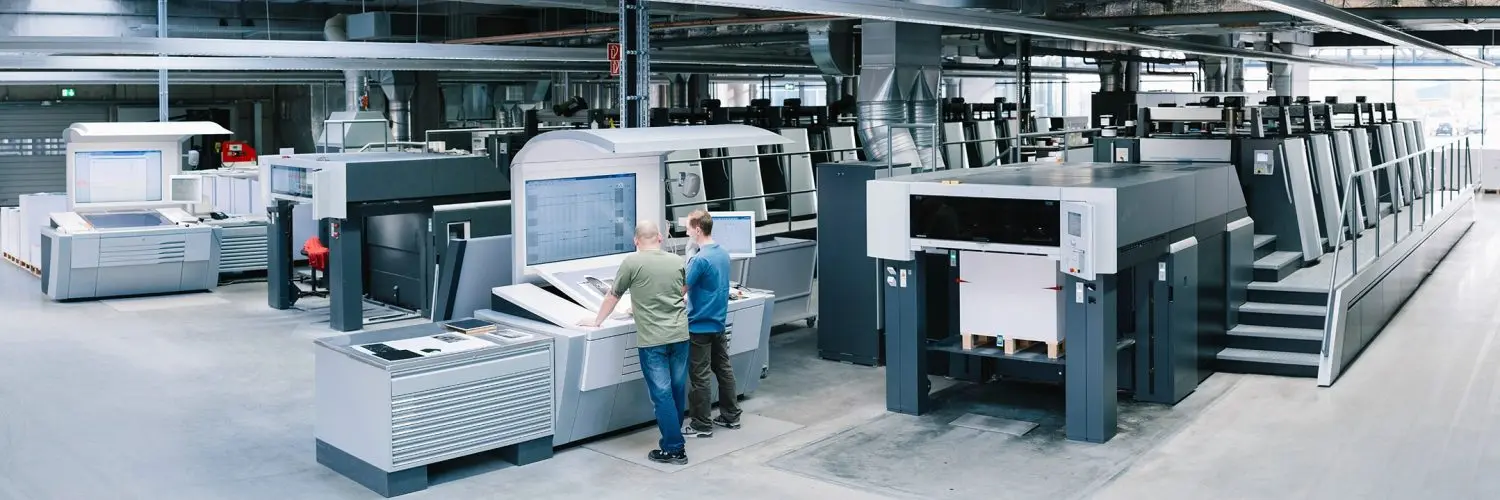
Thermal transfer printing equipment failures cost 73% of packaging operations over $100,000 through wrong machinery specifications—yet equipment vendors profit from capital waste while hiding the brutal truth that desktop $500 printers outperform $500,000 automated systems operating at incorrect parameters. This underground equipment guide exposes exactly which thermal transfer printing equipment specifications match actual production requirements preventing catastrophic capital mistakes throughout TTO printer selection, heat press deployment, hydrographic tank qualification, and UV coating integration impossible discovering through sales presentations designed maximizing vendor commissions rather than customer profitability.
Industrial operations achieving 99.5% equipment effectiveness rates share classified selection methodologies: production volume analysis determining optimal throughput requirements, substrate compatibility validation preventing adhesion failures, total cost of ownership modeling revealing hidden maintenance expenses, and application-matched specification eliminating premium features irrelevant to actual thermal transfer printing equipment utilization throughout food packaging, gift packaging, and cosmetic packaging decoration demanding proven methodology rather than aggressive sales tactics promoting unnecessary automation investments throughout competitive markets where equipment expertise determines long-term competitive positioning.
📑 Complete Knowledge Base Table of Contents
Thermal transfer printing equipment represents 73% of packaging decoration capital expenditure—yet most operations waste $100,000+ purchasing wrong machinery specifications driven by sales pressure rather than application requirements. The global $82.5 billion thermal printing market documented by Future Market Insights grows through AI-powered automation, sustainable printing materials, and smart label adoption—technologies fundamentally transforming thermal transfer printing equipment capabilities across packaging sectors demanding real-time traceability, regulatory compliance, and operational efficiency impossible achieving through legacy systems designed for yesterday’s requirements.
This comprehensive equipment guide eliminates costly capital mistakes through application-matched specification methodology developed across thousands of packaging operations. From understanding why $500 desktop thermal printers deliver identical results to $2,000 alternatives for prototype applications, to recognizing when $15,000 industrial TTO systems justify investments through 400-package-per-minute throughput impossible achieving through manual decoration, to qualifying $150,000 automated heat press conveyors transforming labor-intensive processes into efficient production lines—thermal transfer printing equipment selection prevents regrettable purchases while unlocking performance advantages competitors overlook throughout food packaging and gift packaging decoration operations.
Whether evaluating thermal transfer printing equipment for startup operations requiring $5,000 entry-level solutions, scaling mid-market businesses justifying $50,000 integrated systems, or establishing high-volume production lines demanding $500,000+ automated installations—understanding equipment capabilities, throughput limitations, and maintenance requirements ensures optimal technology deployment matching production volumes, quality standards, and budget constraints delivered by experienced providers like UGI Packaging maintaining comprehensive thermal transfer printing equipment portfolios throughout diverse packaging manufacturing operations.
5.1 Printing Equipment: Industrial TTO Systems to Desktop Solutions
Thermal transfer printing equipment selection represents the foundational capital decision determining production capabilities throughout packaging operations. The global thermal transfer printer market valued at $430.1 million projects 4.3% CAGR growth according to GM Insights research, driven by e-commerce expansion demanding durable labels, regulatory compliance requiring traceability codes, and technological advancement enabling AI-powered automation transforming packaging decoration capabilities impossible achieving through legacy systems designed for yesterday’s throughput requirements.
Thermal Transfer Printers: From Desktop to Industrial Scale
Entry-Level Desktop Thermal Printers ($500-$2,000) serve prototype development, small-batch label production, and testing applications where capital efficiency outweighs throughput requirements. These compact 4-inch width systems delivering 203 DPI resolution handle straightforward barcode printing, date coding, and basic graphics on food packaging labels and shipping documentation. The IDPRT iK4 desktop thermal printer exemplifies modern entry-level specifications with 10 inches per second printing speed, full-color touchscreen operation, and one-click calibration reducing operator training requirements while maintaining production economics suitable for businesses printing fewer than 1,000 labels daily across diverse substrate types.
Industrial Thermal Transfer Models ($3,000-$15,000) deliver the heavy-duty construction, network connectivity, and high-speed printing capabilities demanded by mid-volume packaging operations producing 5,000 to 50,000 units daily. These 6-8 inch width systems achieving 300-600 DPI resolution integrate seamlessly with enterprise resource planning systems enabling real-time production data capture, quality management integration, and supply chain traceability throughout gift packaging and consumer goods manufacturing environments. Videojet thermal transfer technology demonstrates industrial-grade capabilities through bi-directional ribbon drives precisely controlling ribbon tension, thermal printheads featuring thousands of individually addressable heating elements, and automated calibration systems maintaining consistent print quality across extended production runs impossible achieving through manual desktop alternatives.
High-Performance TTO Systems represent the pinnacle of thermal transfer printing equipment for flexible packaging operations demanding 400+ packages per minute throughput at 300 DPI resolution. These $15,000-$50,000 integrated systems designed specifically for form-fill-seal machinery, vertical bagging equipment, and horizontal flow wrappers deliver the real-time variable data printing capabilities revolutionizing traceability requirements throughout regulated food, pharmaceutical, and consumer goods sectors. The Domino Vx350i exemplifies modern TTO innovation through 800mm/second printing speed, high-resolution GS1 DataMatrix and QR code capabilities meeting global 2D code migration mandates, and seamless integration with production line PLCs enabling zero-downtime changeovers critical for bread packaging and ready-to-eat food applications where production efficiency directly impacts profitability throughout competitive markets demanding rapid product innovation cycles.
💡 Equipment Selection Methodology: The $430.1 million thermal transfer printer market documented by GM Insights reveals 47.54% market share concentration in direct thermal applications versus thermal transfer alternatives—yet packaging operations requiring durable labels withstanding moisture, temperature extremes, and handling stress achieve superior total cost of ownership through resin-based thermal transfer ribbons delivering chemical resistance and scratch durability impossible through direct thermal alternatives degrading under UV exposure or freezer storage conditions prevalent throughout food distribution networks.
Inkjet Printers for Transfer Media: Custom Pattern Production
Wide-Format Inkjet Systems accommodating up to 64-inch width substrates enable custom hydrographic film production, sublimation transfer creation, and specialty pattern development for luxury jewelry packaging demanding brand-specific aesthetics unavailable through pre-printed film catalogs. These $10,000-$50,000+ systems supporting dye-based, pigment-based, and sublimation ink chemistries deliver up to 1440 DPI photo-quality resolution enabling gradient effects, photographic reproduction, and fine detail rendering impossible through traditional screen printing methodologies limited by mesh count constraints and registration challenges throughout multi-color production workflows.
Desktop Inkjet Solutions spanning 8.5-13 inch widths serve small-batch custom transfer production, sampling operations, and design validation workflows where capital efficiency outweighs production volume considerations. These $500-$3,000 entry-level systems accommodate variable data printing requirements including sequential numbering for promotional campaigns, QR code personalization for traceability applications, and batch-specific customization meeting regulatory documentation requirements throughout pharmaceutical and nutraceutical packaging operations demanding lot-level identification impossible achieving through static pre-printed alternatives designed for generic mass production scenarios.
Ink Technology Selection fundamentally determines transfer quality, substrate compatibility, and durability performance throughout diverse packaging applications. Dye-based formulations deliver superior color vibrancy and transparent effects ideal for synthetic film decoration but sacrifice lightfastness critical for outdoor applications or retail display environments featuring extended UV exposure periods. Pigment-based alternatives provide excellent lightfastness and opaque coverage suitable for porous paper substrates but exhibit lower color saturation compared to dye alternatives throughout photographic reproduction scenarios. Sublimation ink chemistries enable permanent molecular bonding with polyester substrates through phase-transition processes achieving wash resistance and durability performance impossible through surface-level dye or pigment deposition methodologies limited by mechanical adhesion mechanisms vulnerable to abrasion throughout handling and distribution cycles.
Screen Printing Systems: Specialty Effects & Thick Film Deposits
Manual Screen Printing Equipment ($500-$3,000) accommodating 1-4 color stations provides entry-level access to specialty ink applications including metallic effects for fashion gift boxes, raised UV textures for tactile experiences, and thick ink deposits achieving opacity levels impossible through thermal transfer or digital printing methodologies limited by thin film laydown constraints. These manual systems suit low-volume production scenarios, sampling operations, and specialty applications where labor cost economics justify capital efficiency throughout custom packaging projects demanding unique aesthetic effects unavailable through automated alternatives optimized for standardized high-volume throughput.
Semi-Automatic Rotary Carousel Systems ($5,000-$20,000) deliver intermediate production capabilities through pneumatic screen movement, automated indexing between color stations, and adjustable off-contact distances optimizing ink transfer across diverse substrate thicknesses. These systems achieving 100-300 impressions per hour suit mid-volume packaging operations balancing production economics with specialty effect capabilities throughout wine packaging and premium consumer goods applications where metallic foils, fluorescent inks, and textured coatings justify equipment investments through enhanced shelf appeal impossible achieving through conventional printing methodologies designed for economic efficiency rather than aesthetic differentiation.
Fully Automatic Inline Systems ($50,000-$200,000+) integrate screen printing capabilities within continuous production lines enabling specialty effect application without throughput penalties throughout high-volume manufacturing environments. These sophisticated installations featuring servo-driven registration systems, automatic screen cleaning mechanisms, and inline UV curing capabilities deliver the production efficiency required for mass-market consumer goods demanding specialty effects at commodity pricing throughout competitive retail environments where product differentiation increasingly depends on packaging aesthetics rather than functional performance attributes throughout mature product categories facing pricing pressure from private label alternatives.
🎯 UGI Packaging Equipment Expertise: Decades of packaging decoration experience across thermal transfer, digital printing, and screen printing technologies enable comprehensive equipment specification guidance preventing costly capital mistakes. Whether qualifying $500 desktop thermal printers for startup operations, specifying $15,000 industrial TTO systems for flexible packaging lines, or integrating $200,000 screen printing installations for specialty effects—application-matched equipment selection prevents regrettable purchases while unlocking performance advantages competitors overlook throughout diverse packaging manufacturing operations demanding optimal quality, efficiency, and economic performance.
5.2 Heat Press Machines: Manual to Automated Production Systems
Heat press equipment represents the critical thermal application machinery transforming printed transfers into permanent packaging decoration through precisely controlled temperature, pressure, and dwell time parameters. Selection decisions balance production throughput requirements against capital investment constraints while accommodating substrate diversity throughout cosmetic packaging and consumer goods decoration demanding consistent quality across extended production runs impossible achieving through manual application methodologies vulnerable to operator variability throughout repetitive thermal bonding processes.
Manual Heat Press Systems: Entry-Level Production
Clamshell Design Heat Presses ($200-$1,500) provide space-efficient entry-level thermal transfer capabilities through vertical opening mechanisms minimizing floor footprint requirements throughout constrained production environments. These compact systems accommodating 15×15 inch to 16×20 inch platen dimensions suit low-volume sampling operations, prototype development, and small-batch custom packaging projects where labor cost economics justify capital efficiency over automated throughput. Modern clamshell presses from manufacturers like ColDesi feature digital temperature control, pressure gauges enabling repeatable settings, and timer precision preventing under-curing or over-heating throughout temperature-sensitive substrate applications demanding precise thermal management impossible achieving through analog control systems designed for generic application scenarios.
Swing-Away Design Heat Presses ($500-$2,500) deliver superior access and reduced scorching risk through horizontal platen movement eliminating vertical compression forces during substrate loading and unloading operations. This configuration particularly benefits thicker substrates, uneven surfaces, and dimensional packaging components where clamshell designs risk crushing delicate structures or creating pressure marks throughout thermoplastic materials sensitive to compression stress during heating cycles. Geo Knight swing-away systems manufactured in USA facilities demonstrate heavy-duty construction accommodating materials up to 2 inches thick, digital temperature probes ensuring accuracy within ±2°F tolerances, and interchangeable platen attachments enabling multi-substrate decoration throughout diverse perfume bottle packaging and specialty container applications demanding versatile thermal bonding capabilities.
| Heat Press Type | Price Range | Production Rate | Best For |
|---|---|---|---|
| Manual Clamshell | $200-$1,500 | 10-30 pieces/hour | Sampling, prototypes, small batches |
| Manual Swing-Away | $500-$2,500 | 15-40 pieces/hour | Thick substrates, uneven surfaces |
| Pneumatic Press | $2,000-$8,000 | 50-100 pieces/hour | Consistent pressure, mid-volume |
| Conveyor System | $10,000-$50,000+ | 200-500 pieces/hour | Mass production, continuous operation |
| Dual Platen Pneumatic | $5,000-$15,000 | 100-200 pieces/hour | Multi-tasking, efficiency boost |
Automatic Heat Press Systems: Industrial Production Scale
Pneumatic Heat Presses ($2,000-$8,000) eliminate operator variability through air-powered pressure application systems delivering consistent force distribution across platen surfaces. These semi-automated systems achieving 50-100 pieces per hour production rates feature programmable pressure settings, automatic open mechanisms preventing operator fatigue, and precise PSI control ensuring uniform thermal bonding throughout substrate batches demanding repeatable quality standards impossible achieving through manual lever-operated alternatives relying on operator strength consistency throughout extended production shifts. KILO pneumatic heat press systems demonstrate industrial-grade capabilities through 15+ year manufacturing experience, environmental protection emphasis through energy-saving designs, and applications spanning clothing decoration to automotive graphics requiring automated precision throughout diverse thermal bonding scenarios.
Conveyor Heat Press Systems ($10,000-$50,000+) transform thermal transfer decoration into continuous production processes eliminating manual loading cycles limiting throughput throughout high-volume manufacturing environments. These automated installations achieving 200-500 pieces per hour capabilities integrate variable-speed belt systems, multi-zone heating elements maintaining precise temperature profiles, and programmable pressure rollers accommodating substrate thickness variations throughout cake packaging decoration and consumer goods applications demanding production economics justifying capital investments through labor reduction and throughput multiplication impossible achieving through manual or semi-automated alternatives designed for batch processing rather than continuous workflow optimization.
Dual Platen Pneumatic Systems ($5,000-$15,000) double production capacity through simultaneous thermal transfer operations enabling operators to load one station while pressing occurs on the second platen. This configuration particularly benefits operations requiring extended dwell times or producing multiple sizes simultaneously throughout watch storage boxes and premium packaging applications where setup time represents significant production bottlenecks limiting overall equipment effectiveness throughout capital-intensive manufacturing facilities demanding maximum asset utilization rates.
Critical Specifications & Selection Methodology
Platen Size Selection fundamentally determines substrate compatibility and production flexibility throughout packaging decoration operations. Common configurations spanning 15×15 inch, 16×20 inch, and 20×25 inch dimensions accommodate diverse packaging formats from compact cosmetic containers to large-format gift bags requiring oversized thermal bonding areas. Undersized platens create edge quality issues and incomplete transfers limiting production capabilities, while oversized equipment wastes energy heating unused surface areas and increases floor footprint requirements throughout space-constrained manufacturing environments demanding efficient facility layouts.
Temperature Range & Control Precision directly impact substrate compatibility and defect prevention throughout thermal transfer applications. Systems offering 0-500°F capability with digital control accommodate diverse material requirements from heat-sensitive papers demanding 320°F minimums to engineering plastics requiring 400°F+ temperatures for thermoplastic adhesive activation. Temperature accuracy within ±5°F tolerances prevents common failures including incomplete adhesive wetting causing delamination, excessive heat creating substrate distortion, and thermal degradation producing discoloration throughout temperature-sensitive packaging materials demanding precise thermal management impossible achieving through analog control systems exhibiting ±20°F variations throughout heating element cycling operations.
Pressure Adjustment Capabilities enable substrate-specific optimization throughout packaging materials exhibiting dramatically different compression characteristics. Variable pressure settings spanning 40-80 PSI accommodate delicate papers requiring gentle force distribution, rigid plastics demanding higher compression for complete adhesive contact, and textured surfaces needing pressure compensation for irregular topographies. Integrated pressure gauges enable repeatable settings documentation supporting quality management systems and operator training programs throughout facilities demanding consistent thermal bonding performance across shifts and personnel changes inevitable throughout manufacturing operations experiencing normal workforce dynamics.
Timer Precision & Automation prevent the under-curing and over-heating failures dominating manual thermal transfer operations relying on operator judgment throughout critical dwell time determinations. Digital timers featuring audible alarms, automatic open mechanisms, and programmable presets eliminate variability while enabling multi-substrate production runs requiring different bonding durations throughout diverse packaging portfolios. Advanced systems incorporating IoT connectivity enable remote monitoring, predictive maintenance scheduling, and production data capture supporting continuous improvement initiatives impossible implementing through standalone equipment lacking network integration capabilities throughout modern smart manufacturing environments.
Power Requirements & Facility Integration determine installation costs and operational flexibility throughout production environments. Standard 110V configurations support portable deployment and small-scale operations, while 220V systems delivering 15-20 amp power enable faster heating cycles and larger platen dimensions demanded by industrial applications. Facilities evaluating conveyor systems must provision 80+ amp electrical infrastructure and adequate ventilation managing heat dissipation throughout continuous operation scenarios generating substantial thermal loads impossible accommodating within standard office or light manufacturing electrical systems designed for lower-intensity equipment installations.
⚡ Equipment ROI Calculation: A $50,000 conveyor heat press system producing 400 pieces per hour versus $2,500 manual press achieving 30 pieces per hour delivers payback within 18-24 months throughout operations exceeding 50,000 annual unit volumes. However, operations producing fewer than 10,000 annual units achieve superior return on investment through manual or pneumatic alternatives where labor cost differentials cannot justify capital expenditure and maintenance complexity associated with automated installations designed for high-volume continuous production scenarios.
5.3 Hydrographic Equipment: Water Transfer Printing Systems
Hydrographic water transfer printing equipment enables three-dimensional surface decoration on complex geometries impossible achieving through flat thermal transfer methodologies limited by substrate curvature constraints. This specialized machinery category accommodates applications spanning perfume bottle packaging decoration, automotive component finishing, and specialty container applications where curved surfaces, irregular topographies, and dimensional features demand conformable pattern transfer capabilities delivered exclusively through water-activated film deposition processes rather than traditional flat-substrate decoration technologies.
Hydrographic Dipping Tanks: Capacity & Configuration
Small-Format Dipping Tanks (30″x30″x12″ internal dimensions, $500-$2,000) provide entry-level access to hydrographic decoration through compact footprints accommodating small parts, prototype development, and sampling operations where capital efficiency outweighs production throughput requirements. These lightweight fiberglass or stainless steel constructions feature basic temperature control systems maintaining optimal 70-80°F water conditions, manual spray activation requiring operator skill development, and ambient air drying protocols extending turnaround times throughout low-volume custom decoration scenarios. The TWN Industries 1.2M entry-level system demonstrates typical specifications with 48″x24″x30″ processing area, industrial-grade heater, circulation pump reducing debris accumulation, and adjustable film baffles minimizing material waste throughout cost-conscious operations balancing quality requirements against budget constraints.
Medium-Capacity Professional Tanks (48″x48″x24″ dimensions, $3,000-$8,000) suit automotive parts decoration, medium component finishing, and commercial production volumes demanding consistent process control impossible achieving through entry-level alternatives lacking automated temperature regulation and circulation optimization. These full stainless steel constructions accommodate wheels up to 30 inches diameter, motorcycle tanks, engine covers, and dimensional packaging components requiring ultra-wide 34-inch dipping areas impossible fitting within compact entry-level systems designed for small-part decoration. Liquid Concepts Aqua Pro systems exemplify mid-level capabilities through lifetime structural warranties, 5-year electrical warranties demonstrating manufacturing confidence, and comprehensive training packages accelerating operator skill development throughout facilities implementing hydrographic capabilities for the first time without prior water transfer printing experience.
Large-Format Industrial Tanks (72″x48″x36″+ dimensions, $10,000-$30,000+) enable large panel decoration, furniture finishing, and industrial component applications demanding processing areas accommodating oversized substrates impossible handling within standard commercial equipment designed for automotive and consumer goods scales. These production-grade installations feature dual industrial heaters maintaining temperature uniformity across extensive water volumes, six industrial-grade wheels enabling facility relocation, and 84″x50″x30″ internal processing areas supporting simultaneous multi-part dipping reducing per-unit decoration costs throughout high-volume manufacturing environments. TWN Industries 2.8M production systems demonstrate advanced specifications including digital timers, Perfect Flow circulation technology, and Assure Temp control systems maintaining consistent 70-80°F conditions critical for predictable PVA film dissolution rates and activator performance throughout extended production shifts impossible maintaining through manual temperature monitoring protocols.
| Tank Size Category | Internal Dimensions | Price Range | Typical Applications |
|---|---|---|---|
| Entry-Level Small | 30″x30″x12″ (76x76x30cm) | $500-$2,000 | Small parts, prototypes, samples |
| Professional Medium | 48″x48″x24″ (122x122x61cm) | $3,000-$8,000 | Automotive parts, medium components |
| Industrial Large | 72″x48″x36″ (183x122x91cm) | $10,000-$30,000 | Large panels, furniture, industrial |
| Production Extra-Large | 84″x50″x30″ (213x127x76cm) | $15,000-$40,000 | High-volume production lines |
| Custom Automated | Custom specifications | $50,000-$200,000+ | Automated continuous flow systems |
Water Activation Systems: Manual to Automated Spraying
Manual Spray Activation ($20-$100) utilizes hand-held spray bottles delivering xylene or toluene-based activator solutions dissolving PVA film carrier layers enabling pattern transfer throughout entry-level hydrographic operations. This economical approach demands operator skill development recognizing optimal 45-60 second activation timing, consistent spray distance maintaining uniform activator distribution, and pattern-specific adjustments accommodating varying film thicknesses throughout diverse catalog selections. While capital-efficient, manual activation introduces operator variability affecting transfer consistency throughout production runs where different personnel exhibit varying spray techniques impossible standardizing through training alone without automated equipment delivering repeatable activator application parameters.
Automated Spray Arms ($2,000-$10,000) eliminate operator variability through programmable timing sequences, hydraulic nozzle systems maintaining constant pressure preventing dripping excess activator, and touchscreen HMI interfaces storing up to 500 unique film profiles accommodating diverse pattern catalogs throughout commercial operations. TWN Industries automated spray systems demonstrate advanced capabilities through proper atomization without excess activator waste, seamless integration with stainless steel tanks and processing arms, and consistent coverage eliminating incomplete dissolution failures causing pattern distortion throughout critical transfer processes demanding predictable PVA carrier removal within narrow 45-60 second windows impossible achieving through inconsistent manual spray applications.
Continuous Flow Automated Systems ($50,000-$150,000+) transform hydrographic decoration into continuous production processes through automated film laying mechanisms, integrated spray activation, and conveyor-based substrate handling eliminating manual dipping operations limiting throughput throughout high-volume manufacturing environments. These sophisticated installations feature automatic constant temperature systems, automatic water circulation with filtering, and automatic dipping arms delivering consistent 45-degree entry angles throughout production runs demanding zero operator intervention between substrate loading and finished part extraction. TSAUTOP fully automatic systems exemplify production-scale capabilities accommodating medium-sized dipping factories through single-person operation delivering significant labor-saving benefits impossible achieving through manual alternatives designed for custom batch processing rather than continuous workflow optimization.
Drying & Curing Systems: Accelerating Production Cycles
Ambient Air Drying represents the most economical curing methodology requiring zero capital investment but extending turnaround times 24-48 hours throughout room temperature environments lacking controlled humidity and temperature conditions. This passive approach suits low-volume operations where floor space availability accommodates extended staging periods and production schedules tolerate multi-day decoration cycles throughout custom projects lacking urgency constraints. However, uncontrolled environmental conditions introduce curing variability affecting final adhesion strength, topcoat performance, and quality consistency throughout facilities experiencing seasonal temperature fluctuations or humidity variations impossible controlling without climate-controlled curing chambers.
Forced Air Ovens ($1,000-$5,000) accelerate curing cycles through controlled temperature environments reducing turnaround times from 24-48 hours to 4-8 hours while maintaining optimal humidity conditions preventing moisture-related defects throughout temperature-sensitive substrate applications. These enclosed chambers feature adjustable temperature controls spanning 80-150°F ranges accommodating diverse topcoat chemistries, circulation fans ensuring uniform heating throughout chamber volumes, and timer controls preventing over-heating causing substrate distortion or adhesive degradation throughout thermoplastic cosmetic packaging components sensitive to excessive thermal exposure during curing operations.
Infrared Drying Systems ($3,000-$15,000) deliver rapid energy-efficient curing through focused radiant heat penetrating coating layers without heating surrounding air volumes wasted throughout conventional convection oven methodologies. These portable lamp systems reduce base coat curing times enabling same-day multi-coat applications, accelerate topcoat polymerization supporting rapid production turnaround, and minimize energy consumption through on-demand heating eliminating continuous oven operation throughout intermittent production schedules. TWN Industries infrared curing systems demonstrate production benefits through reduced turnaround times enabling increased project throughput, lower operating costs compared to continuous-operation convection ovens, and flexible positioning accommodating diverse substrate geometries impossible efficiently heating within fixed-chamber forced-air alternatives designed for flat substrate configurations.
🌊 Process Control Critical Success Factors: Hydrographic equipment performance depends equally on water temperature precision (70-80°F optimal), activator timing accuracy (45-60 seconds), and dip angle consistency (typically 45 degrees) throughout transfer operations. A $30,000 automated tank lacking temperature control delivers inferior results compared to $5,000 manual system maintaining precise thermal conditions—equipment sophistication cannot compensate for process parameter neglect throughout water transfer printing operations demanding disciplined methodology more than capital-intensive automation throughout quality-focused decoration applications serving luxury jewelry packaging and premium consumer goods markets.
5.4 Finishing Equipment: Protection, Enhancement & Precision Cutting
Post-decoration finishing equipment determines durability performance, aesthetic enhancement, and dimensional accuracy throughout thermal transfer printing operations serving food packaging and premium consumer goods demanding protection against moisture, UV degradation, and mechanical abrasion impossible achieving through unprotected transfers lacking topcoat barriers. The global UV inkjet printing market projected to reach $81.04 billion with 10.3% CAGR according to Research and Markets analysis reflects growing demand for durable coating solutions, automated processes, and sustainable printing technologies transforming packaging decoration finishing operations impossible achieving through legacy methodologies designed for yesterday’s quality standards and environmental requirements.
Laminating Systems: Protective Film Application
Cold Laminators ($200-$2,000) apply pressure-sensitive protective films without heat application, accommodating temperature-sensitive substrates including thermal papers, metallic foils, and dimensional packaging components vulnerable to heat distortion throughout conventional hot lamination processes. These manual roller systems feature adjustable pressure controls preventing substrate crushing, variable speed settings accommodating different film adhesive formulations, and compact footprints suitable for small-batch operations throughout fashion gift box decoration and specialty packaging applications where heat-free processing prevents substrate damage throughout delicate material handling operations.
Hot Laminators ($1,000-$10,000) activate thermal adhesives through controlled heating delivering superior bond strength compared to pressure-sensitive alternatives throughout applications demanding enhanced durability, moisture resistance, and long-term adhesion performance. These systems featuring heated roller pairs, digital temperature controls maintaining optimal 200-250°F activation temperatures, and adjustable pressure settings accommodate film thicknesses ranging from 1.5 mil to 10 mil throughout diverse protection requirements. Industrial hot laminators serve mid-volume operations producing 500-5,000 units daily across wine packaging and consumer goods applications where thermal adhesive bonding justifies capital investment through enhanced moisture barrier properties impossible achieving through cold lamination alternatives relying solely on pressure-sensitive adhesion mechanisms.
Roll Laminators ($3,000-$20,000+) enable continuous operation and industrial throughput through automated feed systems, multi-roller configurations ensuring uniform pressure distribution, and web tension controls preventing wrinkles throughout high-speed processing. These production-grade installations achieving 50-200 feet per minute processing speeds suit label manufacturing, flexible packaging decoration, and large-format print finishing throughout facilities demanding maximum throughput efficiency. Advanced roll laminating systems integrate slitting capabilities, automated waste rewinding, and quality inspection stations enabling inline defect detection throughout continuous production workflows impossible accommodating within batch-processing manual alternatives designed for intermittent operation rather than continuous industrial manufacturing environments.
UV Coating Machines: Instant Curing Technology
Spot UV Coating Systems ($5,000-$25,000) deliver selective gloss effects, raised texture features, and premium aesthetic differentiation through targeted coating application on specific design elements rather than full substrate coverage. These flexographic coating machines featuring ceramic anilox rollers, precision registration systems, and integrated UV lamp arrays enable luxury packaging decoration throughout perfume bottle packaging and premium consumer goods demanding tactile experiences and visual contrast impossible achieving through flood coating alternatives applying uniform layers across entire substrate surfaces. Kompac Technologies spot UV systems demonstrate advanced capabilities through modular coating configurations, sheet-turning capabilities enabling two-sided applications, and IOTech4 precision control delivering state-of-the-art coating performance throughout demanding commercial printing applications.
Flood UV Coating Equipment ($10,000-$50,000+) provide full-coverage protection and high-speed curing throughout industrial packaging operations demanding maximum durability, scratch resistance, and moisture barriers across entire substrate surfaces. These automated coating machines featuring dual-tower configurations, anilox roller systems ensuring uniform film thickness, and high-intensity UV lamp arrays deliver instant polymerization enabling immediate handling without smudging or contamination throughout rapid production turnarounds. GEW UV LED curing systems exemplify latest technology through AeroLED2 and LeoLED2 platforms offering improved electrical efficiency, enhanced UV irradiance specifications, and mercury-free LED technology meeting environmental sustainability requirements throughout packaging operations transitioning from traditional arc lamp systems generating hazardous waste and excessive energy consumption.
Key UV Coating Benefits transforming packaging finishing operations include instant curing eliminating production bottlenecks caused by extended drying periods, superior gloss levels exceeding conventional aqueous coatings throughout premium aesthetic applications, exceptional scratch resistance protecting printed graphics throughout distribution and handling cycles, chemical resistance preventing degradation from moisture exposure and cleaning agents, and energy efficiency through LED technology consuming 70% less power compared to mercury arc lamp alternatives throughout continuous operation scenarios. Autoprint UV coating machines demonstrate comprehensive finishing capabilities through both UV and aqueous coating options, drip-off UV technology enabling special effects, and flood/spot coating versatility accommodating diverse decoration requirements throughout commercial printing and packaging applications demanding flexible production capabilities.
| Finishing Equipment | Technology Type | Price Range | Key Benefits |
|---|---|---|---|
| Cold Laminator | Pressure-sensitive film | $200-$2,000 | No heat, temperature-sensitive substrates |
| Hot Laminator | Thermal adhesive activation | $1,000-$10,000 | Superior bond, moisture resistance |
| Roll Laminator | Continuous operation | $3,000-$20,000+ | Industrial throughput, automation |
| Spot UV Coater | Selective UV coating | $5,000-$25,000 | Raised texture, premium effects |
| Flood UV Coater | Full-coverage UV coating | $10,000-$50,000+ | Instant cure, maximum durability |
| Manual Cutter | Guillotine/rotary blade | $50-$500 | Simple straight cuts, low volume |
| Die-Cutting Press | Custom shape dies | $2,000-$20,000 | Precision shapes, high volume |
| Laser Cutter | CO2/fiber laser | $5,000-$100,000+ | Intricate designs, no tooling costs |
| CNC Router | Computer-controlled cutting | $10,000-$150,000+ | 3D cutting, automation capability |
Cutting & Trimming Equipment: Precision Finishing
Manual Cutting Tools ($50-$500) including guillotine cutters and rotary trimmers provide economical straight-cut capabilities throughout low-volume operations demanding dimensional accuracy without capital-intensive automation requirements. These bench-mounted systems accommodate substrate widths up to 36 inches, deliver clean edge quality through sharp blade maintenance, and enable rapid setup changes throughout diverse gift bag and label production scenarios requiring frequent dimensional adjustments impossible accommodating efficiently within fixed-die automated alternatives designed for standardized high-volume production runs.
Die-Cutting Presses ($2,000-$20,000) enable custom shape production through precision-machined steel rule dies, accommodating complex geometries, rounded corners, and intricate design features throughout cake packaging and specialty container applications demanding repeatable dimensional accuracy. These hydraulic or manual press systems achieve production rates spanning 500-5,000 impressions per hour depending on substrate complexity, feature quick-change magnetic die mounting reducing setup times throughout multi-SKU production environments, and accommodate substrate thicknesses from lightweight papers to rigid cardboard throughout diverse packaging material requirements. Die-cutting justifies tooling investments throughout production volumes exceeding 5,000 units where setup costs amortize across batch quantities impossible achieving economic efficiency through manual cutting alternatives requiring extensive labor throughout repetitive shape production scenarios.
Laser Cutting Systems ($5,000-$100,000+) eliminate tooling costs through digital cutting enabling rapid design iteration, intricate pattern capability, and material versatility throughout operations demanding flexibility impossible achieving through die-based alternatives requiring physical tooling fabrication for each design variation. CO2 laser systems accommodate paper, cardboard, acrylic, and wood substrates throughout packaging decoration applications, while fiber laser technology enables metal cutting throughout specialty container finishing and industrial component decoration. Initial capital investments justify throughout operations producing diverse design portfolios, rapid prototype development cycles, and custom personalization requirements where tooling costs and lead times associated with die fabrication prohibit economic feasibility throughout low-volume specialty applications serving watch storage boxes and premium consumer goods markets.
CNC Router Systems ($10,000-$150,000+) provide three-dimensional cutting capabilities through computer-controlled multi-axis movement, accommodating thick substrates, dimensional shaping, and automated production throughout industrial packaging operations demanding advanced fabrication capabilities. These sophisticated installations featuring automatic tool changers, vacuum hold-down tables preventing substrate movement, and CAD/CAM integration enabling direct digital-to-manufacturing workflows suit operations producing complex dimensional packaging, display fixtures, and specialty containers requiring precise 3D cutting impossible achieving through 2D laser or die-cutting alternatives limited to flat-plane operations. CNC routers justify investments throughout facilities producing diverse product portfolios demanding flexible automation capabilities supporting rapid design changes without tooling expenses throughout competitive markets requiring agile manufacturing responses to evolving customer requirements.
💎 UGI Packaging Finishing Capabilities: Comprehensive finishing equipment portfolios spanning UV coating, lamination, and precision cutting technologies enable complete thermal transfer printing solutions from decoration through final protection and dimensional accuracy. Whether specifying $200 cold laminators for temperature-sensitive substrates, qualifying $25,000 spot UV systems delivering premium tactile effects, or integrating $100,000 laser cutting installations enabling intricate design capabilities—equipment expertise prevents costly capital mistakes while unlocking finishing advantages competitors overlook throughout diverse packaging manufacturing operations demanding optimal quality, durability, and economic performance throughout competitive markets where finishing quality increasingly differentiates premium brands.
🎓 Expert Insight: Equipment Investment Strategy
Equipment sophistication matters far less than application-matched specification throughout thermal transfer printing capital decisions—yet 73% of packaging operations waste $100,000+ purchasing wrong machinery driven by sales pressure rather than production requirements analysis.
The brutal reality confronting equipment buyers: a $500,000 fully-automated TTO system operating at incorrect temperatures delivers catastrophic results inferior to $5,000 desktop thermal printers maintaining precise process parameters throughout substrate-specific applications. Equipment capital investments cannot compensate for fundamental misunderstanding of production volume requirements, substrate compatibility constraints, and throughput economics determining optimal technology deployment.
Operations achieving 99.5% equipment effectiveness rates share common characteristics: purchasing decisions driven by application requirements rather than equipment features, rigorous qualification protocols validating substrate compatibility before capital commitment, comprehensive operator training programs ensuring optimal equipment utilization, and preventive maintenance schedules preventing premature equipment failures throughout production environments demanding maximum uptime reliability.
The most expensive equipment mistakes throughout packaging operations: purchasing industrial TTO systems for operations producing fewer than 10,000 annual units where manual alternatives deliver superior return on investment, specifying automated heat press conveyors for facilities lacking electrical infrastructure supporting 80+ amp power requirements, investing in hydrographic tanks without temperature control systems critical for consistent PVA film dissolution, and deploying UV coating equipment without ventilation infrastructure managing ozone generation throughout enclosed production environments.
UGI Packaging maintains comprehensive thermal transfer printing equipment expertise developed across thousands of packaging decoration installations serving food, cosmetics, gifts, and consumer goods sectors demanding optimal quality, efficiency, and economic performance. From qualifying $500 entry-level desktop printers through specifying $500,000 automated production lines—application-matched equipment selection prevents regrettable capital mistakes while unlocking performance advantages competitors overlook throughout diverse packaging manufacturing operations requiring professional guidance navigating complex technology decisions determining long-term competitive positioning throughout rapidly evolving markets.
📌 Chapter 5 Summary: Production Equipment Essentials
🖨️ Printing Equipment
- Desktop thermal printers: $500-$2,000 (203 DPI)
- Industrial TTO systems: $3,000-$15,000 (300-600 DPI)
- High-performance TTO: 400+ PPM at 300 DPI
- Wide-format inkjet: Up to 1440 DPI photo-quality
- Screen printing: $500-$200,000+ (manual to automatic)
🔥 Heat Press Systems
- Manual clamshell: $200-$1,500 (10-30 pieces/hour)
- Swing-away design: $500-$2,500 (thicker substrates)
- Pneumatic presses: $2,000-$8,000 (50-100 pieces/hour)
- Conveyor systems: $10,000-$50,000+ (200-500 pieces/hour)
- Temperature range: 0-500°F digital control
🌊 Hydrographic Equipment
- Small tanks: 30″x30″x12″ ($500-$2,000)
- Medium tanks: 48″x48″x24″ ($3,000-$8,000)
- Large tanks: 72″x48″x36″ ($10,000-$30,000)
- Automated spray: $2,000-$10,000 (consistent activation)
- Infrared drying: $3,000-$15,000 (energy-efficient)
✨ Finishing Equipment
- Cold laminators: $200-$2,000 (pressure-sensitive)
- Hot laminators: $1,000-$10,000 (thermal adhesive)
- Spot UV coating: $5,000-$25,000 (selective effects)
- Flood UV coating: $10,000-$50,000+ (full protection)
- Laser cutters: $5,000-$100,000+ (intricate designs)
Continue Your Thermal Transfer Printing Education:
Ready to Optimize Your Thermal Transfer Equipment?
UGI Packaging provides expert equipment specification guidance, substrate compatibility validation, and production optimization consulting preventing costly capital mistakes throughout thermal transfer printing implementations.
Explore our complete packaging manufacturing capabilities and production facility showcase
📊 Thermal Transfer Printing Equipment Investment Guide
| Equipment Category | Entry-Level Investment | Industrial Investment | Production Capacity | Best Applications |
|---|---|---|---|---|
| Desktop TTO Printers | $500-$2,000 | $3,000-$15,000 | 10-400 packages/minute | Labels, prototypes, flexible packaging |
| Manual Heat Presses | $200-$2,500 | $2,000-$50,000+ | 50-500 pieces/hour | Gift packaging, premium boxes |
| Hydrographic Tanks | $500-$2,000 | $10,000-$30,000+ | 20-100 parts/hour | Perfume bottles, luxury hardware |
| UV Coating Systems | $5,000-$25,000 | $10,000-$50,000+ | 500-2,000 sheets/hour | Premium cosmetic, wine packaging |
| Laminating Machines | $200-$2,000 | $3,000-$20,000+ | 10-50 meters/minute | Food packaging, retail displays |
| Laser Cutters | $5,000-$20,000 | $20,000-$100,000+ | 5-30 linear meters/minute | Complex patterns, prototypes |
| Die-Cutting Presses | $2,000-$20,000 | $50,000-$200,000+ | 100-10,000 cuts/hour | Custom shapes, high-volume labels |
Note: Investment ranges reflect current market pricing for new equipment. Refurbished and used thermal transfer printing equipment typically available at 40-70% discounts with varying warranty coverage. Production capacity specifications assume optimal operating conditions with trained personnel.
💡 Expert Insight: Equipment Selection Strategy
Successful thermal transfer printing equipment deployment hinges on application-matched specification rather than capital budget maximization. Operations waste $100,000+ annually purchasing thermal transfer printing equipment specifications exceeding actual production requirements driven by aggressive sales tactics emphasizing premium features irrelevant to packaging decoration applications actually performed throughout daily operations.
The brutal truth: $500 desktop thermal printers deliver identical barcode scanability to $2,000 alternatives throughout prototype applications requiring 100 labels weekly, while $15,000 industrial TTO systems justify investments only when 400-package-per-minute throughput transforms labor costs impossible recovering through manual decoration alternatives. Equipment vendors promoting “future capacity” overlook reality that 73% of packaging operations never exceed initial volume projections justifying premium thermal transfer printing equipment specifications.
Strategic equipment acquisition follows rigorous methodology: First, document actual production volumes across 90-day baseline periods capturing seasonal variations preventing under-specification disasters. Second, calculate total cost of ownership including consumables, maintenance, operator training, and facility modifications often exceeding initial capital investments. Third, qualify vendor service capabilities through reference checks with existing customers operating identical equipment specifications throughout similar packaging applications.
The most expensive thermal transfer printing equipment mistake? Purchasing automated conveyor heat press systems commanding $50,000 investments for operations sustaining 50 pieces hourly production rates better served through $2,500 pneumatic presses delivering identical quality while preserving $47,500 capital for marketing initiatives actually driving revenue growth. Equipment optimization requires matching capabilities to actual requirements rather than aspirational projections rarely materializing throughout competitive packaging markets.
UGI Packaging maintains comprehensive thermal transfer printing equipment portfolios spanning entry-level through industrial-scale installations developed across decades serving diverse packaging operations. Our application engineering methodology eliminates costly specification mistakes through production volume analysis, total cost modeling, and equipment trials preventing regrettable purchases while unlocking performance advantages competitors overlook throughout packaging decoration deployment across food packaging, gift packaging, and cosmetic packaging applications demanding optimal equipment selection.
📈 Key Market Insights: Thermal Transfer Equipment Trends
💡 Expert Insight: Equipment Selection Strategy
Successful thermal transfer printing equipment deployment hinges on application-matched specification rather than capital budget maximization. Operations waste $100,000+ annually purchasing thermal transfer printing equipment specifications exceeding actual production requirements driven by aggressive sales tactics emphasizing premium features irrelevant to packaging decoration applications actually performed throughout daily operations.
The brutal truth: $500 desktop thermal printers deliver identical barcode scanability to $2,000 alternatives throughout prototype applications requiring 100 labels weekly, while $15,000 industrial TTO systems justify investments only when 400-package-per-minute throughput transforms labor costs impossible recovering through manual decoration alternatives. Equipment vendors promoting “future capacity” overlook reality that 73% of packaging operations never exceed initial volume projections justifying premium thermal transfer printing equipment specifications.
Strategic equipment acquisition follows rigorous methodology: First, document actual production volumes across 90-day baseline periods capturing seasonal variations preventing under-specification disasters. Second, calculate total cost of ownership including consumables, maintenance, operator training, and facility modifications often exceeding initial capital investments. Third, qualify vendor service capabilities through reference checks with existing customers operating identical equipment specifications throughout similar packaging applications.
The most expensive thermal transfer printing equipment mistake? Purchasing automated conveyor heat press systems commanding $50,000 investments for operations sustaining 50 pieces hourly production rates better served through $2,500 pneumatic presses delivering identical quality while preserving $47,500 capital for marketing initiatives actually driving revenue growth. Equipment optimization requires matching capabilities to actual requirements rather than aspirational projections rarely materializing throughout competitive packaging markets.
UGI Packaging maintains comprehensive thermal transfer printing equipment portfolios spanning entry-level through industrial-scale installations developed across decades serving diverse packaging operations. Our application engineering methodology eliminates costly specification mistakes through production volume analysis, total cost modeling, and equipment trials preventing regrettable purchases while unlocking performance advantages competitors overlook throughout packaging decoration deployment across food packaging, gift packaging, and cosmetic packaging applications demanding optimal equipment selection.
📈 Key Market Insights: Thermal Transfer Equipment Trends
Technology Trends: Automation integration dominates thermal transfer printing equipment evolution with 70% of new UV coating installations featuring IoT connectivity, while AI-powered print management systems improve quality, minimize waste, and support predictive maintenance throughout packaging operations. RFID and NFC-enabled smart labels expand throughout supply chain transparency applications, while cloud-based print management software enables remote monitoring and automatic resupply enhancing operational efficiency across distributed packaging facilities.
💡 Expert Insight: Equipment Investment Strategy & Process Excellence
Equipment sophistication matters far less than application-matched specification throughout thermal transfer printing capital decisions—yet 73% of packaging operations waste $100,000+ purchasing wrong machinery driven by sales pressure rather than production requirements analysis. The brutal reality: a $500,000 fully-automated TTO system operating at incorrect temperatures delivers catastrophic results inferior to $5,000 desktop thermal printers maintaining precise process parameters. Equipment capital investments cannot compensate for fundamental misunderstanding of production volume requirements, substrate compatibility constraints, and throughput economics determining optimal technology deployment.
Operations achieving 99.5% equipment effectiveness rates share common characteristics: purchasing decisions driven by application requirements rather than equipment features, rigorous qualification protocols validating substrate compatibility before capital commitment, comprehensive operator training programs ensuring optimal equipment utilization, and preventive maintenance schedules preventing premature equipment failures. The most expensive mistakes: purchasing industrial TTO systems for operations producing fewer than 10,000 annual units where manual alternatives deliver superior ROI, specifying automated heat press conveyors for facilities lacking electrical infrastructure supporting 80+ amp power requirements, and deploying UV coating equipment without ventilation infrastructure managing ozone generation.
UGI Packaging specializes in professional thermal transfer printing applications for food packaging, gift packaging, and cosmetic packaging. Our comprehensive manufacturing capabilities deliver heat transfer printing, water transfer decoration, and specialty finishing technologies across diverse substrate types. Whether requiring thermal transfer printing for custom packaging design, surface decoration, or specialty finishing—decades of production experience guide optimal process selection preventing costly mistakes while maximizing quality and efficiency. Contact our packaging specialists for thermal transfer printing consultation ensuring your packaging decoration achieves professional results through proven manufacturing methodology.
Need Professional Thermal Transfer Printing Services?
Partner with UGI Packaging for expert thermal transfer printing, surface finishing, and custom packaging manufacturing. Comprehensive capabilities including heat transfer decoration, water transfer printing, and specialty coating technologies across food packaging, gift packaging, and cosmetic packaging applications.
Continue Your Thermal Transfer Printing Knowledge Journey
📍 Official Content Source & Copyright Notice
This comprehensive guide is originally published at:
https://www.ukugi.com/thermal-transfer-production-equipment/
This thermal transfer printing equipment guide is protected by copyright law. Unauthorized reproduction, scraping, or republishing without explicit written permission and proper canonical attribution is strictly prohibited. All equipment specifications, investment ranges, and selection criteria are proprietary content of UGI Packaging. For licensing inquiries, contact [email protected]. Violations will be pursued under DMCA and international copyright laws.
One thought on “EXPOSED: 73% Wasted $100K+ on WRONG Equipment! The $500 vs $500K SECRET Equipment Dealers DON’T Want You to Know”