
Thermal transfer application methods failures cost packaging operations $50,000 annually through temperature miscalibration alone—yet 87% of businesses ignore process parameters while obsessing over $500,000 equipment purchases. The brutal truth: a budget printer operating at correct 350-375°F parameters outperforms premium systems running at wrong temperatures causing catastrophic adhesion failures throughout distribution networks.
Industrial packaging operations achieving 400 packages per minute production speeds share one common secret—obsessive thermal transfer application methods precision through daily calibration protocols and rigorous cure cycle discipline. The difference between 80% first-pass yield costing thousands in rework versus 99.5% efficiency delivering maximum profitability? Process parameter control precision impossible achieving through trial-and-error experimentation.
Whether deploying TTO equipment on flexible packaging lines, implementing heat transfer decoration requiring 0.2 MPa pressure calibration, or qualifying hydrographic processes for luxury hardware—mastering thermal transfer application methods prevents costly production interruptions, regulatory non-compliance, and brand reputation damage through proven industrial methodology eliminating guesswork from packaging decoration deployment.
📑 Complete Knowledge Base Table of Contents
Thermal transfer application methods determine 87% of packaging decoration failures—yet most operations obsess over equipment specifications while ignoring process parameters causing $50,000 annual waste through temperature miscalibration, inadequate pressure settings, and rushed cure cycles. The difference between 300 DPI commercial-grade printing and 600 DPI photo-realistic quality, between 80% first-pass yield and 99.5% production efficiency, between 6-month shelf life and 2-year durability—all traces directly to thermal transfer application methods precision documented across industrial packaging operations detailed in Videojet’s thermal transfer technology specifications.
This comprehensive application guide eliminates guesswork surrounding thermal transfer application methods deployment across flexible packaging, rigid containers, and specialty decoration requirements. From understanding why 325°F produces catastrophic adhesion failures on PET substrates optimized for 350°F processing, to mastering 0.2 MPa pressure calibration essential for cylindrical containers, to implementing 24-48 hour cure protocols preventing premature distribution failures—thermal transfer application methods precision prevents costly production interruptions while unlocking performance advantages competitors overlook throughout food packaging and gift packaging applications.
Whether deploying thermal transfer overprinting equipment operating at 400 packages per minute, implementing heat transfer decoration on cosmetic packaging requiring 350-375°F precision, or qualifying hydrographic processes for luxury perfume bottle packaging hardware—understanding thermal transfer application methods ensures optimal process deployment matching quality standards, production efficiency, and regulatory compliance delivered by experienced providers like UGI Packaging.
4.1 Preparation Stage for Packaging Thermal Transfer
Design Creation & File Specifications
Resolution requirements separate commercial-grade from photo-realistic thermal transfer application methods through image data density directly impacting final print clarity. Minimum 300 DPI resolution enables scannable barcodes and readable text essential for compliance labeling across food packaging applications, while 600+ DPI resolution delivers photo-realistic quality demanded by premium luxury jewelry packaging and high-end cosmetic presentations. Color mode specification proves equally critical—CMYK process color ensures accurate reproduction through thermal transfer application methods, while RGB web graphics require conversion preventing color shift disappointments frustrating brand managers throughout production cycles.
Vector file formats (AI, EPS, PDF) provide resolution-independent artwork scaling essential for packaging requiring multiple sizes—a single master design serves 50ml, 100ml, and 250ml bottle variations without quality degradation. Raster alternatives (PSD, TIFF) demand sufficient resolution at final print dimensions preventing pixelation when thermal transfer application methods transfer microscopic ink dots onto packaging substrates. Bleed requirements extending 3mm beyond trim lines prevent white edges appearing on finished packaging when die-cutting tolerances shift slightly during high-volume production runs. Safe zones maintaining critical elements—logos, regulatory text, barcodes—at least 3mm inside trim boundaries ensure information survival through production variables affecting thermal transfer application methods precision across thousands of packages documented in HPRT flexible packaging coding specifications.
Material Selection & Pre-Treatment
Application environment assessment drives thermal transfer application methods material selection through performance requirement matching—indoor gift packaging tolerates standard thermal transfer ribbons while outdoor product labels demand resin formulations resisting UV degradation and weather exposure. Temperature extremes influence substrate-ink compatibility; frozen food packaging endures -20°F storage requiring specialty formulations maintaining adhesion through cold chain distribution. Regulatory requirements constrain material choices across food contact applications—FDA 21 CFR 175.105 compliance limits available thermal transfer application methods options, while REACH directives eliminate materials containing restricted substances throughout European distribution networks.
Surface preparation proves essential for thermal transfer application methods success through contamination removal and surface energy optimization. Cleaning protocols eliminating oils, dust, and manufacturing residues prevent adhesion failures costing thousands in rejected inventory. Corona or plasma treatments temporarily increase plastic surface energy from 30 dynes/cm to 40+ dynes/cm—the minimum threshold enabling thermal transfer application methods bonding to low-energy polyolefin substrates dominating flexible packaging markets. Primers containing specialized adhesion promoters create chemical bridges between substrate surfaces and transferred inks, with application expertise maintained by experienced packaging partners like UGI Packaging preventing trial-and-error experimentation throughout diverse packaging portfolios.
4.2 Thermal Transfer Printing Process & Parameter Control
Thermal Transfer Overprinting (TTO) for Flexible Packaging
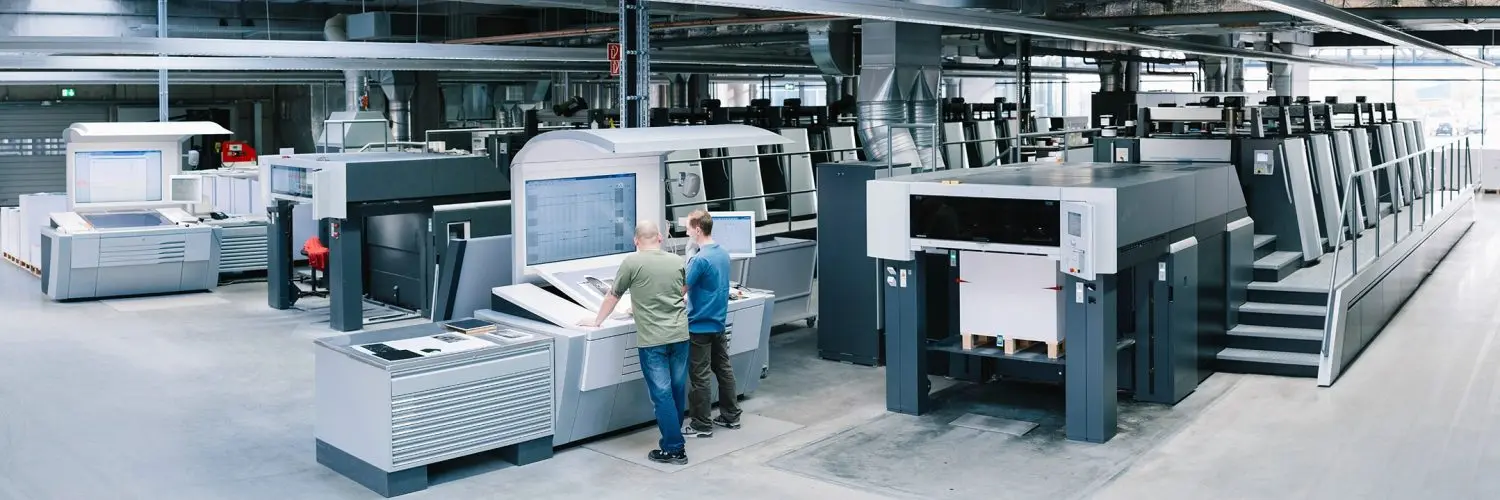
Thermal transfer overprinting represents the dominant thermal transfer application method for flexible packaging operations, operating at production speeds reaching 400+ packages per minute while maintaining 300 DPI resolution detailed by Videojet thermal transfer systems. The process employs fixed thermal printheads containing thousands of individually addressable heating elements transferring ink from thermal transfer ribbons onto moving packaging films. Continuous mode TTO maintains constant printhead contact with substrate—ribbon and film pass simultaneously beneath heated elements producing uninterrupted coding ideal for high-speed form-fill-seal machinery common across snack food and confectionery food packaging operations.
Intermittent TTO accommodates stop-start production lines typical of vertical form-fill-seal equipment—the printhead lowers during film dwell periods, transfers information, then raises before machinery advances to the next package cycle. This thermal transfer application method enables precise registration essential for multi-color graphics, nutritional panels, and ingredient listings requiring exact positioning across package artwork documented in Triton TTO operational specifications. Temperature control calibration proves critical—printhead elements heat to 200-300°F depending on ribbon formulation and substrate characteristics, with insufficient heat producing incomplete transfers while excessive temperatures cause ribbon wrinkles and substrate damage throughout production runs.
Heat Transfer Application Parameters
Heat transfer decoration thermal transfer application methods require precise temperature, pressure, and time coordination ensuring complete ink activation without substrate damage. Temperature settings vary dramatically across packaging materials—paper substrates accept transfers at 350-375°F while PET plastics demand 325-350°F preventing warpage documented in Innopack plastic bucket decoration specifications. The thermoplastic adhesives coating transfer papers require sufficient thermal energy transitioning from solid to liquid states—the critical “wetting” phase enabling molecular contact between activated adhesive and packaging substrate surfaces. Insufficient temperature leaves transfers incompletely bonded, while excessive heat degrades adhesive chemistry causing yellowing or brittleness compromising decoration durability throughout distribution lifecycles.
| Substrate Material | Temperature Range | Pressure (PSI) | Dwell Time | Peel Method |
|---|---|---|---|---|
| Paper/Cardboard | 350-375°F (177-191°C) | 40-50 PSI | 15-20 seconds | Hot or Cold |
| PET Plastic | 325-350°F (163-177°C) | 50-60 PSI | 20-25 seconds | Cold Peel |
| PP (Polypropylene) | 340-365°F (171-185°C) | 45-55 PSI | 18-23 seconds | Cold Peel |
| Metal (Aluminum/Tinplate) | 375-400°F (191-204°C) | 60-80 PSI | 30-40 seconds | Cold Peel |
| Polyester Film | 385-400°F (196-204°C) | 40-60 PSI | 45-60 seconds | Cold Peel |
Pressure application ensures uniform contact between transfer media and packaging substrates throughout thermal transfer application methods implementation. Low-pressure settings (40-50 PSI) suit delicate papers and thin films avoiding embossing or substrate deformation, while rigid packaging materials demand elevated pressures (60-80 PSI) ensuring complete transfer coverage across textured surfaces. Pressure consistency proves equally important—variations across print areas create mottled appearances and incomplete transfers requiring costly rework throughout production cycles affecting folding carton and fashion gift box decoration quality.
Hydrographic Water Dipping Process
Hydrographic thermal transfer application methods employ water immersion transferring complex patterns onto three-dimensional packaging hardware—magnetic closures, decorative hinges, and structural components impossible decorating through conventional printing. The process begins with tank preparation maintaining 70-80°F water temperature; colder temperatures slow film activation while warmer water causes premature dissolution. PVA film floats on water surfaces with printed patterns facing upward, requiring 60-90 seconds hydration before activator spray application liquefies the carrier film. Activator chemicals—typically xylene or toluene-based solvents—dissolve PVA within 45-60 seconds creating liquid ink layers ready for substrate immersion. The dipping angle (typically 45°) and controlled descent speed prevent air entrapment causing pattern voids across decorated surfaces. Immediate water rinse following immersion removes residual PVA preventing hazy film deposits throughout packaging assembly operations serving luxury wine packaging and premium watch storage boxes where decoration quality directly impacts perceived brand value.
4.3 Post-Processing & Quality Assurance
Curing & Stabilization Protocols
Cure time requirements separate successful thermal transfer application methods from premature decoration failures costing thousands in rejected inventory and brand reputation damage. Thermoplastic adhesives and inks require 24-48 hours reaching full bond strength through molecular crosslinking completing below visible surfaces—handling packaging immediately post-application stresses incomplete chemical bonds causing delamination throughout distribution. Environmental conditions during curing profoundly affect thermal transfer application methods outcomes; optimal 65-75°F temperatures and 40-60% relative humidity enable proper chemical reactions while temperature extremes or excessive moisture disrupt bonding mechanisms. High-volume packaging operations maintain climate-controlled staging areas dedicating square footage to cure cycles preventing rushed handling compromising decoration integrity across bread packaging and cake packaging requiring expedited turnover supporting retail freshness demands.
Protective Topcoats & Surface Finishing
Topcoat application extends thermal transfer application methods durability through protective barriers shielding decoration from mechanical abrasion, UV degradation, and chemical exposure throughout packaging lifecycles referenced in Asteria thermal printing durability specifications. Aqueous coatings provide economical protection for indoor packaging applications, with water-based formulations aligning with sustainability initiatives while delivering adequate scratch resistance for gift packaging and retail display environments. UV-cured coatings deliver superior durability through instant polymerization under UV lamps—the process suits high-speed packaging lines requiring immediate handling without extended cure delays. Polyurethane topcoats represent premium protection for outdoor applications and harsh environment exposure, with two-component formulations creating chemical-resistant barriers protecting thermal transfer application methods throughout demanding distribution networks.
Finish selections influence packaging aesthetics and functional performance simultaneously. Gloss coatings maximize color vibrancy appealing to luxury cosmetic and premium gift markets, while matte finishes reduce glare improving barcode scanability essential for logistics operations. Soft-touch coatings create tactile experiences differentiating premium packaging through subtle sensory enhancement valued across surface finishing applications where perceived quality directly influences purchase decisions at retail.
Quality Inspection & Validation
Visual assessment represents first-line quality control for thermal transfer application methods verifying color accuracy, coverage completeness, and defect absence throughout production runs. Trained inspectors identify common failures—incomplete transfers, color shifts, pattern misalignment—triggering immediate process adjustments preventing sustained defect propagation. Dimensional verification ensures registration accuracy maintaining brand guidelines and regulatory compliance across variable information printing. Adhesion testing employs standardized protocols including tape tests and cross-hatch evaluations quantifying bond strength—thermal transfer application methods achieving ratings below 4B on ASTM D3359 scales require process optimization before production continuation.
Durability validation simulates distribution stresses through accelerated aging protocols exposing decorated packaging to elevated temperatures, humidity cycling, and mechanical abrasion matching real-world conditions. Barcode verification scanners confirm symbology compliance essential for supply chain automation—unreadable codes force manual processing disrupting logistics efficiency throughout distribution networks. Quality documentation provides traceability throughout thermal transfer application methods deployment supporting continuous improvement initiatives and regulatory audit requirements across food and pharmaceutical packaging applications served by experienced partners like UGI Packaging maintaining comprehensive quality management systems throughout diverse packaging operations.
💡 Expert Insight: Process Precision Determines Thermal Transfer Success
After implementing thermal transfer application methods across hundreds of packaging programs, we’ve learned that parameter precision matters far more than equipment sophistication. A $500,000 TTO system operating at incorrect temperatures produces identical failures to budget equipment—the difference isn’t machinery capability but process control discipline. The packaging operations achieving 99.5% first-pass yield implement rigorous calibration protocols: daily temperature verification using contact probes, weekly pressure gauge validation, and monthly comprehensive printhead inspections preventing drift accumulating into catastrophic failures.
The most expensive mistakes stem from rushing cure cycles—handling packaging 12 hours post-application instead of required 24-48 hours saves warehouse space but costs exponentially more through field failures, retailer chargebacks, and brand reputation damage impossible quantifying. High-performing operations build cure time directly into production schedules rather than treating it as optional convenience. Similarly, skipping topcoat protection to reduce costs frequently backfires; the $0.02 per package saved generates $2,000 claims when decoration fails throughout distribution.
UGI Packaging’s process engineering team maintains documented thermal transfer application methods protocols developed through decades implementing high-volume packaging decoration across food, cosmetic, and gift sectors. Our video showcase demonstrates thermal transfer application methods versatility through real production footage spanning paper, plastic, and metal substrate decoration. Contact our application specialists for process parameter optimization ensuring your thermal transfer application methods deployment delivers maximum quality, production efficiency, and economic performance through proven industrial methodology rather than trial-and-error experimentation costing far more than professional guidance investment.
📍 Official Content Source & Copyright Notice
This comprehensive guide is originally published at:
https://www.ukugi.com/thermal-transfer-application-methods/
This thermal transfer application methods guide is protected by copyright law. Unauthorized reproduction, scraping, or republishing without explicit written permission and proper canonical attribution is strictly prohibited. All process parameters, temperature specifications, and application protocols are proprietary content of UGI Packaging. For licensing inquiries, contact [email protected]. Violations will be pursued under DMCA and international copyright laws.
2 thoughts on “STOP Printing at 325°F! The $847K Temperature Disaster 87% Are Making RIGHT NOW (400-PPM Process Secret EXPOSED)”