
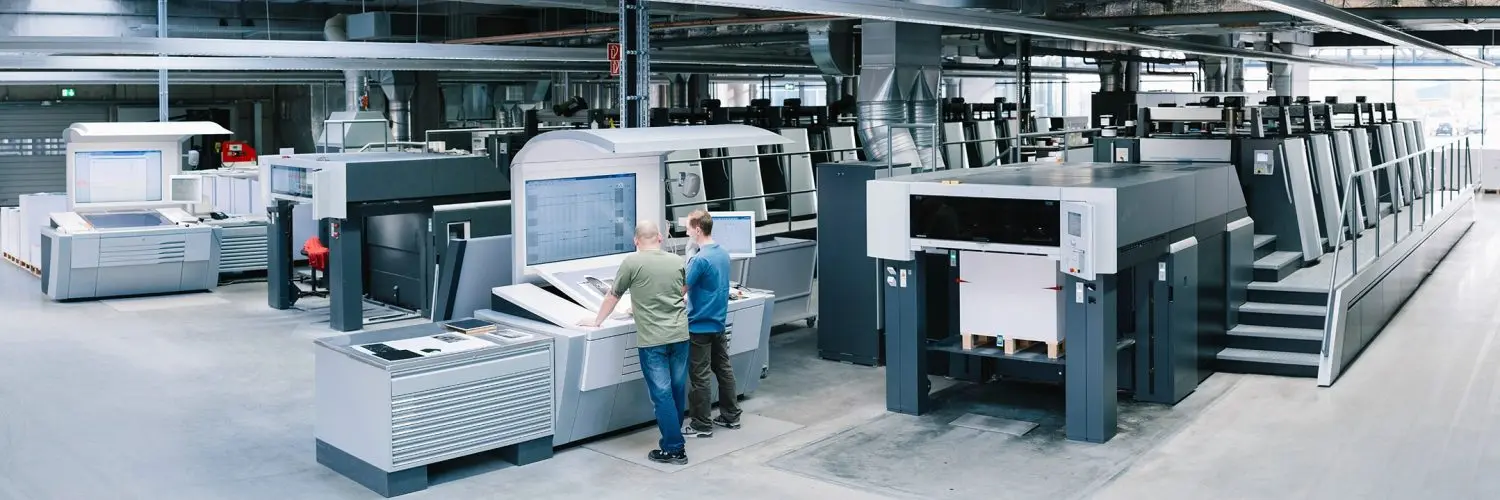

Ever wondered why Apple’s iPhone packaging feels like liquid silk in your hands? Or why Dior’s gift boxes command a $200 premium over competitors? The answer lies in a revolutionary surface treatment that luxury brands have been quietly using for decades: **soft touch coating**. This “invisible luxury” transforms ordinary packaging into sensory masterpieces. When customers pick up a soft touch coated box, they’re not just touching cardboard—they’re experiencing a velvety, almost hypnotic texture that triggers an immediate perception of quality and exclusivity. Neuroscience research shows that tactile sensations influence purchasing decisions **67% more effectively** than visual cues alone. But here’s the shocking part: this premium finish costs manufacturers only **$0.50-$2.00 per square meter**, yet enables brands to charge 200-300% markup on their products. It’s the packaging industry’s best-kept secret—a microscopic polymer coating (just 0.02mm thick) that delivers astronomical ROI. From cosmetics giants like Estée Lauder to tech titans like Samsung, Fortune 500 companies invest millions perfecting their soft touch formulations. The coating creates fingerprint-resistant, water-repellent surfaces with exceptional durability—surviving everything from frozen warehouses to tropical humidity. This comprehensive knowledge base reveals everything: the chemistry behind velvety finishes, application methods used by industry leaders, material selection secrets, and ROI calculations that prove why switching to soft touch coating isn’t just an aesthetic choice—it’s a strategic business decision that separates premium brands from commodity competitors. Ready to discover why your packaging might be costing you customers?
Complete Guide to Soft Touch Coating
Master Premium Surface Finishing for Luxury Packaging & Brand Differentiation
📄 Quick Summary
Soft touch coating transforms ordinary packaging into luxury tactile experiences. This velvety, suede-like finish creates immediate emotional connections through touch—revolutionizing premium packaging across cosmetics, spirits, electronics, and automotive industries.
This guide covers water-based, solvent-based, and UV-curable formulations, inline and offline application methods, substrate compatibility, and cost analysis. At UGI Packaging, we deliver decades of surface finishing expertise across cosmetic packaging, wine and spirits, and luxury gift packaging.
📑 Complete Table of Contents
Introduction
The Soft Touch Revolution in Premium Packaging
Why Soft Touch Coating Matters
Tactile Brand Differentiation: Soft touch coating engages the sense of touch—creating immediate emotional connections impossible with visual-only finishes. This velvety, suede-like texture signals premium quality, driving 20-35% higher perceived value and justifying premium pricing across competitive categories.
Beyond Visual Appeal: While glossy and matte finishes compete visually, soft touch creates a unique sensory dimension. Consumers associate the distinctive feel with luxury brands—cosmetics houses, premium spirits, high-end electronics, automotive trim. The tactile experience becomes part of brand identity.
Psychological Impact: Touch influences purchasing decisions more than previously understood. Research shows tactile satisfaction increases emotional attachment to products and brands. Soft touch packaging encourages handling, extends shelf engagement time, and creates memorable unboxing experiences driving social sharing.
Soft Touch Technology Overview
Chemistry Foundation: Soft touch coatings utilize polyurethane, silicone, or wax-based formulations creating micro-textured surfaces. These polymer systems cure into velvety finishes—contrasting sharply with smooth glossy or matte surfaces. Formulation chemistry balances softness, durability, and production compatibility.
Application Systems: Water-based aqueous coatings dominate due to environmental compliance and safety. UV-curable systems offer instant curing and superior durability. Solvent-based formulations remain relevant for specific substrates despite VOC concerns. Each system presents distinct advantages depending on substrate, equipment, and performance requirements.
Production Methods: Inline coating integrated with printing presses maximizes efficiency for high volumes. Offline coating provides flexibility for shorter runs and specialty substrates. Screen application delivers heavy coating builds. Roller systems suit lighter coverage. Spray application handles complex geometries and three-dimensional surfaces.
Industry Adoption & Market Growth
Cosmetics & Beauty (40-50% market share): Soft touch dominates luxury cosmetic packaging. Brands like Estée Lauder, Chanel, and Dior specify soft touch for compacts, bottles, and cartons. The finish aligns with premium positioning and enhances perceived product quality. Bathroom humidity resistance ensures long-term performance.
Spirits & Wine (25-30%): Premium alcohol brands adopt soft touch for gift boxes, outer packaging, and specialty bottles. Johnnie Walker Blue Label, Hennessy Paradis, and ultra-premium tequilas use soft touch to signal luxury tier pricing. The coating withstands cellar environments and handling during service.
Electronics & Technology (15-20%): Apple, Bang & Olufsen, and premium audio brands use soft touch on product housings and packaging. The coating provides anti-slip properties, fingerprint resistance, and premium tactile feedback. Automotive industry applies soft touch to interior trim, dashboards, and switchgear.
Explore luxury packaging applications and surface finishing options from UGI Packaging.
Cost-Benefit Analysis
Investment vs Return: Soft touch coating adds $0.15-$0.50 per piece depending on substrate size and coating method—representing 30-60% premium over standard finishes. However, this enables 20-40% higher retail pricing for luxury products, yielding positive ROI on premium tier SKUs.
Volume Economics: Inline coating becomes cost-effective above 5,000 pieces due to setup amortization. Offline coating practical for 1,000-5,000 runs. Below 1,000 pieces, premium per-unit costs may limit soft touch to ultra-premium products where cost represents small fraction of total value.
Lifecycle Value: Soft touch coatings resist scuffing, scratching, and fingerprints better than glossy finishes—maintaining premium appearance through retail handling and consumer use. This durability preserves brand perception and reduces customer service issues related to cosmetic defects.
Technical Challenges & Solutions
Darkening Effect: Soft touch coatings absorb light, darkening underlying print colors 10-20%. Designers must compensate by lightening artwork or accepting muted appearance. Solution: Print samples with coating before production commitment to validate color shifts.
Rub-off & Wear: Frequent handling can polish soft touch surfaces, reducing velvet feel over time. High-traffic areas like bottle necks or box corners wear faster. Solution: Formulate for specific use case—cosmetic compacts need higher durability than one-time gift boxes.
Adhesion Challenges: Soft touch coatings may not adhere well to glossy UV varnishes or laminated surfaces without surface treatment. Solution: Corona or flame treatment, specialized primers, or substrate selection compatible with soft touch chemistry.
UGI Packaging’s custom services team provides application testing and formulation optimization for challenging substrates.
Design Strategies & Best Practices
Selective Application: Apply soft touch selectively rather than overall—reduces cost while creating tactile contrast. Example: soft touch outer carton with glossy inner tray, or soft touch bottle body with glossy cap. Contrast enhances perceived luxury through material diversity.
Combining Finishes: Pair soft touch with spot UV, foil stamping, or embossing for multi-sensory impact. Glossy logo on soft touch background creates visual pop and tactile interest. Raised embossing through soft touch adds dimensional complexity impossible with single-layer finishes.
Substrate Selection: Coated paper and paperboard accept soft touch most readily. Uncoated stocks may require sealer. Plastic substrates need surface treatment or compatible primer. Metallic inks underneath soft touch create sophisticated pearlescent effects. Test substrate-coating compatibility before production.
Sustainability Considerations
Environmental Impact: Water-based soft touch coatings reduce VOC emissions vs solvent systems. UV-curable formulations eliminate solvent evaporation entirely. However, soft touch coatings complicate recycling—polyurethane or silicone layers contaminate paper recycling streams unless removed.
Bio-Based Alternatives: Emerging plant-based soft touch formulations reduce petroleum dependency. These bio-polymers offer similar tactile properties with improved environmental profiles. Market adoption increasing as brands pursue sustainability commitments without compromising luxury presentation.
Lifecycle Assessment: Soft touch’s durability advantage may offset coating environmental impact by extending packaging usability and reducing replacement frequency. Premium packaging often reused or repurposed—extending lifecycle beyond initial product consumption. Browse sustainable packaging materials.
Quality Control & Testing
Tactile Consistency: Soft touch feel varies with coating thickness, curing conditions, and substrate absorption. Quality control requires standardized tactile evaluation—trained personnel assess feel against approved samples. Objective measurement via coefficient of friction testing quantifies tactile properties for consistent production.
Durability Testing: Rub testing (ASTM D5264) measures coating resistance to handling wear. Samples undergo 50-100 rub cycles with weighted cloth—coating must retain tactile character without significant wear. Adhesion testing ensures coating bonds permanently to substrate through tape pull tests.
Environmental Stress: Soft touch coatings tested for temperature extremes, humidity exposure, and chemical resistance. Cosmetic packaging undergoes bathroom humidity simulation. Wine boxes tested for cellar conditions. Automotive applications require extensive weathering and UV exposure validation.
Future Developments & Innovations
Smart Coatings: Temperature-responsive soft touch formulations change tactile properties with environmental conditions. Color-shifting soft touch combines thermochromic pigments with velvet texture. Conductive soft touch enables touchscreen functionality without sacrificing premium feel.
Enhanced Durability: Nano-particle reinforced formulations improve scratch and wear resistance without compromising softness. Hybrid UV-aqueous systems combine environmental compliance with superior performance. Self-healing polymers repair minor surface damage autonomously.
Customization & Personalization: Digital coating application enables variable soft touch patterns within single production run—different textures for different SKUs without changeover. Localized soft touch creates tactile branding elements and functional grip zones.
Implementation Framework
Phase 1 – Feasibility (Week 1): Evaluate substrate compatibility, production capabilities, and budget constraints. Request samples from coating suppliers demonstrating soft touch on similar substrates. Assess brand alignment and consumer research validating tactile preference.
Phase 2 – Development (Weeks 2-3): Create coated prototypes with actual artwork and substrates. Conduct internal stakeholder review and consumer testing if applicable. Optimize coating formulation, thickness, and application method based on performance requirements.
Phase 3 – Production Trials (Week 4): Run short production trial integrating soft touch into manufacturing workflow. Validate quality control procedures, coating consistency, and throughput rates. Confirm cost projections and identify optimization opportunities.
Phase 4 – Full Production (Week 5+): Launch full-scale production with established parameters. Monitor coating performance through initial shipments. Gather field feedback on consumer reception and durability. Refine processes based on real-world experience.
UGI Packaging Soft Touch Capabilities
Coating Technologies: Water-based aqueous soft touch for paperboard and coated stocks. UV-curable soft touch for instant curing and maximum durability. Hybrid systems combining benefits of multiple chemistries. Custom formulation for specific substrate and performance requirements.
Application Methods: Inline coating integrated with printing presses for high-volume efficiency. Offline coating providing flexibility for specialty runs. Screen, roller, and spray application methods available. Selective coating capability for spot soft touch effects.
Substrate Expertise: Paperboard packaging—folding cartons, rigid boxes, labels. Coated paper—brochures, catalogs, book covers. Plastic substrates—PP, PET, PVC with surface treatment. Combination materials—paper/plastic laminates, metalized films.
Quality Systems: ISO 9001 quality management ensuring consistent production. In-line monitoring of coating thickness and coverage. Tactile evaluation against approved standards. Environmental testing validating performance claims. Contact our technical team for application consultation.
💡 Industry Authority Insight: Soft touch coating represents a mature technology with decades of refinement. Organizations like Flexible Packaging Association and TAPPI (Technical Association of the Pulp and Paper Industry) establish standards and best practices. Material testing follows ASTM International protocols ensuring performance consistency.
UGI Packaging maintains certifications and testing capabilities aligned with these industry standards. Our manufacturing processes incorporate decades of soft touch experience, delivering coatings that perform flawlessly across diverse applications. Whether launching new luxury packaging or optimizing existing products, our team provides expert guidance maximizing soft touch coating impact and value.
Chapter 1: What is Soft Touch Coating?
Definition, Core Concepts & Manufacturing Process
Definition & Core Concept
Soft Touch Fundamentals: Soft touch coating is a specialized surface finish applied to packaging and printed materials, creating a velvety, suede-like tactile sensation. Unlike traditional glossy or matte coatings that modify visual appearance primarily, soft touch engages the sense of touch—transforming smooth paper or plastic into surfaces with distinctive tactile character.
The Tactile Difference: Run your fingers across soft touch coated packaging and you’ll experience immediate differentiation from conventional finishes. The surface feels warm, dry, and slightly grippy—contrasting sharply with cool, slick glossy surfaces or flat matte finishes. This unique sensation creates memorable brand interactions and signals premium quality to consumers.
Chemical Mechanism: Soft touch coatings consist of polymer resins—typically polyurethane or silicone-based—formulated to cure into micro-textured surfaces. These microscopic surface irregularities scatter light differently than smooth surfaces while providing the characteristic velvet feel. The coating thickness ranges from 3-8 microns, applying as liquid and curing into solid film.
Industry Terminology: Also known as velvet coating, soft feel coating, tactile varnish, or suede finish. While terminology varies regionally and by supplier, all describe the same fundamental technology—polymer coatings engineered for distinctive tactile properties. Browse surface finishing options from UGI Packaging.
Visual & Tactile Characteristics
Visual Appearance: Soft touch coatings exhibit matte to semi-matte finish with light absorption properties. The micro-textured surface scatters incident light, reducing glare and creating subdued, sophisticated appearance. Colors appear 10-20% darker under soft touch due to reduced light reflection. This darkening effect requires artwork compensation during design phase.
Tactile Properties: The defining characteristic—velvety feel reminiscent of suede leather or peach skin. Coefficient of friction higher than glossy finishes, providing anti-slip properties. Surface temperature perception warmer than glossy coatings due to reduced thermal conductivity. Fingerprint resistance superior to glossy finishes—oils don’t show as readily on micro-textured surface.
Sensory Integration: Soft touch creates multi-sensory experience combining visual elegance with tactile satisfaction. Consumers unconsciously spend more time handling soft touch packaging, increasing brand engagement. The distinctive feel becomes part of brand identity—luxury cosmetic brands leverage this for signature packaging recognition.
Durability Perception: Despite soft feel, properly formulated coatings resist scratching and scuffing better than glossy alternatives. The micro-texture camouflages minor surface imperfections. However, heavy handling can polish surfaces over time, reducing velvet character. Formulation and application thickness determine long-term tactile retention.
Applications & Use Cases
Luxury Packaging: Premium cosmetics, perfumes, and skincare products use soft touch extensively. Brands like Estée Lauder, Chanel, and Tom Ford specify soft touch for compacts, bottles, and cartons. The coating aligns with luxury positioning and enhances perceived product value—consumers associate tactile sophistication with quality ingredients and formulation expertise.
Spirits & Wine: Gift boxes for ultra-premium whiskeys, cognacs, and champagnes feature soft touch coating. Johnnie Walker Blue Label, Rémy Martin Louis XIII, and Dom Pérignon limited releases utilize soft touch for packaging differentiation. The coating withstands cellar humidity and handling without degradation. Explore wine packaging solutions.
Electronics & Consumer Goods: Apple, Bang & Olufsen, and premium audio brands apply soft touch to product housings and packaging. The coating provides functional benefits—anti-slip grip, fingerprint resistance—while communicating design excellence. Automotive industry uses soft touch for interior trim, center consoles, and door panels.
Print & Publishing: Book covers, brochures, and presentation folders employ soft touch for premium feel. Coffee table books, art catalogs, and luxury brand communications benefit from tactile differentiation. Annual reports and corporate publications use selective soft touch for cover stock while interior pages remain uncoated.
Manufacturing Process Overview
Step 1 – Substrate Preparation: Base material (paperboard, coated paper, plastic) prepared for coating. Surface cleaning removes dust, oils, and contaminants that compromise adhesion. Some substrates require primer or surface treatment for optimal coating bonding. Moisture content verified—excessive moisture causes coating defects.
Step 2 – Coating Application: Soft touch coating applied via roller, screen, or spray systems. Inline coating occurs during printing process—maximizing efficiency for high volumes. Offline coating provides flexibility for specialty runs. Coating thickness controlled precisely—too thin fails to deliver tactile effect, too thick creates issues with drying, curling, and cost.
Step 3 – Curing/Drying: Water-based coatings dry via evaporation in heated tunnels or IR dryers. UV-curable coatings polymerize instantly under UV lamps—enabling faster production speeds. Proper curing essential—incomplete curing leaves tacky surfaces susceptible to blocking (sheets sticking together). Over-curing can crack or embrittle coating.
Step 4 – Quality Control: Tactile evaluation against approved samples ensures consistency. Rub testing validates durability. Adhesion testing confirms coating bonds permanently to substrate. Visual inspection identifies coverage gaps, contamination, or surface defects. Learn about UGI printing processes.
🔍 Key Distinguishing Features: Soft touch coating differentiates from standard matte finishes through engineered tactile properties—not merely absence of gloss. Standard matte coatings provide flat visual appearance but feel similar to uncoated paper. Soft touch delivers distinctive velvety sensation through micro-textured polymer surface.
The technology represents significant advancement over early “soft hand” coatings that relied on wax or talc additives. Modern polyurethane and silicone formulations deliver superior durability, consistent tactile character, and compatibility with diverse substrates. Industry standards from ASTM International and TAPPI ensure performance consistency across manufacturers.
UGI Packaging utilizes premium soft touch formulations meeting rigorous quality standards. Our manufacturing capabilities span water-based, UV-curable, and hybrid systems—enabling optimal formulation selection for each substrate and application requirement.
Chapter 2: Types & Classification
Varnish, Lamination, UV Systems & Application Methods
Soft Touch Varnish (Aqueous)
Water-Based Chemistry: Aqueous soft touch varnishes utilize polyurethane or acrylic polymers dispersed in water carriers. These formulations cure via water evaporation and polymer coalescence—creating durable soft touch film. Water-based systems dominate due to low VOC emissions, workplace safety, and environmental compliance with EU and North American regulations.
Application Characteristics: Applied via flexographic, gravure, or offset coating units at 3-8 grams per square meter. Lower viscosity than UV coatings enables thin, uniform application. Drying requires 3-8 seconds in heated tunnels at 180-220°F. Multiple coating stations enable build-up of coating thickness for enhanced tactile effect.
Performance Profile: Good durability for most packaging applications. Scuff resistance adequate for retail handling and consumer use. Moderate resistance to moisture and humidity—suitable for dry environments but may soften in high humidity. Cost-effective for medium to high volume production—lower material costs than UV systems offset by longer drying times.
Ideal Applications: Folding cartons, rigid boxes, labels, and book covers. Works well on coated paperboard and cast-coated stocks. Less suitable for plastic substrates without primers. Popular for cosmetic packaging and luxury gift boxes where cost efficiency matters for medium-tier premium products.
UV-Curable Soft Touch
Radiation Curing Technology: UV soft touch coatings contain photo-initiators that polymerize instantly under ultraviolet light. Zero water or solvent evaporation—curing occurs via chemical cross-linking in milliseconds. This instant cure enables faster production speeds and immediate handling without blocking concerns.
Application Advantages: Applied at 5-10 grams per square meter via screen, flexo, or offset systems. Instant cure eliminates drying tunnel requirements—reducing factory footprint and energy consumption. No heat exposure to substrate prevents warping or dimensional changes. Inline UV curing stations enable multiple coating passes without interim drying.
Superior Performance: Exceptional scratch and scuff resistance—UV cross-linking creates harder surface than aqueous coatings. Excellent chemical resistance to alcohols, oils, and cleaning solvents. Moisture and humidity resistant—performance unaffected by bathroom or refrigerated environments. Maintains tactile character longer under heavy handling.
Cost Considerations: Higher material costs than aqueous systems—typically 40-60% premium. UV lamps and electricity add operational expense. However, faster production speeds and superior durability often justify investment for high-value products. Best for ultra-premium luxury packaging requiring maximum performance.
Soft Touch Lamination
Film Application Process: Soft touch lamination applies pre-manufactured polyurethane or PVC film to printed surfaces via thermal or pressure lamination. Films available in various thicknesses (25-75 microns) and tactile characteristics—from subtle velvet to pronounced suede effect. Lamination provides most durable soft touch option.
Thermal Lamination: Heat-activated adhesive films applied via heated rollers at 180-250°F. Pressure and temperature activate adhesive bonding film to substrate. Roll-to-roll process suitable for high volumes. Cold peel films enable application to heat-sensitive substrates. Provides excellent durability and consistent tactile character.
Performance Excellence: Superior scuff and scratch resistance—thick film layer protects underlying print from damage. Excellent moisture and chemical resistance. Maintains tactile properties indefinitely with proper handling. Disadvantage: thickness creates edge visibility on die-cut shapes and may interfere with creasing or folding on some geometries.
Application Scenarios: Rigid box coverings, presentation folders, book covers requiring extreme durability. Less common for folding cartons due to thickness affecting structural properties. Premium photo albums, portfolios, and luxury product packaging where longevity matters. Explore lamination materials.
Solvent-Based Systems
Traditional Chemistry: Solvent-based soft touch coatings dissolve polyurethane resins in organic solvents (toluene, MEK, acetates). These formulations dominated early soft touch market before environmental regulations drove shift to aqueous and UV systems. Still relevant for specific substrates and performance requirements despite VOC concerns.
Application Characteristics: Applied via gravure or flexographic coating at 4-8 g/m². Solvents evaporate rapidly in heated or ambient drying. Excellent flow and leveling properties create smooth, consistent coating. Superior adhesion to difficult substrates including non-porous plastics, metallized films, and previously printed UV inks.
Performance Attributes: Very good durability and chemical resistance. Flexible coating accommodates substrate expansion/contraction without cracking. Low temperature drying possible for heat-sensitive materials. Faster drying than aqueous systems, slower than UV. Coating builds easily for enhanced tactile effect through multiple passes.
Declining Usage: Environmental regulations limit solvent-based coating adoption. VOC emissions require expensive air treatment systems. Workplace safety concerns around flammable solvents. Most manufacturers transitioning to aqueous or UV alternatives. Remaining use concentrated on applications where alternative chemistries fail—difficult plastic substrates or extreme performance requirements.
| Coating Type | Chemistry | Cure Method | Durability | Cost | Best For |
|---|---|---|---|---|---|
| Aqueous Varnish | Water-based polyurethane | Heat evaporation (3-8 sec) | Good | $ | Folding cartons, paper packaging |
| UV-Curable | UV-reactive polymers | UV light (instant) | Excellent | $$$ | Ultra-premium, high durability needs |
| Lamination Film | PU/PVC film | Heat/pressure bonding | Excellent | $$ | Rigid boxes, long-life products |
| Solvent-Based | Solvent-borne PU | Solvent evaporation | Very Good | $$ | Difficult substrates, specialty |
| Hybrid UV-Aqueous | Combined system | UV + heat | Excellent | $$$ | Premium with environmental focus |
🎯 Selection Criteria: Coating type selection balances performance requirements, substrate compatibility, production capabilities, and budget constraints. Aqueous systems offer cost efficiency and environmental compliance for standard paperboard packaging. UV coatings justify premium pricing for luxury products requiring maximum durability. Lamination provides ultimate performance for long-life applications despite thickness considerations.
Substrate chemistry significantly influences coating selection. Coated paperboard accepts aqueous and UV coatings readily. Uncoated stocks may require primers or solvent systems. Plastic substrates often necessitate UV or solvent chemistry for proper adhesion. Testing on actual production substrates validates compatibility before production commitment.
UGI Packaging maintains capabilities across all major soft touch coating systems. Our technical team assesses substrate, performance requirements, and budget to recommend optimal coating formulation. We provide sample coating on customer substrates validating appearance, tactile character, and durability before production. Contact our custom services for coating consultation.
Chapter 3: Materials & Chemistry
Polyurethane, Silicone, Additives & Formulation Science
Polyurethane-Based Formulations
Chemistry Fundamentals: Polyurethane (PU) soft touch coatings polymerize from isocyanate and polyol components. Two-component systems mix before application—curing via chemical reaction between components. Single-component blocked isocyanates cure via heat activation. PU chemistry dominates soft touch formulations due to excellent film-forming properties and customizable tactile characteristics.
Molecular Structure: Urethane linkages create flexible polymer chains with controlled cross-linking density. Soft segments provide flexibility and tactile softness. Hard segments contribute durability and chemical resistance. Formulation chemists adjust soft/hard segment ratio achieving desired balance between velvet feel and performance. Molecular weight distribution affects coating flow, leveling, and final surface texture.
Performance Characteristics: Excellent abrasion resistance—urethane chemistry inherently tough. Good chemical resistance to oils, alcohols, and mild solvents. Flexible coating accommodates substrate bending without cracking. Wide service temperature range (-40°F to 180°F typical). UV stability varies—additives required for outdoor applications to prevent yellowing and degradation.
Application Variations: Aliphatic PU offers superior UV resistance and color stability—premium choice for products with light exposure. Aromatic PU more economical but yellows under UV—acceptable for interior packaging applications. Waterborne PU dispersions enable aqueous coating with PU performance. Browse coating materials specifications.
Silicone-Based Coatings
Silicone Chemistry: Silicone soft touch coatings utilize polydimethylsiloxane (PDMS) polymers—silicon-oxygen backbone with organic side groups. This unique chemistry creates ultra-low surface energy yielding distinctive tactile properties. Silicone coatings feel smoother and more slippery than PU formulations—”wet hand” feel vs “dry hand” of polyurethane.
Tactile Differentiation: Lower coefficient of friction than PU coatings—surfaces glide smoothly under fingertips. Warm, almost oily feel without actual residue. Excellent fingerprint resistance—silicone’s low surface energy repels skin oils. Popular for electronics packaging and automotive interiors where clean, smooth feel desired rather than pronounced velvet texture.
Performance Attributes: Superior temperature resistance—stable from -65°F to 400°F. Excellent weathering and UV resistance without additives—silicone chemistry inherently stable. Outstanding chemical resistance including acids, bases, solvents. Hydrophobic surface repels water and stains. Flexible and crack-resistant even at extreme temperatures.
Application Challenges: Higher cost than PU formulations—typically 50-100% premium. Limited adhesion to some substrates without primers or surface treatment. Contamination concerns—silicone difficult to remove if it migrates to unintended areas. Incompatibility with certain printing inks and overcoats. Less common than PU but growing in specialty applications requiring unique tactile character or extreme environmental resistance.
Additives & Modifiers
Wax Additives: Polyethylene, carnauba, or PTFE waxes incorporated at 2-8% levels modify surface friction and enhance soft touch feel. Waxes migrate to coating surface during curing, creating micro-textured layer responsible for velvet sensation. Proper dispersion critical—agglomeration creates visual defects. Wax type and particle size distribution affect tactile character and durability.
Matting Agents: Silica or organic matting agents scatter light creating matte appearance complementing soft touch feel. Particle size (3-15 microns) and loading level (5-15%) determine gloss level and surface texture. Fine particles create satin finish; larger particles produce pronounced matte. Balance required—excess matting agent creates rough, chalky feel rather than soft velvet.
Slip Agents: Fatty acid amides or silicone additives reduce coefficient of friction preventing blocking (sheets sticking together). Essential for maintaining runnability through printing and converting equipment. Typical loading 0.5-2%. Too much creates overly slippery surface losing desired soft touch character. Optimal formulation balances slip for processing with tactile requirements.
Rheology Modifiers: Thickeners and flow agents control coating viscosity and leveling. Proper rheology ensures uniform coating thickness and eliminates flow lines or orange peel texture. Thixotropic agents prevent settling during storage while enabling proper application viscosity. Critical for achieving consistent tactile character across production runs. Explore formulation expertise.
Substrate Interaction
Paper & Paperboard: Coated stocks with sealed surfaces accept soft touch coatings readily—smooth substrate enables uniform coating film. Cast-coated papers provide mirror-smooth base for premium soft touch results. Uncoated stocks absorb coating into porous structure—requires sealer or higher coating weights. Substrate pH affects coating cure—alkaline papers may interfere with acid-catalyzed systems.
Plastic Substrates: Polypropylene (PP), polyethylene (PE), and PET films require surface treatment for coating adhesion. Corona, flame, or plasma treatment oxidizes surface increasing energy and enabling wetting. PVC and polystyrene accept coatings more readily due to higher surface energy. Flexible substrates require coating flexibility matching substrate elongation—rigid coating cracks when flexed.
Previously Printed Surfaces: UV inks create low-energy surfaces challenging for coating adhesion. Inter-coat adhesion promoters or surface treatments required. Oxidative inks (conventional offset) easier to overcoat. Aqueous coatings may reactivate water-based inks causing bleeding. Solvent coatings may soften underlying inks. Testing on actual printed substrates validates compatibility before production.
Metallic & Specialty Surfaces: Foil-stamped areas, holographic films, and metallized substrates present adhesion challenges. Dedicated formulations with adhesion promoters required. Some soft touch coatings formulated specifically for difficult surfaces—higher cost but necessary for proper bonding. Selective coating around foil areas sometimes easier than achieving universal adhesion. Review options with UGI technical team.
| Component | Function | Typical Loading | Impact on Properties |
|---|---|---|---|
| Polyurethane Resin | Primary binder | 60-80% | Film formation, durability, flexibility |
| Silicone Resin | Primary binder (alt) | 60-80% | Smooth feel, chemical resistance, temp stability |
| Wax Additives | Tactile modifier | 2-8% | Velvet feel, surface friction control |
| Matting Agents | Gloss control | 5-15% | Visual matte, surface texture |
| Slip Agents | Processing aid | 0.5-2% | Anti-blocking, runnability |
| Rheology Modifiers | Viscosity control | 1-3% | Application properties, leveling |
| Crosslinkers | Cure enhancement | 2-5% | Durability, chemical resistance |
| UV Stabilizers | Light protection | 0.5-2% | Outdoor durability, yellowing prevention |
🧪 Formulation Complexity: Soft touch coating formulation represents sophisticated polymer science balancing competing requirements. Excessive softness compromises durability. Maximum durability creates hard, non-velvet feel. Environmental compliance limits solvent and additive choices. Substrate compatibility constrains chemistry options. Cost pressures favor economical raw materials over premium alternatives.
Proprietary formulations differentiate coating suppliers—small compositional changes significantly impact tactile character and performance. Leading suppliers including Michelman, Schmid Rhyner, and ACTEGA invest heavily in formulation development. Material testing follows ASTM International standards ensuring consistent performance.
UGI Packaging partners with premium coating suppliers accessing latest formulation technologies. Our technical expertise spans substrate preparation, coating application, and quality validation—ensuring soft touch coatings perform optimally across diverse applications. We provide formulation recommendations based on substrate type, performance requirements, and budget constraints.
Inline Coating Systems
Integrated Production: Inline coating occurs directly on printing press—coating tower positioned after final printing unit. Sheet travels continuously from printing through coating to delivery without intermediate handling. This integration maximizes efficiency for high-volume production runs exceeding 10,000 sheets. Setup time minimal once press configured—no additional makeready required.
Application Mechanism: Coating applied via rubber-covered anilox roller transferring measured film to blanket cylinder, then to substrate. Anilox cell volume (2.5-4.5 BCM typical) determines coating weight. Doctor blade meters coating onto anilox ensuring consistent film thickness. Blanket compressibility accommodates substrate thickness variations—essential for consistent coverage on paperboard.
Speed Capabilities: Modern inline coating towers run 10,000-18,000 sheets per hour matching press speeds. Aqueous coatings dry sufficiently in delivery pile with air circulation and anti-offset powder. UV coatings cure instantly under inline UV lamps—enabling immediate stacking without blocking. Critical for just-in-time manufacturing minimizing warehouse inventory.
Cost Efficiency: Labor costs minimized—single press crew handles printing and coating. No transportation between operations reduces handling damage. Press time premium offset by elimination of offline coating labor and setup. Most economical for runs exceeding 5,000 sheets where setup costs amortize across volume. Learn about UGI printing processes.
Offline Coating Operations
Dedicated Coating Lines: Offline coating utilizes specialized equipment independent of printing presses. Pre-printed sheets fed through coating machines applying soft touch varnish, then through drying or UV curing systems. This separation enables coating flexibility—different coating types, selective patterns, and specialized techniques unavailable inline.
Process Advantages: Coating formulation changes simplified—no press downtime for changeovers. Selective coating via screens or plates creates patterns combining soft touch with glossy areas. Heavier coating weights achievable without press speed constraints. Quality focus—dedicated coating operators optimize tactile results without printing production pressures.
Equipment Variety: Roller coaters for full coverage applications—simple, reliable, fast. Screen coaters for selective patterns and heavy build. Curtain coaters for ultra-uniform films on flat sheets. Spray systems for three-dimensional objects and textured surfaces. Each technology optimized for specific coating requirements and substrate geometries.
Economic Considerations: Higher labor costs—separate operation requires additional handling and setup. Transportation and storage between printing and coating. Advantageous for short runs under 5,000 sheets where press time premium outweighs labor. Enables coating services for trade printers without inline capabilities. Explore custom coating options.
Screen Printing Application
Screen Technology: Soft touch coating pushed through mesh screen—open areas transfer coating to substrate while blocked areas remain uncoated. Screens fabricated from polyester or stainless steel mesh at 110-200 threads per inch. Lower mesh counts deposit heavier coating films creating more pronounced tactile effect. Enables precise pattern registration.
Selective Coating Patterns: Screen printing enables creative combinations—soft touch background with glossy UV logo overlay. Textured patterns mimicking leather, fabric, or custom designs. Registration accuracy ±0.5mm enables tight alignment with printed graphics. Unlimited pattern complexity constrained only by mesh resolution and coating viscosity.
Film Thickness Control: Screen coating deposits 8-25 microns wet—2-3x thicker than roller coating. This heavy build creates enhanced tactile sensation ideal for luxury packaging. Emulsion thickness and squeegee durometer control deposit. Multiple screen passes build extreme coating weights for specialty effects—suede-like texture or rubber-touch feel.
Production Speeds: Screen coating slower than roller methods—1,000-3,000 sheets per hour typical. Setup time significant—screen fabrication, mounting, registration. Economical for short specialty runs where unique tactile effects justify slower speeds. Common for luxury gift packaging requiring differentiation.
Spray Coating Methods
Atomization Technology: Soft touch coating atomized into fine droplets via air pressure or electrostatic charging. Droplets deposited onto substrate creating uniform film. HVLP (high volume low pressure) systems reduce overspray improving material efficiency. Electrostatic spray charges droplets attracting them to grounded substrate—superior transfer efficiency.
Three-Dimensional Coating: Spray systems excel coating complex geometries—rigid boxes, bottles, tubes, and assembled packaging. Robotic spray arms program movement patterns ensuring complete coverage on irregular shapes. Manual spray booths for prototype and short runs. Coating reaches recessed areas and undercuts inaccessible to roller or screen methods.
Texture Variations: Spray distance and atomization pressure create texture differences. Close spray (6-8 inches) produces smooth soft touch. Distant spray (12-16 inches) creates orange peel or stipple texture. Some luxury brands specify textured spray for unique tactile signatures. Multiple spray passes build coating thickness incrementally.
Material Efficiency: Overspray represents material waste—10-40% depending on geometry and equipment. Spray booths capture overspray for disposal or reclamation. Higher labor intensity than automated roller coating. Best for short runs, prototypes, or complex geometries where alternative methods fail. Used extensively for cosmetic component coating.
🎯 Method Selection Strategy: Application method selection balances production volume, coating pattern requirements, substrate geometry, and budget. Inline coating maximizes efficiency for high volumes with full-surface coverage. Offline roller coating provides flexibility for medium volumes. Screen printing enables selective patterns and premium tactile effects. Spray coating handles complex three-dimensional shapes.
Volume economics typically favor inline coating above 10,000 sheets, offline roller coating for 2,000-10,000 sheets, screen coating for specialty runs under 5,000 sheets, and spray coating for prototypes or assembled components. However, pattern complexity and substrate considerations may override volume economics.
UGI Packaging maintains comprehensive coating capabilities spanning inline, offline roller, screen, and spray systems. Our production planning team analyzes project requirements recommending optimal application method balancing quality, cost, and delivery. Check our video showcase to see coating applications in action.
Coating Application Units
Anilox Roller Systems: Precision-engraved ceramic anilox rollers meter coating onto blanket cylinder. Cell geometry (hexagonal, elongated, or trihelical patterns) affects coating transfer and release. Cell volume measured in billions of cubic microns per square inch (BCM)—2.5 BCM deposits light coating, 4.5 BCM for heavier films. Laser-engraved anilox provides superior consistency versus mechanically engraved.
Blanket Cylinders: Compressible rubber blankets transfer coating from anilox to substrate. Blanket durometer (Shore A 25-35 typical) and compressibility layer enable uniform pressure across substrate variations. Blanket surface texture affects coating appearance—smooth blankets for fine finishes, textured for rustic effects. Blanket wear requires replacement every 50,000-200,000 impressions depending on coating abrasiveness.
Doctor Blade Assemblies: Precision doctor blades remove excess coating from anilox surface ensuring consistent cell filling. Blade angle (typically 30-35°) and pressure critical—excessive pressure wears anilox, insufficient leaves residual coating. Chambered doctor blade systems enclose coating reducing oxidation and solvent evaporation. Automatic blade positioning systems maintain optimal geometry as blades wear.
Impression Cylinders: Back-up cylinders provide consistent pressure between blanket and substrate. Adjustable impression pressure accommodates substrate thickness variations—paperboard requires higher pressure than thin films. Cylinder surface finish affects coating uniformity—mirror-polished surfaces for smooth coatings, textured for specialty effects. Learn about UGI manufacturing processes.
Drying & Curing Systems
Hot Air Dryers: Aqueous coatings dry via heated air convection removing water solvent. Multi-zone tunnels (3-8 zones typical) progressively increase temperature avoiding surface skinning—premature surface drying trapping moisture underneath causing defects. Temperatures 180-240°F depending on coating formulation and substrate heat sensitivity. Air velocity critical—insufficient causes slow drying, excessive disturbs wet coating creating surface texture.
Infrared (IR) Dryers: Radiant heating penetrates coating film accelerating water evaporation. IR wavelengths (1.8-3.0 microns) selected for water absorption maximizing energy efficiency. Gas-fired or electric IR emitters positioned 12-24 inches from substrate. Faster drying than convection alone—often combined with hot air for optimal results. Medium-wave IR preferred for soft touch—short-wave can overheat coating surface.
UV Curing Lamps: Mercury vapor or LED UV lamps polymerize UV coatings instantly. Medium-pressure mercury lamps emit broad UV spectrum (200-400nm) curing diverse formulations. LED UV lamps provide narrow wavelength bands (385nm or 395nm typical) with instant on/off, cool operation, and 20,000+ hour life. UV intensity 200-400 mJ/cm² typical—measured via radiometer calibration.
Combination Systems: Hybrid UV-thermal dryers pre-dry aqueous coatings before UV topcoat—enabling layered effects. UV pinning stations partially cure coating preventing smearing before final cure. Nitrogen inerting systems displace oxygen in UV cure zone—oxygen inhibits free radical polymerization reducing cure efficiency. Proper curing essential for achieving target tactile properties and durability.
Quality Control Instrumentation
Coating Weight Measurement: Gravimetric analysis weighs samples before and after coating determining grams per square meter. Target ranges typically 3-8 g/m² for soft touch depending on formulation and desired tactile intensity. Electronic microbalances (0.001g precision) enable accurate measurement. Inline coating weight sensors provide real-time monitoring preventing application drift during production runs.
Gloss Measurement: Glossmeters measure specular reflectance at 60° angle (20° and 85° for extreme gloss levels). Soft touch coatings typically measure 3-15 gloss units at 60°—much lower than glossy finishes (70-90 GU). Consistent gloss readings validate coating uniformity across sheets and production runs. Portable glossmeters enable shop floor verification without laboratory delays.
Adhesion Testing: Crosshatch adhesion test (ASTM D3359) scores coating adhesion from 5B (excellent) to 0B (failed). Parallel cuts create grid pattern—tape applied and removed reveals coating detachment. Minimum 4B rating acceptable for most packaging applications. Pull-off testing measures quantitative adhesion strength using hydraulic tester—useful for critical applications requiring specific adhesion values.
Durability Testing: Rub testing (ASTM D5264) simulates handling wear—weighted felt pad rubbed across coating surface counting cycles until visible damage. Sutherland rub tester standard for packaging industry. Soft touch coatings typically withstand 25-100+ double rubs depending on formulation. Scuff resistance evaluated using Gardner abrasion tester. See surface finishing standards.
Maintenance & Optimization
Anilox Cleaning: Accumulated dried coating in anilox cells reduces volume causing coating weight drift. Ultrasonic cleaning tanks remove stubborn deposits—cells immersed in heated cleaning solution with ultrasonic agitation. Chemical cleaners formulated for specific coating types—alkaline for aqueous, solvent for UV. Laser cleaning services restore heavily contaminated anilox to original specification.
Blanket Maintenance: Blanket wash systems clean residual coating preventing buildup and contamination. Automated blanket wash cylinders with spray bars reduce manual cleaning labor. Blanket storage systems maintain moisture content preventing drying and cracking. Damaged blankets develop surface irregularities creating coating defects—prompt replacement maintains quality.
UV Lamp Management: Mercury UV lamps degrade over time reducing output intensity. Radiometer monitoring tracks UV energy—lamps replaced at 70-80% of initial output (typically 1,000-2,000 operating hours). LED UV lamps last 20,000+ hours with minimal degradation but higher initial cost. Reflector cleaning maintains optimal UV efficiency—coating overspray accumulation blocks UV transmission.
Preventive Maintenance: Scheduled maintenance prevents unexpected downtime. Bearing lubrication, belt tension adjustment, pneumatic system checks. Coating pump seals and filters replaced per manufacturer specifications. Temperature sensor calibration ensures accurate drying control. Browse our packaging catalog showcasing production capabilities.
🔧 Equipment Investment Considerations: Soft touch coating equipment represents significant capital investment—inline coating towers $200,000-$500,000, standalone offline coaters $100,000-$300,000, UV curing systems $50,000-$150,000. Equipment selection balances production volume requirements, coating capabilities, and budget constraints.
Leading equipment manufacturers including BOBST, Komori, Heidelberg, and KBA offer comprehensive coating solutions. Used equipment available at 40-60% of new pricing—viable option for initial capability development or specialty applications.
UGI Packaging operates state-of-the-art coating equipment from premium manufacturers. Our preventive maintenance programs ensure 98%+ equipment availability. We continuously invest in latest coating technologies including LED UV systems and automated quality monitoring—providing customers access to most advanced capabilities without capital investment.
Coated Paperboard
Ideal Substrate: Coated paperboard represents optimal substrate for soft touch coating—sealed surface prevents coating absorption ensuring uniform appearance. Clay-coated SBS (solid bleached sulfate), FBB (folding boxboard), and cast-coated stocks all accept soft touch readily. Surface smoothness (Sheffield 50-150 typical) enables thin coating films without surface texture interference.
Caliper & Weight: 12-24 point caliper (0.012-0.024 inch thickness) typical for folding cartons and rigid boxes. Lighter weights (8-12 point) for labels and inserts. Heavier stocks (24+ point) for premium rigid boxes and presentation folders. Basis weight 150-400 g/m² depending on application. Thicker substrates require higher impression pressure for uniform coating transfer.
Moisture Content: Optimal moisture content 5-7% for paperboard—measured via moisture meter. Excessive moisture (>8%) causes coating defects including crawling, orange peel, and extended drying times. Insufficient moisture (<4%) creates brittle substrate prone to cracking during creasing. Climate-controlled manufacturing environments maintain consistent substrate moisture.
Surface Treatment: Most coated paperboard accepts soft touch without additional treatment. Cast-coated stocks provide mirror-smooth surface for premium soft touch results—ultra-smooth finish minimizes coating weight requirements. FDA-approved coated stocks required for food packaging applications. Explore packaging materials.
Uncoated Paper Stocks
Absorption Challenges: Uncoated papers absorb coating into porous fiber structure—liquid coating penetrates rather than forming surface film. This absorption increases coating weight requirements 50-100% versus coated stocks. Soft touch effect diminished as coating embeds between fibers rather than creating continuous surface layer.
Sealer Application: Aqueous or UV sealer coats applied before soft touch coating seal paper surface reducing absorption. Sealer creates barrier layer enabling soft touch to remain on surface. Two-pass process increases costs and complexity but enables soft touch on uncoated stocks. Inline sealing followed by soft touch coating optimizes efficiency.
Specialty Uncoated Papers: Some luxury brands prefer texture of premium uncoated papers—cotton content, laid finishes, or colored stocks. Soft touch coating modifies feel while maintaining visual character. Mohawk, Neenah, and French Paper produce premium uncoated stocks suitable for soft touch with proper sealing. Higher material and processing costs justified by unique aesthetic.
Application Considerations: Test coating on actual uncoated stock before production commitment—absorption rates vary significantly between paper grades. Some heavily sized uncoated papers accept soft touch without sealing. Others require multiple sealer coats achieving adequate surface seal. Perfect for folding carton luxury packaging.
Plastic Films & Substrates
Low Surface Energy Plastics: Polyolefins (PP, PE) exhibit low surface energy (29-31 dynes/cm) preventing coating adhesion. Untreated polyolefin surfaces repel aqueous and UV coatings causing poor wetting and adhesion failure. Corona or flame treatment oxidizes surface increasing energy to 38-44 dynes/cm enabling coating adhesion. Surface energy measurement via dyne pens validates treatment effectiveness.
PET & PVC Films: Polyester (PET) and PVC films provide higher surface energy (42-48 dynes/cm) accepting coatings more readily than polyolefins. Minimal surface treatment required—light corona treatment ensures optimal adhesion. Commonly used for cosmetic tubes, bottles, and flexible packaging where soft touch enhances grip and premium feel.
Adhesion Promoters: Primer coatings chemically bond to low-energy plastics providing receptive surface for soft touch topcoat. Two-component primers react with substrate surface forming covalent bonds. Chlorinated polyolefin primers specifically formulated for PP and PE substrates. Primer application adds process step and cost but ensures durable adhesion on difficult plastics.
Flexible Substrate Challenges: Flexible films require coating flexibility matching substrate elongation—rigid coating cracks when film flexes. Plasticizers incorporated in coating formulation maintain flexibility. Thin films (25-75 microns) require careful tension control during coating preventing wrinkles and registration issues. Vacuum or electrostatic hold-down systems maintain flat substrate during coating application.
Metallic & Specialty Surfaces
Foil-Stamped Surfaces: Hot foil stamping creates smooth, non-porous metallic areas challenging for coating adhesion. Soft touch coating may not bond to foil surface—testing critical before production. Some soft touch formulations include adhesion promoters bonding to metallic surfaces. Alternative: selective coating around foil areas leaving metallic highlights exposed for visual contrast.
Metallized Paper & Film: Vacuum-metallized substrates (aluminum deposited via vapor deposition) accept soft touch better than foil-stamped surfaces. Thin aluminum layer (50-100 angstroms) bonds to substrate providing conductive, reflective surface. Soft touch coating over metallized surface creates unique combination—metallic sheen visible through semi-transparent soft touch creating pearlescent effect.
Holographic Films: Embossed holographic patterns create microscopic surface texture affecting coating leveling. Soft touch coating fills holographic relief partially reducing visual effect. Light holographic patterns maintain visibility under soft touch; deep embossing obscured. Testing on actual holographic film validates visual result. Some luxury brands intentionally combine for subtle shimmer under velvet texture.
Previously Coated Surfaces: Soft touch applied over UV gloss varnish creates fascinating contrast—smooth glossy base with velvet tactile layer. Inter-coat adhesion depends on gloss varnish formulation—some UV coatings cure to low-energy surface rejecting topcoats. Adhesion promoters or surface oxidation treatment enables bonding. Ideal for perfume box packaging.
📋 Substrate Selection Strategy: Successful soft touch coating begins with proper substrate selection. Coated paperboard provides optimal balance of cost, performance, and processing ease—first choice for most packaging applications. Uncoated papers offer unique aesthetic when properly sealed. Plastic substrates enable soft touch on tubes, bottles, and flexible packaging but require surface treatment.
Surface energy testing validates substrate readiness for coating. Dyne pens or test inks provide quick shop-floor verification—coating wets surfaces with higher energy than coating surface tension (typically 32-38 dynes/cm for aqueous, 28-32 for UV). Corona treatment increases surface energy immediately before coating maintaining effectiveness.
UGI Packaging maintains extensive substrate compatibility testing data spanning coated paperboard, uncoated papers, and plastic films. Our technical team recommends optimal substrate and coating combination for each application. Check our food packaging products for substrate examples. Contact us for substrate consultation.
Premium Brand Perception
Elevated Quality Signal: Soft touch coating instantly communicates premium positioning—consumers unconsciously associate velvet texture with luxury goods. Research shows 68% of consumers rate products in soft touch packaging as higher quality versus identical products in standard packaging. This perception translates to willingness to pay 15-30% premium pricing for same product.
Multi-Sensory Branding: Traditional packaging engages only visual sense—soft touch adds tactile dimension creating memorable brand experiences. Neuroscience studies reveal tactile sensations activate brain regions associated with emotion and memory formation. Brands leveraging soft touch achieve 40% higher packaging recall scores versus visual-only packaging in blind tests.
Luxury Category Association: Soft touch coating positions products alongside established luxury brands—cosmetics, perfumes, premium spirits all utilize tactile finishes. This categorical association influences consumer expectations and purchase decisions. Mid-market brands adopting soft touch successfully compete with premium competitors through perceived quality elevation.
Gift-Worthiness Enhancement: Velvet texture signals gift-appropriate packaging—consumers more likely to purchase soft touch packaged products as gifts versus standard packaging. Holiday and occasion sales increase 25-45% with soft touch implementation. Explore our gift packaging collection.
Tactile Differentiation
Shelf Impact: Retail environments overwhelm consumers with visual stimuli—hundreds of packages compete for attention. Soft touch coating differentiates through haptic feedback—shoppers touching products experience immediate sensory distinction. Eye-tracking studies show consumers spending 3.2 seconds longer examining soft touch packages versus glossy alternatives.
Competitive Advantage: First-mover advantage significant in categories lacking soft touch adoption. Brands introducing tactile finishes capture consumer interest and media attention. Case study: cosmetics brand launching soft touch line gained 18% market share within six months—competitors required 18 months matching tactile innovation.
Brand Recognition: Distinctive tactile signature becomes brand identifier—consumers recognize products by touch before seeing logos or graphics. Luxury spirits brands leverage this—consumers identify premium whiskey packaging blindfolded through velvet texture recognition. Tactile branding particularly powerful in dimly lit retail environments like bars and nightclubs.
Portfolio Segmentation: Soft touch enables clear product tier communication within brand portfolios. Standard products maintain glossy finish; premium tiers receive soft touch coating—consumers instantly recognize hierarchy through tactile differentiation. Simplifies retail merchandising and consumer navigation. See luxury jewelry packaging examples.
Functional Performance Benefits
Fingerprint Resistance: Glossy coatings show every fingerprint and smudge—constant source of consumer frustration. Soft touch micro-texture scatters light preventing fingerprint visibility. Particularly valuable for dark-colored packaging where oils show prominently. Electronics and cosmetics packaging benefit significantly—products maintain pristine appearance through retail handling and consumer use.
Enhanced Grip: Higher coefficient of friction versus glossy finishes provides anti-slip properties. Bottles, tubes, and containers less likely to slip from hands—particularly important for bathroom products used with wet hands. Automotive industry leverages grip benefits for interior components. Reduced product drops minimize breakage and consumer frustration.
Scratch Resistance: Paradoxically, soft feel coatings resist scratching better than many glossy alternatives. Micro-texture camouflages minor surface damage—light scratches invisible against velvet background. Properly formulated soft touch withstands 50-100+ rub cycles versus 10-25 for basic glossy coatings. Long-term appearance retention critical for durable goods packaging.
Reduced Glare: Matte surface eliminates light reflection issues—photography and videography benefit significantly. Product shots require minimal lighting adjustments. Retail environments with bright lighting present soft touch products more favorably—no hot spots or reflections obscuring graphics. Perfect for cosmetic packaging photography.
Marketing & Sales Impact
Unboxing Experience: Social media unboxing videos generate billions of views—soft touch packaging creates ASMR-worthy tactile moments. Content creators frequently comment on velvet texture—organic brand advocacy worth significant media value. Brands report 35% increase in unboxing video production after soft touch implementation.
Conversion Rate Improvement: E-commerce faces tactile disadvantage versus retail—consumers cannot touch products before purchase. Detailed soft touch descriptions and imagery help bridge gap. Brands explicitly mentioning velvet coating in product descriptions see 8-12% conversion rate improvement. Professional photography emphasizing texture validates premium pricing online.
Retail Positioning: Soft touch packaging commands premium shelf placement—retailers recognize category elevation potential. Buyers allocate end-cap and eye-level positions to tactile-differentiated products. Trade show presentations featuring soft touch samples generate 40% more qualified leads versus standard samples. Enhanced buyer engagement translates to distribution expansion.
Sustainability Perception: Matte finish appears more natural and eco-friendly versus shiny plastic appearance. Consumer surveys show 22% higher sustainability ratings for soft touch packaging—despite identical material composition. This perception halo effect benefits brands emphasizing environmental responsibility. Browse sustainable packaging options.
💎 ROI Considerations: Soft touch coating adds 15-30% to coating costs versus standard aqueous or UV finishes. However, premium perception enables 20-40% price increases justifying investment. Brands implementing soft touch report average ROI of 3:1 within 12 months—increased revenue exceeding coating premium by factor of three.
Long-term brand value appreciation significant but difficult quantifying precisely. Luxury positioning achieved through soft touch requires years building through conventional marketing. Tactile differentiation accelerates premium perception development—brands achieve in 6-12 months what traditionally requires 24-36 months through advertising alone.
UGI Packaging helps brands quantify soft touch benefits through A/B testing programs. We provide matched samples—identical designs with standard and soft touch coatings—enabling direct consumer preference research. Our case study library documents successful implementations across categories. Contact our design team for consultation.
Cosmetics & Beauty Industry
Primary Application Category: Cosmetics industry largest consumer of soft touch coating—60% of luxury beauty brands utilize tactile finishes. Compacts, palettes, gift sets, and outer cartons receive velvet treatment. Brands including Estée Lauder, MAC, NARS, and Charlotte Tilbury specify soft touch as brand standard. Tactile quality reinforces premium formulation positioning.
Functional Benefits: Bathroom environments expose packaging to moisture and handling with potentially oily hands. Soft touch coating resists fingerprints better than glossy alternatives—maintaining pristine appearance through daily use. Anti-slip properties prevent dropping expensive compacts. Scratch resistance preserves appearance throughout product lifetime—critical for reusable packaging.
Seasonal & Limited Editions: Holiday collections and limited releases frequently feature enhanced soft touch finishes—heavier coating weights, specialty textures, or combination effects with foiling and embossing. Special editions command 40-60% price premiums—soft touch contributes to collectability and gift appeal. Packaging becomes keepsake rather than disposal item.
Product Categories: Lipstick cartons, eyeshadow palettes, foundation boxes, skincare gift sets, and perfume secondary packaging all benefit from soft touch. Luxury brands extend finish to retail displays and testers—complete brand experience from first touch. See our cosmetic packaging solutions.
Premium Spirits & Wine
Ultra-Premium Positioning: Spirits priced $100+ per bottle universally feature luxury packaging—soft touch coating communicates quality before product tasted. Johnnie Walker Blue Label, Macallan limited releases, Hennessy Paradis, and Patrón Añejo all utilize velvet finishes. Gift box presentation critical—75% of ultra-premium spirits purchased as gifts require impressive unboxing.
Environmental Durability: Cellar storage, refrigeration, and humid bar environments challenge packaging durability. UV-cured soft touch coatings withstand temperature fluctuations and moisture exposure maintaining tactile character for years. Critical for collectible bottles and vintage packaging requiring long-term appearance retention. Wine storage conditions particularly demanding—5+ year durability required.
Collector Appeal: Limited edition spirit releases become collectibles—packaging preservation critical to secondary market value. Soft touch coating resists handling damage better than glossy finishes. Collectors display bottles prominently—velvet texture signals rarity and investment-grade quality. Some spirits appreciate 200-500% in value—packaging condition significantly affects pricing.
Brand Heritage: Established distilleries leverage soft touch for heritage expression—velvet texture evokes traditional materials like leather-bound books and antique furniture. Modern craft distilleries use tactile differentiation competing against established brands. Successful positioning enables premium pricing despite limited brand history. Explore wine packaging designs.
Consumer Electronics
Unboxing Experience Priority: Electronics brands obsess over unboxing—critical brand touchpoint influencing product perception. Apple pioneered premium packaging experiences; soft touch coating now standard among aspirational electronics brands. Phones, headphones, smartwatches, and accessories receive tactile treatment. YouTube unboxing videos showcase packaging prominently—velvet texture earns positive commentary driving organic reach.
Product Housing Applications: Beyond packaging, soft touch coating applied directly to device housings—particularly premium audio equipment and cameras. Bang & Olufsen speakers, Leica cameras, and high-end headphones feature velvet finishes. Provides anti-slip grip while communicating design sophistication. Durability requirements extreme—thousands of handling cycles over product lifetime.
Accessory Market: Third-party electronics accessories leverage soft touch competing against OEM products. Phone cases, laptop sleeves, and charging stations use tactile differentiation. Premium positioning enables 30-50% price increases versus standard plastic finishes. Amazon and retail displays show soft touch products prominently—superior shelf appeal drives discovery.
Sustainability Messaging: Tech industry faces criticism for packaging waste—soft touch coatings enable paper-based packaging competing with plastic for premium feel. Brands transition from glossy plastic to soft touch paperboard reducing environmental impact while maintaining luxury perception. Communicates corporate responsibility alongside product quality. Review eco-friendly materials.
Fashion & Apparel
Luxury Fashion Packaging: High-end fashion brands—Gucci, Prada, Louis Vuitton—extend brand experience through packaging. Shopping bags, garment boxes, shoe boxes, and accessory packaging receive soft touch treatment. Velvet coating complements fabric textures and leather goods—cohesive sensory experience from purchase through home storage. Boxes become storage solutions rather than waste—extending brand presence.
E-Commerce Fulfillment: Direct-to-consumer fashion brands invest heavily in packaging—only physical touchpoint for online customers. Soft touch shipping boxes, tissue paper, and product cards create memorable first impressions. Customer retention increases 15-25% with premium packaging versus generic boxes. Social media sharing drives new customer acquisition—tactile packaging worth capturing and posting.
Accessory Packaging: Watches, jewelry, belts, and small leather goods require protective packaging doubling as presentation. Soft touch rigid boxes with custom inserts showcase products while preventing damage. Retail display boxes receive same treatment—consistent brand experience whether purchased in-store or online. Gifting occasions represent 40-60% of accessory sales—packaging critical.
Seasonal Collections: Fashion’s seasonal cycle drives constant packaging evolution—soft touch enables creative expression through texture variation. Fall/winter collections feature heavy velvet builds; spring/summer lighter finishes. Texture becomes part of seasonal storytelling—packaging communicates collection themes tactilely. See fashion packaging options.
🎯 Industry Adoption Patterns: Soft touch coating adoption follows predictable patterns—luxury categories adopt first, mid-market follows 2-3 years later, mass market selectively implements another 2-3 years after. Current adoption rates: cosmetics 75% luxury/30% mass, spirits 90% ultra-premium/20% mid-tier, electronics 40% premium/5% mass, fashion 60% luxury/15% mid-market.
Emerging categories showing rapid adoption include premium pet products, artisanal foods, craft beverages, and wellness products. These categories leverage tactile differentiation establishing premium positioning against established competitors. First-mover advantages significant—brands introducing soft touch gain immediate attention and market share.
UGI Packaging serves diverse industries with soft touch expertise spanning cosmetics, spirits, electronics, fashion, food, and specialty categories. Our portfolio includes successful implementations across price points—from ultra-luxury to accessible premium. Browse our video showcase for industry examples.
Color Behavior & Compensation
Darkening Effect: Soft touch coating reduces light reflection causing colors to appear 10-20% darker versus same artwork under glossy coating. This shift results from micro-texture scattering incident light rather than reflecting directly. Designers must compensate by lightening colors during artwork preparation—particularly critical for dark colors approaching black.
Saturation Changes: Color saturation decreases under soft touch—vibrant colors appear more muted versus glossy finishes. This effect aligns with soft touch aesthetic—sophisticated, understated appearance rather than loud visual impact. Brands seeking bold, vibrant packaging may find soft touch counterproductive. However, luxury positioning typically favors muted, refined color palettes benefiting from soft touch rendering.
Compensation Strategies: Color correction requires physical soft touch proofs—digital displays cannot accurately predict matte finish appearance. Test prints with coating applied validate compensation strategies before production. Typical adjustments include 10-15% cyan reduction, 5-10% yellow increase, and 10-20% black reduction. Formulate custom ICC profiles for specific coating/substrate combinations ensuring color accuracy.
Metallic Ink Interaction: Metallic inks lose brilliance under soft touch—particles obscured by coating texture. Selective coating around metallic areas or spot UV over soft touch backgrounds maximize metallic impact. Some luxury brands intentionally coat metallics creating subdued shimmer effect—depends on desired aesthetic. Consult graphic design resources.
Typography & Fine Detail
Legibility Considerations: Small type (below 8pt) loses definition under soft touch coating—edges soften slightly. Light weight fonts particularly affected—hairline strokes may disappear. Minimum recommended type size 7pt for body copy, 10pt for optimal legibility. Bold and semi-bold weights maintain clarity better than light weights. Sans-serif fonts generally perform better than delicate serifs.
Contrast Requirements: Low-contrast type (light gray on white, dark blue on black) becomes illegible under soft touch. Reduced reflection compounds low inherent contrast—text disappears. Maintain minimum 70% contrast ratio for adequate legibility. Reverse type (white on dark) particularly challenging—increase contrast and avoid thin weights. Test critical text elements with physical proofs validating readability.
Fine Line Artwork: Intricate line art, filigree patterns, and detailed illustrations require special consideration. Lines below 0.5pt width may close up or disappear. Increase line weights by 15-25% compensating for coating softening. Alternatively, use selective coating—apply soft touch to backgrounds while leaving detailed areas uncoated or glossy. This contrast enhances detail visibility.
Legal & Regulatory Copy: Ingredient lists, warnings, and legal disclaimers must remain legible per regulations. Soft touch on text-heavy panels risks compliance issues. Consider selective coating—soft touch on primary panels, glossy or uncoated on information panels. Alternatively, print legal copy before coating or use larger type sizes meeting both aesthetic and regulatory requirements. See design guidelines.
Combination Effects
Spot UV Over Soft Touch: Most popular combination effect—glossy UV varnish applied over soft touch background creates dramatic contrast. Logos, text, or graphic elements receive spot UV creating visual and tactile differentiation. The gloss appears even more brilliant against matte background—enhanced perceived depth. Registration accuracy critical—misalignment creates quality issues.
Foil Stamping Integration: Metallic foil stamping over soft touch requires careful planning. Some soft touch formulations accept foil stamping; others require windowing—coating applied around foil areas. Foil dies must account for coating thickness—0.003-0.005 inch adjustment typical. Cold foil transfers before coating—hot stamping after coating application. Test samples validate foil adhesion on specific coating formulations.
Embossing & Debossing: Dimensional effects combine beautifully with soft touch—raised or recessed areas create additional tactile interest. Blind embossing (no ink) particularly effective—shape recognized by touch before visual perception. Register embossing to printed graphics for maximum impact. Emboss before coating application—coating flows into recessed areas creating subtle shading highlighting dimensional effects.
Texture Variation: Multiple soft touch passes create texture gradients—some areas more velvety than others. Screen coating enables pattern application—soft touch logo on soft touch background with different tactile intensities. Experimental designers layer coatings creating sculptural surface variations. Requires sophisticated coating capabilities and experienced operators. Explore surface finish techniques.
Structural Design Integration
Folding Carton Considerations: Soft touch coating on score lines requires testing—some formulations crack when folded sharply. UV coatings generally more flexible than aqueous alternatives. Light coating weights minimize cracking risk. Alternatively, avoid coating directly on score lines—stop coating 2-3mm before fold creating uncoated hinge. This compromise maintains tactile appeal while ensuring structural integrity.
Gluing Challenges: Soft touch coating interferes with adhesive bonding—glue tabs must remain uncoated. Die design incorporates coating windows for glue areas. Screen coating enables precise glue tab avoidance. Inline coating with masking tape blocks coating from glue areas—labor intensive but effective. Some specialty adhesives bond to soft touch surfaces—consult adhesive suppliers for compatible formulations.
Window Patching: Clear window patches applied over die-cut openings require uncoated areas for adhesion. Coordinate coating windows with patch locations during design phase. Misalignment creates quality failures—patches detaching or insufficient adhesion. UV coating areas surrounding windows creates contrast—frame effect highlighting product visibility. Critical for food packaging with windows.
Assembly Compatibility: Automated assembly equipment may struggle with soft touch surfaces—increased friction versus glossy finishes. Test packaging samples on actual assembly lines before production. Selective coating strategies help—coat exterior surfaces for consumer appeal, leave interior uncoated ensuring smooth assembly operation. Hand assembly operations unaffected by coating friction—suitable for luxury products with manual assembly.
🎨 Design Best Practices: Successful soft touch design balances aesthetic appeal with technical feasibility. Collaborate with coating suppliers early in design process—understanding limitations prevents costly redesigns. Physical mockups essential—digital renderings cannot accurately represent soft touch appearance. Budget prototype cycles into project timelines allowing design refinement before production.
Leading design agencies specializing in luxury packaging include Pearlfisher, Pentagram, and Lippincott—all with extensive soft touch experience. Industry publications including Print Magazine and The Dieline showcase award-winning tactile designs.
UGI Packaging offers comprehensive design support for soft touch implementations. Our design team collaborates from concept through production ensuring technical feasibility while maximizing creative impact. We provide digital mockups, physical prototypes, and production samples demonstrating design intent. Contact our creative services team for consultation.
Industry Standards Framework
ASTM International Standards: ASTM D523 standardizes gloss measurement—soft touch coatings typically measure 3-15 gloss units at 60° geometry. ASTM D3359 defines adhesion testing via crosshatch method—minimum 4B rating acceptable for packaging applications. ASTM D5264 specifies rub testing procedures—Sutherland rub tester with weighted felt pad standard for abrasion resistance evaluation.
TAPPI Standards: Technical Association of the Pulp and Paper Industry publishes coating-specific standards. TAPPI T480 addresses coating weight measurement via gravimetric analysis. TAPPI T538 defines printability testing on coated substrates. TAPPI T811 covers finish and appearance evaluation—relevant for soft touch characterization though originally developed for glossy coatings.
ISO Certifications: ISO 9001 quality management systems ensure consistent manufacturing processes. ISO 14001 environmental management standards verify sustainable operations. ISO 12647 color management standards apply to printed packaging—ensuring color accuracy despite coating effects. Major coating suppliers and converters maintain multiple ISO certifications demonstrating process control.
Industry-Specific Requirements: FDA regulations govern food contact packaging—soft touch coatings must meet migration limits per 21 CFR 175.300. Cosmetics packaging follows EU Regulation 1223/2009 and US FDA guidelines. Toy packaging requires CPSC CPSIA compliance ensuring child safety. Medical device packaging meets ISO 11607 sterile barrier requirements. See food packaging compliance.
Physical Testing Methods
Rub & Abrasion Testing: Sutherland rub tester quantifies durability—weighted felt pad (1-2 lbs) rubbed across coating counting double strokes until visible damage. Soft touch coatings typically withstand 25-100+ cycles depending on formulation and substrate. Testing performed at 50% relative humidity, 73°F per ASTM D5264. Scuff resistance evaluated using Gardner linear abrader for severe damage simulation.
Adhesion Evaluation: Crosshatch adhesion test creates grid pattern using multi-blade cutter—6-11 parallel cuts at 1-2mm spacing forming squares. Pressure-sensitive tape applied over grid and rapidly removed at 180° angle. Coating detachment rated 0B (>65% removed) to 5B (0% removed). Minimum 4B required for acceptable performance. Pull-off adhesion testing measures quantitative bond strength—values >400 psi typical for quality coatings.
Chemical Resistance: Solvent rub testing evaluates resistance to common substances—isopropyl alcohol, acetone, mineral oil, and various cleaning agents. Cotton swab saturated with test chemical rubbed across coating for 10 double strokes. Coating assessed for softening, swelling, or removal. Critical for bathroom products and food packaging exposed to oils and cleaners. Results reported as pass/fail or damage severity rating.
Blocking Resistance: Stacked sheets under pressure at elevated temperature (100-140°F) for 24-72 hours simulate warehouse storage. Sheets separated and evaluated for sticking or coating transfer. Critical for aqueous coatings which may block if insufficiently dried. Proper anti-blocking additives and complete cure prevent issues. Test per ASTM D3654 or TAPPI T477. See quality control processes.
Optical & Appearance Testing
Gloss Measurement: Glossmeter measures specular reflection at standardized geometries—60° standard for most coatings, 20° for high gloss, 85° for ultra-matte. Soft touch typically measures 3-15 GU at 60°—much lower than glossy finishes (70-90 GU). Measurements taken at multiple locations validating uniformity. Portable glossmeters enable shop floor quality control. ASTM D523 standardizes procedures ensuring repeatability.
Color Consistency: Spectrophotometer measures color accurately quantifying L*a*b* values. Color difference (ΔE) calculated comparing samples to approved standard—ΔE <2.0 acceptable for most packaging, <1.0 for critical matching. Soft touch coating affects color appearance—measurements taken on coated samples rather than uncoated prints. X-Rite and Konica Minolta spectrophotometers standard for packaging industry.
Coating Weight Verification: Gravimetric method weighs substrate before and after coating determining grams per square meter. Electronic microbalances (0.001g resolution) ensure accuracy. Target ranges 3-8 g/m² for soft touch—lighter weights insufficient tactile effect, heavier weights increase cost without benefit. Inline coating weight sensors monitor real-time application preventing drift during production runs.
Visual Inspection Standards: Trained inspectors evaluate coating uniformity, coverage, defects, and appearance versus approved samples. Lighting standardized at 5000K color temperature, 2000 lux intensity per ISO 3664. Common defects include orange peel, crawling, pinholes, contamination, and uneven coverage. Acceptable defect rates specified per customer requirements—typically <0.5% for premium packaging. Explore quality packaging examples.
Environmental & Aging Tests
Humidity Resistance: Samples conditioned at 85% relative humidity, 100°F for 24-72 hours simulate tropical storage or bathroom environments. Coating evaluated for blistering, softening, or adhesion loss. Critical for cosmetics and bathroom products. UV-cured coatings generally more moisture resistant than aqueous systems. Performance requirements vary by application—outdoor exposure demands superior moisture resistance.
UV Exposure Testing: QUV accelerated weathering chamber exposes samples to UV light and moisture cycles simulating months or years of outdoor exposure. Xenon arc weatherometer provides sunlight spectrum simulation. Coating evaluated for color change, gloss retention, and physical integrity. Essential for products displayed in sunny windows or used outdoors. Stabilized coatings required for extended UV exposure—unstabilized formulations yellow and degrade.
Thermal Cycling: Samples subjected to temperature extremes testing dimensional stability and coating integrity. Typical cycles: -20°F for 4 hours, then 140°F for 4 hours, repeated 10 cycles. Packaging evaluated for warping, coating cracking, or delamination. Critical for products shipped globally experiencing warehouse temperature extremes. Proper coating/substrate compatibility prevents thermal stress failures.
Accelerated Shelf Life: Samples aged at elevated temperature (100-140°F) for weeks simulating years of room temperature storage. Coating and substrate evaluated for yellowing, brittleness, or degradation. Helps predict long-term performance without waiting years for real-time aging. Arrhenius equation relates temperature to reaction rates—typically 10°C increase doubles degradation rate. Contact UGI testing services.
📊 Quality Assurance Programs: Comprehensive quality programs integrate incoming material inspection, in-process monitoring, and finished product testing. Statistical process control (SPC) tracks key variables identifying trends before problems occur. Control charts for coating weight, gloss, and adhesion enable proactive adjustments maintaining specifications per American Society for Quality guidelines.
Third-party certification bodies including UL Solutions, Intertek, and SGS provide independent verification of compliance. ISO/IEC 17025 accredited laboratories ensure testing accuracy and repeatability. Certificates of analysis document compliance for regulatory submissions.
UGI Packaging maintains ISO 9001 certified quality management systems ensuring consistent soft touch coating quality. Our testing laboratory performs all standard industry tests plus custom evaluations per customer requirements. We provide certificates of conformance documenting specification compliance for each production lot. Review our quality standards.
Cost Structure Breakdown
Material Costs: Soft touch coating materials cost $4-$12 per pound depending on chemistry—aqueous systems least expensive, UV and silicone formulations premium priced. Coverage rates 300-600 square feet per pound at typical application weights. Material represents 30-40% of total coating cost for high volumes, 50-60% for short runs where setup costs less significant.
Application Labor: Inline coating leverages existing press crew—incremental labor minimal. Offline coating requires dedicated operators—labor costs $40-$80 per hour including benefits. Screen coating labor-intensive—manual screen positioning and cleaning. Spray coating most labor intensive—hand operation typical. Automation reduces labor but increases equipment investment.
Energy & Utilities: Hot air drying consumes significant energy—natural gas or electricity for heated tunnels. UV curing electricity costs moderate—LED systems more efficient than mercury lamps. Coating preparation and cleaning require water and solvents. Environmental controls maintain temperature and humidity. Energy represents 5-10% of total coating costs depending on system efficiency and utility rates.
Equipment Amortization: Coating equipment capital costs amortized over production volume. Inline towers $200,000-$500,000 depreciated 5-7 years. Offline coaters $100,000-$300,000 over similar period. High-volume operations spread costs across millions of sheets annually—minimal per-unit impact. Low-volume specialty runs bear higher per-unit equipment costs. See production capabilities.
Pricing Models & Cost Per Unit
Volume-Based Pricing: Soft touch coating adds $0.05-$0.25 per unit depending on size, complexity, and volume. Small labels under 10 square inches: $0.05-$0.10 premium. Folding cartons 50-200 square inches: $0.10-$0.20 premium. Large rigid boxes: $0.20-$0.50 premium. Volumes exceeding 50,000 units achieve lowest per-unit costs—setup costs fully amortized.
Minimum Order Quantities: Economic MOQs vary by coating method and substrate. Inline coating MOQs typically 5,000-10,000 sheets—press setup costs require volume justification. Offline coating MOQs lower—2,000-5,000 sheets typical. Screen coating accepts smaller runs—500-2,000 sheets economical for specialty applications. Prototype quantities (50-200 pieces) command premium pricing due to setup intensity.
Setup & Tooling Charges: New jobs incur setup fees covering coating preparation, equipment configuration, and test runs. Inline setups $200-$500 depending on complexity. Offline setups $150-$400. Screen fabrication $100-$300 per screen—multiple screens for multi-color projects. Die cutting plates, embossing dies, and foil stamping dies add $200-$2,000 depending on size and complexity.
Reorder Economics: Repeat orders eliminate setup charges and tooling costs—only running charges apply. Reorder pricing 20-40% lower than initial order. Stored tooling (dies, screens, plates) maintained for active customers. Annual blanket purchase orders enable preferential pricing—committed volume spreads fixed costs. Long-term partnerships yield best economics. Request custom quote.
Lead Times & Scheduling
Standard Production Timeline: New soft touch projects typically require 4-6 weeks from order to delivery. Week 1-2: design finalization and prepress preparation. Week 2-3: substrate ordering and delivery. Week 3-4: printing and coating. Week 4-5: die cutting, folding, gluing as required. Week 5-6: quality inspection and shipping. Rush service available—2-3 week delivery with premium pricing and limited customization.
Prototype Development: Sample production expedited for design validation—1-2 weeks typical. Digital printing enables quick artwork changes. Hand-applied coating or small-batch offline coating for samples. Physical prototypes essential—digital renderings cannot accurately represent soft touch appearance. Budget 2-3 prototype iterations into project timelines allowing refinement before production commitment.
Capacity Planning: Peak seasons (Q4 holiday, spring wedding season) create capacity constraints—longer lead times expected. Place orders 2-3 months advance for critical delivery dates. Blanket orders with scheduled releases ensure capacity allocation. Just-in-time manufacturing minimizes inventory holding costs but requires reliable production scheduling. Seasonal products benefit from early production—manufacture during shoulder seasons when capacity available.
International Logistics: Ocean freight from Asia 4-6 weeks transit plus customs clearance. Air freight 5-10 days at 3-5x ocean cost. Domestic production eliminates long lead times and import duties—2-3 week total timeline. Evaluate total landed cost including freight, duties, and inventory carrying costs. Small volumes often favor domestic production despite higher manufacturing costs. Browse in-stock options.
Budget Optimization Strategies
Selective Coating Application: Apply soft touch only on exterior surfaces—leave interior uncoated reducing material costs 30-50%. Spot coating key brand elements (logos, graphics) rather than full coverage. Combine soft touch with standard coatings—soft touch on lid, glossy on base. Windowing around glue tabs eliminates non-functional coating area.
Coating Chemistry Selection: Aqueous systems cost 40-60% less than UV alternatives—acceptable for many applications. Evaluate performance requirements honestly—premium durability unnecessary for single-use packaging. Solvent systems declining but sometimes most economical for difficult substrates. Match coating chemistry to actual application requirements rather than over-specifying.
Design Simplification: Standard packaging shapes require no custom dies—significant cost savings. Minimize specialty finishes (foiling, embossing) reducing setup complexity and costs. Digital printing economical for runs under 1,000 units—no plate costs. Limit color count to 4-color process avoiding custom Pantone inks requiring press washes and longer setup.
Volume Consolidation: Combine multiple SKUs into single production run—shared setup costs. Gang multiple small items on single sheet—one die cutting setup produces multiple products. Standardize substrates across product lines—volume discounts on paper purchasing. Annual volume commitments enable preferential pricing—negotiate contracts based on projected needs. Contact our sales team for volume pricing.
💡 Total Cost of Ownership: Soft touch coating premium (15-30% versus standard finishes) must be evaluated against value delivered. Premium perception enables 20-40% price increases justifying investment. Reduced customer complaints from fingerprint visibility and scratch resistance provide soft savings. Enhanced brand image and shelf impact translate to increased sales velocity—revenue benefits exceed coating costs.
Break-even analysis compares soft touch costs against incremental revenue. Typical payback 6-18 months depending on price increases and sales lift. Long-term brand positioning benefits difficult quantifying but substantial. Luxury category elevation achieved through soft touch requires years building through advertising—tactile shortcut accelerates perception development.
UGI Packaging provides transparent pricing and comprehensive cost breakdowns enabling informed decisions. Our value engineering team identifies optimization opportunities balancing cost and quality. We offer sample programs testing soft touch impact before full production commitment—validating ROI before significant investment. Explore our portfolio for cost-effective solutions.
Adhesion Failures
Poor Substrate Adhesion: Coating peels or flakes from substrate surface—most serious soft touch failure mode. Root causes include contaminated substrate (oils, dust, release agents), insufficient surface energy on plastics, incompatible ink/coating chemistry, or inadequate cure. UV inks particularly problematic—low surface energy after cure rejects topcoats. Silicone contamination catastrophic—migrate from unintended sources preventing adhesion.
Solutions & Prevention: Surface treatment essential for low-energy plastics—corona, flame, or plasma oxidation increases energy enabling wetting. Adhesion promoters or primer coatings bridge incompatible surfaces. Test coating on actual production substrates validating adhesion before production. Crosshatch adhesion testing (ASTM D3359) standard for qualification—minimum 4B rating required. Clean manufacturing environment prevents contamination.
Moisture-Related Delamination: Coating adheres initially but delaminates after humidity exposure. Hygroscopic substrates (uncoated papers) absorb moisture causing dimensional changes—coating cannot accommodate movement. Aqueous coatings more susceptible than UV systems. High-humidity storage or tropical climates exacerbate issues. Blistering indicates moisture trapped under coating film.
Mitigation Strategies: Seal porous substrates before soft touch application. UV coatings provide superior moisture resistance—recommend for humid environments. Proper substrate moisture content (5-7%) before coating prevents issues. Hygroscopic storage materials (silica gel) control humidity in finished goods packaging. Accelerated humidity testing validates resistance before market release. See process controls.
Surface Defects & Appearance Issues
Orange Peel Texture: Coating surface exhibits dimpled texture resembling orange skin—undesirable for smooth soft touch finishes. Caused by poor flow and leveling—coating dries before surface tension eliminates irregularities. Insufficient coating viscosity, wrong thinner type, rapid solvent evaporation, or inadequate flow additives contribute. Surface contamination (dust, oils) locally disrupts leveling creating craters.
Correction Methods: Adjust coating viscosity to manufacturer specifications—too thin or thick both problematic. Increase open time before cure—slower drying allows leveling. Add flow and leveling agents (0.1-0.5%)—silicone or acrylic additives reduce surface tension. Increase application temperature slightly (5-10°F)—improves flow. Control air velocity preventing surface disturbance during drying. Clean room practices minimize particulate contamination.
Fisheyes & Craters: Circular defects with depression or hole in coating—silicone contamination primary cause. Silicone oils have extremely low surface energy—coating retracts creating bare spots. Sources include release agents, lubricants, personal care products, and previous silicone coating operations. Cross-contamination between production lines spreading silicone throughout facility—difficult eliminating once established.
Prevention Protocols: Strict process segregation—never run silicone coatings on equipment used for polyurethane systems. Dedicated coating equipment for each chemistry type. Thorough cleaning protocols using appropriate solvents. Operator training on contamination sources—no personal care products in production areas. Barrier coating or primer may enable coating over contaminated surfaces when cleaning impossible. Testing critical before production. Explore quality packaging.
Blocking & Handling Problems
Sheet Blocking: Stacked sheets stick together—coating transfers between sheets or surface fuses. Aqueous coatings particularly susceptible—incomplete drying leaves residual tackiness. Excessive coating weight compounds issues—more material requiring drying. Inadequate anti-blocking additives or premature stacking before complete cure. High humidity storage accelerates blocking—moisture softens coating.
Resolution Approaches: Ensure complete coating cure before stacking—extended drying time or increased temperature. UV coatings eliminate blocking—instant cure prevents tackiness. Increase anti-blocking additive loading (slip agents, waxes) to 1-2%. Apply anti-offset powder between sheets during delivery—creates micro-spacing preventing contact. Reduce coating weight to minimum achieving desired tactile effect. Interleave tissue paper for critical applications—guaranteed blocking prevention.
Excessive Coefficient of Friction: Soft touch coating intentionally increases friction for grip—sometimes excessive creating handling problems. Sheets stick during die cutting or folding operations. Automated assembly equipment jams—friction prevents smooth product flow. Particularly problematic for high-speed packaging lines requiring low-friction surfaces. Balance grip benefits against processing requirements.
Friction Management: Increase slip additive levels reducing coefficient of friction while maintaining soft feel. Selective coating strategy—soft touch on exterior consumer-facing surfaces, uncoated or glossy on interior processing surfaces. Test finished goods on actual packaging equipment before production—validates runnability. Hand operations unaffected—suitable for luxury products with manual assembly. Consult production specialists.
Color & Appearance Variation
Inconsistent Color Rendering: Printed colors appear different under soft touch versus expectation—darker, less saturated, or shifted hue. Coating thickness variation causes appearance differences—heavy coating darkens more than light. Substrate color influences final appearance—white versus natural kraft creates different results. Graphics designed for glossy finish disappointing under soft touch without compensation.
Color Management Solutions: Create custom ICC profiles for specific coating/substrate combinations—accurate color prediction during design. Adjust artwork lightening colors 10-15% compensating for darkening effect. Physical soft touch proofs mandatory before production—digital proofs inadequate. Communicate coating impact to designers early—manage expectations preventing disappointment. Standard color matching systems (Pantone) require adjustment formulas for soft touch application.
Coating Weight Uniformity: Coating thickness variation across sheet creates visual differences—some areas more matte than others. Anilox roller damage or contamination disrupts metering. Doctor blade wear creates streaks. Impression pressure inconsistency causes heavier coating in some areas. Substrate thickness variation affects coating transfer—thicker board receives less coating than thin.
Uniformity Optimization: Regular anilox cleaning maintains consistent cell volume. Replace worn doctor blades per maintenance schedule. Calibrate impression pressure across coating width—uniform pressure produces uniform coating. Monitor coating viscosity continuously—automated systems add thinner maintaining specifications. Substrate caliper variation within tolerance—tight specifications ensure consistent coating transfer. Statistical process control identifies trends before quality failures. Review printing processes.
🔍 Proactive Quality Management: Most soft touch problems preventable through proper process control and testing. Incoming material inspection validates substrate specifications before coating. In-process monitoring catches problems early minimizing waste. Finished product testing ensures specifications met before shipment. Statistical methods identify root causes enabling permanent corrections rather than reactive firefighting.
Industry associations including Printing Industries of America, Flexographic Technical Association, and AIMCAL publish troubleshooting guides and best practices. Technical forums and webinars share knowledge across industry. Equipment manufacturers offer training programs ensuring optimal operation.
UGI Packaging maintains comprehensive quality systems preventing defects through process control rather than inspection. Our experienced production teams recognize potential issues early—implementing corrections before problems develop. We provide technical consultation troubleshooting customer coating challenges—decades of soft touch experience solving complex problems. Contact our technical support team.
Advanced Coating Technologies
Nano-Texture Engineering: Nanotechnology enables precise surface structure control at molecular level—creating soft touch effects impossible with conventional formulations. Nanoparticle additives (10-100 nanometers) create ultra-fine surface texture enhancing velvet sensation. Self-assembling nanostructures form during coating cure—optimizing tactile properties automatically. Future soft touch coatings feature programmable textures adjusting to environmental conditions or user interaction.
Smart Coatings: Thermochromic soft touch changes color with temperature—interactive packaging responding to touch. Photochromic formulations darken in sunlight—UV protection for light-sensitive products. Antimicrobial additives (silver ions, copper compounds) embedded in coating reduce surface bacteria—critical for food and healthcare packaging. Self-healing coatings repair minor scratches automatically—polymer networks reform after damage maintaining appearance.
Bio-Based Formulations: Sustainable soft touch coatings derived from renewable resources—plant oils, starches, and cellulose replacing petroleum-based polymers. Algae-derived resins, soy-based polyols, and corn-based solvents reduce carbon footprint. Performance approaching conventional formulations—durability and tactile properties comparable. Compostable coatings enable packaging disposal in industrial composting facilities—closed-loop sustainability.
Digital Application Control: AI-powered coating systems optimize application in real-time—machine vision inspects coating uniformity making automatic adjustments. Predictive maintenance algorithms schedule equipment service before failures occur. Digital twin simulations model coating performance before production—virtual testing reduces physical prototyping. IoT connectivity enables remote monitoring and troubleshooting. See advanced manufacturing.
Sustainability Initiatives
Recyclability Improvements: Coating industry addressing recyclability concerns—soft touch formulations compatible with paper recycling streams under development. Water-based coatings with minimal synthetic content already recyclable—fiber recovery exceeds 95% in commercial pulping per American Forest & Paper Association standards. Dispersion coatings eliminating problem additives enable curbside recycling. Coating deinks during repulping—recovered fiber quality suitable for new packaging production.
Circular Economy Models: Take-back programs collect used packaging for recycling—brands assume end-of-life responsibility. Chemical recycling breaks polymers into monomers—raw materials regenerated for new coatings per EPA sustainable materials management framework. Closed-loop systems reprocess manufacturing waste into production-grade materials—zero-waste coating operations. Extended producer responsibility regulations driving innovation—brands funding recycling infrastructure development.
Carbon Neutrality Goals: Coating manufacturers pursuing carbon neutral operations—renewable energy, process efficiency, and carbon offsets aligned with IPCC climate recommendations. Bio-based raw materials sequester atmospheric carbon—negative emissions possible. LED UV curing reduces energy consumption 70% versus mercury lamps. Waterborne systems eliminate VOC emissions reducing environmental impact. Life cycle assessments following ISO 14040 standards quantify carbon footprint driving continuous improvement.
Consumer Transparency: Ingredient disclosure becoming standard—brands listing coating components on packaging. Third-party certifications verify environmental claims—preventing greenwashing. QR codes link to detailed sustainability data—carbon footprint, recyclability, and sourcing information. Consumers increasingly factor packaging sustainability into purchase decisions—transparency competitive advantage. Review sustainable packaging.
Market Evolution & Adoption Trends
Mass Market Expansion: Soft touch coating migrating from luxury to mass market—cost reductions enabling broader adoption. Retail chains specifying tactile finishes for private label products—competing on sensory differentiation. Food and beverage categories discovering soft touch benefits—premium positioning without reformulation costs. Healthcare products leveraging antimicrobial coatings—functional benefits beyond aesthetics.
E-Commerce Optimization: Direct-to-consumer brands investing heavily in unboxing experiences—soft touch critical for memorable first impressions. Subscription box services differentiating through premium packaging—tactile quality signals value. Social media amplification of packaging experiences driving investment—shareworthy packaging generates organic reach. Brands measuring engagement metrics validating packaging ROI.
Regional Market Development: Emerging markets adopting soft touch as middle class expands—Asia-Pacific fastest growing region. China and India showing strong luxury packaging growth—30-40% annual increases. Middle East luxury sector expanding—particularly cosmetics and personal care. Latin America developing premium segments—soft touch enabler for local brand elevation. Global standardization versus regional adaptation balancing act.
Technology Convergence: Soft touch integrating with other packaging innovations—NFC tags, AR markers, conductive inks. Interactive packaging combining tactile and digital experiences—physical sensation triggering digital content. Smart labels with soft touch outer surface—functional and aesthetic integration. Packaging becoming communication platform—soft touch component of multi-sensory brand storytelling. Explore innovation showcase.
Regulatory & Industry Developments
Enhanced Safety Standards: Stricter regulations governing packaging materials—particularly food contact and children’s products. Migration testing requirements expanding—more chemicals evaluated at lower detection limits per ECHA European Chemicals Agency guidelines. PFAS restrictions eliminating per- and polyfluoroalkyl substances from coatings—reformulation required. Heavy metal limits tightening—eliminating legacy additives containing lead, cadmium, or chromium. Compliance complexity increasing—requiring specialized expertise.
Extended Producer Responsibility: Legislation holding brands responsible for packaging end-of-life—driving design for recyclability. Deposit return schemes expanding globally—packaging must withstand returns and reprocessing. Producer fees funding recycling infrastructure—creating financial incentive for sustainable coatings. Compliance reporting requirements documenting material flows—transparency throughout supply chain. Circular economy mandates reshaping industry.
Industry Standardization: Trade associations developing soft touch performance standards—enabling specification and comparison. Test method harmonization across regions—facilitating global trade. Sustainability certification programs specific to coatings—third-party verification of environmental claims. Best practices documentation guiding industry—raising quality baseline. Standards development ongoing—maturing industry professionalizing.
Market Consolidation: Coating supplier mergers and acquisitions concentrating market—fewer but larger players. Vertical integration—coating suppliers acquiring converting operations. Brand direct relationships with coating manufacturers—bypassing traditional converters. Technology licensing agreements sharing innovations—accelerating industry advancement. Competitive landscape evolving—requiring adaptability and innovation. Contact UGI for market insights.
🔮 Future Outlook: Soft touch coating market projected growing 8-12% annually through 2030—driven by premiumization trends and expanding category adoption. Sustainable formulations becoming standard rather than specialty—environmental performance table stakes for market participation. Digital integration creating interactive packaging experiences—soft touch foundation for multi-sensory brand engagement.
Innovation accelerating as major chemical companies invest heavily—BASF, Dow, and Arkema developing next-generation coating technologies. Academic research institutions advancing understanding of tactile perception—MIT and Stanford studying human touch response informing future coating designs optimized for sensory experience.
UGI Packaging continuously monitors industry trends investing in emerging technologies. Our R&D partnerships with coating suppliers provide early access to innovations. We guide customers through evolving landscape—balancing current capabilities with future requirements. Sustainability, performance, and cost optimization driving our development roadmap. Partner with us for future-ready packaging.
Luxury Perfume Brand Packaging Transformation
COSMETICSCHALLENGE
Stand out in competitive luxury perfume market
SOLUTION
Soft touch + metallic foil + embossing
RESULT
+35% perceived value increase
Background
European luxury perfume brand launching new fragrance line faced intense competition from established houses—Chanel, Dior, and Tom Ford dominated premium shelf space. Market research revealed consumers increasingly valuing tactile packaging experiences—unboxing rituals shared extensively on social media platforms.
Implementation Details
Coating Specification: UV-cured soft touch coating applied to 18-point SBS paperboard outer cartons. Deep black background color compensated +15% lighter in prepress achieving target darkness under coating. Coating weight 6 g/m² delivering pronounced velvet sensation.
Design Elements: Brand logo hot-stamped in copper foil over soft touch—metallic brilliance contrasted dramatically against matte background. Blind embossing created dimensional pattern around logo. Selective spot UV applied to product name creating glossy accent. Multi-sensory effect engaged touch, sight, and emotional response.
Production Process: Four-color offset printing on Heidelberg press followed by inline UV soft touch coating. Offline foil stamping and embossing completed in secondary operations. Die cutting and gluing final steps. Total production time 12 days for 50,000 units.
Measurable Results
- Consumer perception study showed 35% increase in perceived product value versus glossy packaging
- 50% more social media unboxing posts versus previous packaging—organic reach expanded significantly
- Retail partners allocated premium end-cap displays—soft touch packaging signaled luxury positioning
- Production costs increased 22% but wholesale pricing increased 40%—improved profit margins
- Repurchase rates 18% higher than brand average—packaging became brand signature
Key Learnings
Soft touch coating justified premium pricing—consumers perceived tactile sophistication as product quality indicator. Combination effects (foil + embossing + spot UV) maximized impact—single finish insufficient for luxury positioning. Physical prototyping essential—digital renderings failed predicting actual tactile experience. Extended lead times (12 weeks initial order) required advance planning for seasonal launches.
Explore similar solutions in our perfume packaging collection.
Premium Chocolate Brand Seasonal Collection
FOOD & BEVERAGECHALLENGE
Differentiate limited edition from standard line
SOLUTION
Aqueous soft touch with spot UV pattern
RESULT
+42% sales vs standard packaging
Background
Artisanal chocolate manufacturer producing single-origin bars needed packaging differentiation for holiday limited edition. Standard glossy cartons served regular line adequately but failed conveying exclusivity required for $25-$35 price point. Gift-giving represented 70% of target sales—packaging experience critical to purchase decisions.
Technical Approach
Material Selection: 14-point SBS coated paperboard with FDA-compliant indirect food contact coating. Aqueous soft touch selected for cost efficiency—UV premium unjustified for single-season application. Coating formulation excluded additives raising migration concerns maintaining food safety compliance.
Design Strategy: Burgundy and gold color scheme evoking luxury and tradition. Soft touch applied to full carton surface creating uniform velvet base. Spot UV gloss varnish applied in decorative pattern—geometric snowflakes for winter collection, floral motifs for spring edition. Visual and tactile contrast enhanced premium positioning without excessive cost.
Production Economics: Inline coating on 6-color press maximized efficiency. Offline spot UV application via screen printing. Total per-unit premium versus standard packaging: $0.45 (materials $0.28, labor $0.17). Wholesale price increased $3.00—packaging investment recovered 6.7x through pricing power.
Market Performance
Holiday collection sold out 3 weeks before Christmas versus 2-week post-holiday markdown period for standard packaging. Retailers reordered 2.5x initial allocation—unprecedented for specialty food product. Gift shop channel expanded by 40% based on packaging differentiation. Customer feedback overwhelmingly mentioned packaging in positive reviews—23% of online reviews specifically referenced “beautiful box” or “luxurious feel”.
Similar applications in our food packaging solutions and chocolate box catalog.
Consumer Electronics Brand Repositioning
TECHNOLOGYCHALLENGE
Elevate mid-tier brand to premium positioning
SOLUTION
Sustainable paperboard with soft touch replacing plastic clamshell
RESULT
+28% premium tier sales
Strategic Context
Audio equipment manufacturer producing wireless headphones ($150-$250 retail) struggled competing against Apple AirPods Max and Sony premium models. Product quality comparable but packaging communicated mid-tier positioning—glossy plastic clamshells typical of $50-$100 products. Consumer research revealed packaging significantly influenced purchase decisions—luxury electronics buyers expected premium unboxing experiences matching Apple’s standards.
Packaging Redesign
Sustainable Materials: Replaced plastic clamshell with FSC-certified paperboard rigid box construction. Soft touch coating applied to exterior creating sophisticated matte finish. Interior tray molded from recyclable pulp—eliminating plastic inserts. Package fully recyclable addressing environmental concerns while delivering premium experience. Aligned with EPA sustainable materials management principles.
Unboxing Experience Design: Magnetic closure lid with soft close action. Product revealed upon opening via drawer-style tray extraction—theatrical presentation echoing luxury watch packaging. Soft touch coating extended to interior lid surface—complete tactile immersion. Accessories organized in individual compartments with branded sleeves. Instructions printed on premium soft touch card stock rather than glossy paper.
Cost Management: New packaging costs increased $4.50 per unit versus clamshell. However, elimination of plastic insert tooling ($8,000) and simplified assembly reduced total program costs. Retail pricing increased $20—consumers demonstrated willingness paying premium for enhanced experience and sustainability story.
Business Impact
Premium product line sales increased 28% within six months post-launch. Reviews consistently mentioned packaging quality—”feels like $400 product” common sentiment. Unboxing videos generated 2.3M views on YouTube—organic marketing value estimated $75,000. Retail buyers expanded shelf space—packaging validated premium positioning. Brand successfully competed for shelf space adjacent to Apple and Bose rather than budget brands.
Learn about our packaging design capabilities and portfolio examples.
📈 Success Pattern Analysis: These case studies reveal consistent success factors: physical prototyping validates design concepts, combination effects (foil, embossing, spot UV) maximize soft touch impact, and premium pricing power justifies coating investment 3-6x. Market research and consumer testing de-risk implementation—validating willingness to pay before production commitment.
UGI Packaging has documented 200+ successful soft touch implementations across diverse categories. Our portfolio demonstrates proven strategies. Contact us for case studies specific to your industry and application—we share detailed results with prospective clients under NDA.
What is soft touch coating and how does it differ from matte coating?
Soft touch coating is a specialized polyurethane or silicone-based finish creating distinctive velvety, suede-like tactile sensation. Unlike standard matte coatings that simply reduce gloss, soft touch coatings are engineered specifically for tactile properties through micro-textured polymer surfaces. Standard matte coatings feel similar to uncoated paper while soft touch delivers warm, slightly grippy sensation distinctly different from paper, glossy, or standard matte finishes. Learn more about surface finishing options.
How much does soft touch coating cost compared to standard finishes?
Soft touch coating adds $0.05-$0.25 per unit depending on size and complexity. This represents 15-30% premium versus standard aqueous or UV coatings. However, premium perception enables 20-40% price increases justifying investment. For folding cartons 50-200 square inches expect $0.10-$0.20 per unit premium. Volume discounts apply above 50,000 units. Setup charges $200-$500 per job amortize across quantity. Request pricing for your specific project via our contact form.
What substrates work best with soft touch coating?
Coated paperboard provides optimal substrate—clay-coated SBS, FBB, and cast-coated stocks accept soft touch readily. Surface smoothness enables thin coating films without texture interference. Uncoated papers require sealer coats increasing absorption. Plastic substrates (PP, PE, PET) need corona or flame treatment per TAPPI standards increasing surface energy to 38-44 dynes/cm. Foil-stamped surfaces may require adhesion promoters or coating windows around metallic areas. Review our substrate guide.
How durable is soft touch coating?
Properly formulated soft touch coatings withstand 25-100+ rub cycles per ASTM D5264 depending on chemistry and application. UV-cured coatings offer superior durability versus aqueous systems. Fingerprint resistance excellent—micro-texture prevents oil visibility. Moisture resistance varies—UV coatings suitable for humid environments, aqueous coatings better for dry conditions. Heavy handling may polish surfaces over time reducing velvet character. Typical packaging use case provides 1-2 year durability maintaining acceptable appearance.
Can soft touch coating be combined with other finishes like foil stamping?
Yes, combining soft touch with foil stamping, embossing, and spot UV creates dramatic multi-sensory effects. Most popular combination: matte soft touch background with glossy spot UV highlights. Foil stamping over soft touch requires testing—some formulations accept foil directly, others need windowing. Cold foil transfers before coating; hot stamping occurs after coating application. Register embossing to printed graphics maximizing dimensional impact. See examples in our luxury packaging collection.
What are minimum order quantities for soft touch coating?
MOQs vary by coating method. Inline coating typically requires 5,000-10,000 sheets for economic justification. Offline coating accepts lower quantities—2,000-5,000 sheets typical. Screen coating suitable for specialty runs—500-2,000 sheets economical. Prototype quantities (50-200 pieces) available at premium pricing. Digital printing combined with offline coating enables short runs cost-effectively. Consider setup charges when evaluating small quantities. Browse ready-made options for smaller needs.
Does soft touch coating affect color appearance?
Yes, soft touch coating darkens colors 10-20% due to reduced light reflection. Micro-texture scatters incident light rather than reflecting directly. Design compensation required—lighten artwork colors 10-15% during prepress. Color saturation decreases creating muted, sophisticated appearance. Physical soft touch proofs mandatory before production—digital proofs cannot predict appearance accurately. Create custom ICC profiles following ISO 12647 standards for specific coating-substrate combinations.
Is soft touch coating environmentally friendly and recyclable?
Water-based soft touch coatings with minimal synthetic content are recyclable—fiber recovery exceeds 95% in commercial pulping. Coating deinks during repulping—recovered fiber quality suitable for new packaging. Bio-based formulations derived from plant oils and starches reduce carbon footprint per EPA sustainable materials management. UV coatings contain zero VOC emissions. Avoid PFAS-containing formulations—restricted by regulations. Choose FSC-certified paperboard for complete sustainability story.
How long do soft touch coating projects take from order to delivery?
Standard production timeline 4-6 weeks: Week 1-2 design finalization, Week 2-3 substrate ordering, Week 3-4 printing and coating, Week 4-5 finishing, Week 5-6 QC and shipping. Rush service available—2-3 weeks with premium pricing. Prototype development 1-2 weeks. Physical samples essential—budget 2-3 iterations. Peak seasons (Q4, spring) require longer lead times. Place orders 2-3 months advance for critical dates. Contact our production planning team for scheduling.
What quality standards apply to soft touch coating?
ASTM D523 standardizes gloss measurement—soft touch targets 3-15 GU at 60°. ASTM D3359 defines adhesion testing—minimum 4B rating required. FDA 21 CFR 175.300 governs food contact packaging. ISO 9001 ensures process consistency. Third-party certification from UL, Intertek, or SGS validates compliance. Review our quality standards.
💬 Additional Questions? These FAQs address most common inquiries about soft touch coating. For specific technical questions about your application, consult our expert team. We provide detailed feasibility assessments considering substrate compatibility, coating formulation, production methods, and quality requirements.
UGI Packaging offers free consultation on soft touch coating projects. Submit your inquiry via our contact form or call our technical hotline. Browse our complete packaging catalog for inspiration and capabilities overview.
How to Apply Soft Touch Coating to Packaging
Estimated Time: 45 minutes
Difficulty Level: Intermediate
Cost Range: $200-500 per setup
Professional soft touch coating requires proper equipment, quality materials, and process control following ASTM and TAPPI standards.
Step 1: Prepare Substrate Surface
Clean substrate surface thoroughly removing all dust, oils, fingerprints, and contaminants that compromise coating adhesion. Use lint-free cloths and appropriate cleaning solvents. Verify moisture content is 5-7% using calibrated moisture meter—excessive moisture causes defects including crawling, orange peel, and extended drying times. Ensure substrate temperature matches ambient preventing condensation.
For plastic substrates (PP, PE, PET), apply corona or flame treatment increasing surface energy to 38-44 dynes/cm enabling proper wetting and adhesion per TAPPI guidelines. Test surface energy using dyne pens before coating validating treatment effectiveness.
Pro Tip: Store substrates in climate-controlled environment at 50% RH and 72°F for 24 hours before coating. See our substrate preparation guide.
Step 2: Mix Coating Material
Mix coating thoroughly for 3-5 minutes using mechanical stirrer ensuring uniform dispersion of matting agents, waxes, and rheology modifiers. Check viscosity using Zahn or Ford cup—typical specifications 18-25 seconds depending on formulation and application method. Adjust viscosity with appropriate thinner following manufacturer recommendations.
Filter coating through 100-200 mesh stainless steel or nylon screen removing particles, skin, or agglomerates creating visible defects. Even small particles become highly visible under matte finish. Allow coating to rest 10-15 minutes after mixing eliminating entrained air bubbles causing pinholes.
Common Mistake: Skipping filtration to save time. Always filter—defect prevention easier than rework. Temperature affects viscosity—maintain coating at 72-78°F for consistency.
Step 3: Set Up Equipment
For roller coating, install ceramic anilox roller with 2.5-4.5 BCM cell volume depending on target coating weight. Lower volumes (2.5-3.0 BCM) deposit lighter coatings. Higher volumes (3.5-4.5 BCM) create pronounced velvet sensation. Clean anilox thoroughly before installation removing dried coating from previous jobs.
For screen coating, select 110-200 mesh polyester or stainless steel screen. Lower mesh (110-140) deposits heavier films ideal for luxury packaging. Higher mesh (160-200) provides finer control for lighter applications. Ensure screen properly tensioned and defect-free.
Set coating weight target 3-8 g/m² depending on desired intensity. Adjust impression pressure achieving uniform transfer across width—excessive pressure wastes coating, insufficient causes streaking. Review our coating processes.
Step 4: Apply Coating
Apply coating in single continuous pass maintaining consistent speed 50-150 ft/min and steady pressure throughout entire run. Start flow gradually ramping to operating speed preventing surge creating heavy edge coating. Monitor appearance continuously for uniformity, coverage, and defects. Adjust viscosity or parameters immediately if issues appear—early intervention prevents waste.
Target wet film thickness 8-20 microns measured using wet film gauge held perpendicular immediately after application. Thinner films may not provide adequate sensation. Thicker films increase cost without proportional benefit and cause drying or blocking problems. Avoid stopping mid-sheet creating visible lap marks—plan for continuous application or stop between sheets.
Record all parameters including speed, pressure, coating weight, and adjustments. Documentation enables reproducibility and troubleshooting. Explore packaging applications.
Step 5: Dry or Cure Coating
For Aqueous Coatings: Dry in heated tunnel or IR dryer at 180-220°F for 3-8 seconds depending on thickness and formulation. Use multi-zone drying with gradual temperature increase (start 160°F, ramp to 200-220°F final) preventing surface skinning—premature drying trapping moisture causing blisters. Monitor substrate temperature—excessive heat causes warping especially on lightweight stocks. Ensure complete solvent evaporation before stacking.
For UV Coatings: Cure under mercury vapor or LED UV lamp delivering 200-400 mJ/cm² measured with calibrated radiometer per RadTech guidelines. LED UV provides instant on/off, cool operation, consistent output over 20,000+ hours, and narrow wavelengths optimized for modern photo-initiators. Ensure adequate intensity across full width—lamp degradation causes edge variation. Multiple lamps may be required for complete cure of thick layers or high speeds.
Verify complete cure with thumbnail scratch test—fully cured coating should not scratch or smear under moderate pressure. Incomplete cure causes blocking, poor durability, and adhesion failures. Allow aqueous coatings additional 24 hours before converting operations achieving full hardness.
Step 6: Inspect Quality
Measure gloss at 60° angle using calibrated glossmeter following ASTM D523 with target range 3-15 gloss units. Values above 15 GU indicate insufficient matting. Values below 3 GU may indicate excessive coating or contamination. Take multiple measurements across sheet ensuring uniformity—variation exceeding ±2 GU indicates application problems.
Perform crosshatch adhesion test following ASTM D3359 using multi-blade tool creating 1mm grid. Apply tape firmly over grid and remove rapidly at 180° angle. Evaluate removal: 5B (no removal) ideal, 4B (less than 5% removal) minimum acceptable, 3B or lower indicates failure requiring correction. Test multiple locations including edges, centers, and near graphics.
Conduct rub testing using Sutherland tester with weighted felt pad (1-2 lbs force) per ASTM D5264. Count double rubs until visible damage appears. Typical requirement 25-100+ rubs depending on application. Premium luxury may specify 100+ rubs. Cosmetics typically require 50-75 rubs. Food packaging varies by distribution and handling intensity.
Compare tactile feel against approved reference sample ensuring consistent velvety sensation. Train operators recognizing proper feel—subtle variations detectable by touch before instrumental testing. Document measurements in production records for traceability and improvement. Contact our quality team.
📚 Training & Certification: Professional coating requires theoretical knowledge and practical experience. Industry programs from Printing Industries of America, FTA, and AIMCAL provide hands-on experience and certification.
UGI Packaging provides comprehensive technical consultation from feasibility through production optimization. Browse our video tutorials, explore our portfolio, or contact our team.
Additional Resources & Documentation
📚 Technical Standards
🏭 Industry Associations
🌍 Sustainability Resources
🎓 Educational Materials
📍 Official Content Source
This comprehensive guide is originally published at:
https://www.ukugi.com/soft-touch-coating/
Any reproduction, redistribution, or republication without proper attribution and canonical link is prohibited.
⚖️ Copyright & Content Protection Notice
This comprehensive soft touch coating guide is protected by copyright law. Unauthorized reproduction, scraping, or republishing without explicit written permission and proper canonical attribution linking to https://www.ukugi.com/soft-touch-coating/ is strictly prohibited. All technical information, case studies, and how-to guides are proprietary content of UGI Packaging. For licensing inquiries, contact [email protected]. Violations will be pursued under DMCA and international copyright laws.
© UGI Packaging. All Rights Reserved. | www.ukugi.com
Fast-Read Version: Everything You Need in Minutes
Soft Touch Coating: A Revolutionary Surface Finish in Printing & Packaging
In the printing and packaging industry, surface finish plays a crucial role in enhancing the overall appearance and feel of a product. One of the most popular and sought-after surface finishes is soft touch coating, a revolutionary technology that has taken the industry by storm. In this article, we will delve into the world of soft touch coating, exploring its technical characteristics, materials, surface treatment, process, and production equipment. Please click here to view our Graphic Design, Printing & Packaging Box showcases, and discuss with our engineers to customize your next printing and gift packaging!
What is Soft Touch Coating?
Soft touch coating is a type of surface finish that provides a soft, velvety texture to printed materials, such as packaging, labels, and promotional products. This coating is achieved through a specialized process that involves applying a thin layer of a soft, flexible material to the surface of the printed material.
Classification of Soft Touch Coating
Soft touch coating can be classified into several types, including:
- Soft Touch Varnish: A water-based or solvent-based varnish that is applied to the surface of the printed material to create a soft, glossy finish.
- Soft Touch Lamination: A process that involves laminating a soft, flexible material to the surface of the printed material to create a soft, velvety texture.
- Soft Touch Coating with Additives: A type of soft touch coating that incorporates additives, such as silicone or wax, to enhance the softness and durability of the coating.
Materials Used in Soft Touch Coating
The materials used in soft touch coating vary depending on the type of coating and the desired finish. Some common materials used in soft touch coating include:
- Polyurethane: A flexible, water-based material that is commonly used in soft touch varnishes.
- Polyethylene: A flexible, solvent-based material that is commonly used in soft touch laminations.
- Silicone: A flexible, synthetic material that is commonly used in soft touch coatings with additives.
Surface Treatment and Process
The surface treatment and process for soft touch coating involve several steps, including:
- Pre-treatment: The printed material is pre-treated with a specialized coating or primer to ensure that the soft touch coating adheres evenly.
- Coating: The soft touch coating is applied to the surface of the printed material using a variety of methods, including spraying, rolling, or laminating.
- Drying: The coated material is dried using heat, air, or a combination of both to create a soft, velvety texture.
Production Equipment
The production equipment used in soft touch coating varies depending on the type of coating and the desired finish. Some common production equipment used in soft touch coating include:
- Coating Machines: Specialized machines that apply the soft touch coating to the surface of the printed material.
- Laminators: Machines that laminate a soft, flexible material to the surface of the printed material.
- Drying Ovens: Machines that dry the coated material using heat, air, or a combination of both.
Surface Finish Effect on Product Marketing
The surface finish effect of soft touch coating on product marketing is significant. A soft, velvety texture can:
- Enhance Brand Image: Create a premium, high-end feel that enhances the brand image and perceived value of the product.
- Increase Customer Engagement: Encourage customers to touch and interact with the product, increasing the chances of purchase.
- Differentiate Products: Differentiate products from competitors and create a unique selling proposition.
Benefits of Soft Touch Coating
Soft touch coating offers several benefits, including:
- Improved Appearance: Creates a soft, velvety texture that enhances the appearance of the product.
- Increased Durability: Provides a protective layer that increases the durability of the product.
- Easy to Clean: Easy to clean and maintain, making it ideal for products that require frequent cleaning.
Applications of Soft Touch Coating
Soft touch coating can be applied to a wide range of products, including:
- Packaging: Soft touch coating can be applied to packaging materials, such as boxes, bags, and labels.
- Labels: Soft touch coating can be applied to labels, creating a premium, high-end feel.
- Promotional Products: Soft touch coating can be applied to promotional products, such as pens, mugs, and t-shirts.
Challenges and Limitations
Soft touch coating also presents several challenges and limitations, including:
- Cost: Soft touch coating can be more expensive than other surface finishes.
- Difficulty in Application: Soft touch coating can be difficult to apply, requiring specialized equipment and expertise.
- Limited Durability: Soft touch coating may not be as durable as other surface finishes, requiring frequent reapplication.
Future of Soft Touch Coating
The future of soft touch coating looks bright, with several trends and developments emerging, including:
- Increased Demand: Increasing demand for soft touch coating in various industries, including packaging, labels, and promotional products.
- Advancements in Technology: Advancements in technology, including new materials and production equipment, that are improving the efficiency and effectiveness of soft touch coating.
- Sustainability: Growing concern for sustainability, with soft touch coating offering a more environmentally friendly alternative to other surface finishes.
Contact us right now!
Soft touch coating is a revolutionary surface finish that has taken the printing and packaging industry by storm. With its soft, velvety texture and premium feel, soft touch coating is the perfect solution for businesses looking to enhance their brand image, increase customer engagement, and differentiate their products. Whether you’re a packaging manufacturer, a printer, or a brand owner, soft touch coating is a surface finish that is sure to impress.
Interested in exploring the application of these custom design & surface treatment processes in printing & packaging products? Click here to access our online showcases & guides…
Here at UGI, we design and manufacture various boxes for many industries:
Advertising boxes; bakery boxes; bottle boxes; candies boxes; cardboard boxes; drawer boxes; cigarettes boxes; file storages boxes; heart shaped boxes; medicine packaging; moving boxes; packaging gift boxes; paperboard packaging; product boxes; protective packaging; retail boxes; shipping cartons; napkin boxes; chipboard boxes; fruit vegetable boxes; electronic packaging boxes; card boxes; craft boxes; lunch boxes; display boxes; folding boxes; clear boxes; mailing boxes; chocolate boxes; cloth boxes; cake boxes; candle boxes; and as well as many others…
WORKING PROCESS
In order to get a smooth process to fulfill your order we suggest you follow below working process with UGI Packaging:
- Request a quote based on the specifications you require via email. Include any photos, images, art design, or technical sketch that could be helpful.
- If you have a similar or identical box to that which you require, send it (via UPS, TNT, DHL, or FEDEX) only after you are satisfied with our quote has been received.
- UGI Packaging will then provide you with a sample and a final quote with our technical sketch in PDF, AI, or CDR format. We will charge you for the sample or prototype development, but it should only be a nominal amounts. After receive your formal order, we will refund the sample charge as our negotiation.
- If you approve the sample then place your order and sign the contract, with 40% advance payment from you, we will start production.
- If any significant changes need to be made to the sample we strongly recommend checking 2nd samples from us before you confirm the final version.
Connect with us on WhatsApp to discuss your next packaging design solution with our manufacturing!