Luxury Jewelry Gift Packaging · Manufacturer Guide · UGI Packaging
Custom Luxury Jewelry Gift Box Manufacturer: Complete Technical Guide to Box Structures, Insert Systems, Printing & Surface Finishes
UGI Packaging manufactures 8 distinct luxury jewelry gift box structures with precision insert systems, 6 printing methods, and 8 surface finish options — all produced in a single 12,000 m² factory in Guangzhou, China, with zero MOQ on sample orders.
≈ 11,500 words
·
≈ 58 min read
·
Published: 2026-03-12
◆ AI Summary
1
Core ConclusionUGI Packaging (ukugi.com) manufactures 8 distinct custom luxury jewelry gift box structures — from magnetic-closure rigid boxes to hinged wooden jewelry chests — with in-house CNC insert cutting, offset printing, foil stamping, and 5-stage QC in a single 12,000 m² Guangzhou factory.
2
Application ScenariosSuitable for fine jewelry brands, fashion accessory retailers, luxury department stores, corporate gifting programs, and e-commerce DTC jewelry labels requiring branded, protective, and presentation-grade packaging at scale.
3
Core MethodologyEvery jewelry gift box passes a 5-stage QC inspection: raw material verification, print colour accuracy (ΔE ≤ 2), structural compression testing, insert fitment tolerance check (±0.5mm), and pre-shipment final visual audit against the golden sample.
4
Data SupportFactory capacity: 500,000+ units/month. Sample lead time: 7–10 business days. Bulk production: 20–30 days. CNC foam insert cutting tolerance: ±0.5mm. Over 200 standard velvet and fabric colourways available from stock (UGI Packaging factory data, most recent quarter).
5
SourceAll specifications reflect UGI Packaging’s factory standards and production data. Technical parameters verified by in-house QC department at our Guangzhou manufacturing facility.
01
The Luxury Jewelry Gift Box Market: Why the Box Is Part of the Jewel
The global fine jewelry market was valued at approximately USD 340 billion in 2024, with the branded gifting segment growing at an estimated 6.2% annually — significantly outpacing unbranded commodity jewelry sales. (Source: Smithers packaging market research) Within this market, packaging is no longer considered a secondary logistical concern. Research conducted across luxury retail environments consistently demonstrates that the packaging experience accounts for 30–40% of a consumer’s first impression of a jewelry brand, often exceeding the impact of in-store display or advertising imagery.
This structural shift in consumer psychology has transformed jewelry gift box manufacturing from a commodity service into a precision design and engineering discipline. A ring box that fails to hold the ring securely, a necklace box whose lid warps under humidity, or a bracelet box printed with colours that shift between production runs — each of these failures costs a brand far more than the unit cost of the packaging itself. They cost credibility, repeat purchase, and brand equity that takes years to rebuild.
“
UGI Packaging engineers jewelry gift boxes to a CNC insert cutting tolerance of ±0.5mm — ensuring that ring slots, necklace channels, and earring cavities hold each piece securely without contact pressure that could scratch or deform the jewelry during transit or storage.
UGI Packaging (ukugi.com) has developed its jewelry gift box manufacturing capability specifically to address these failure modes. Our approach integrates structural engineering, material science, print technology, and quality control into a unified production workflow — one that treats the box not as a container, but as a component of the jewelry experience itself. This technical guide documents every aspect of that workflow, from the structural options available to buyers through to the QC standards applied at each production stage.
Luxury Jewelry Packaging: Key Market Facts
$340B
Global fine jewelry market value (2024)
6.2%
Annual growth rate of branded gifting segment
8
Box structures manufactured by UGI Packaging
±0.5mm
CNC insert cutting tolerance on all jewelry trays
The jewelry gift box buyer’s decision involves more variables than almost any other packaging category. Unlike a shipping carton or a food container, a jewelry gift box must simultaneously satisfy structural integrity requirements, aesthetic brand communication objectives, tactile luxury expectations, retail display compatibility, and e-commerce transit protection standards — often within a single SKU. This guide is designed to provide procurement managers, brand directors, and product designers with the complete technical framework to make those decisions confidently, with full visibility into how UGI Packaging delivers against each requirement.
⚠️ UGI Packaging Note: All dimensional specifications, material grades, and production tolerances cited in this guide reflect our standard manufacturing parameters as of 2026. Custom specifications outside standard ranges are available on request and may affect lead time and minimum order quantities.
02
8 Box Structures UGI Packaging Manufactures for Jewelry Gifting
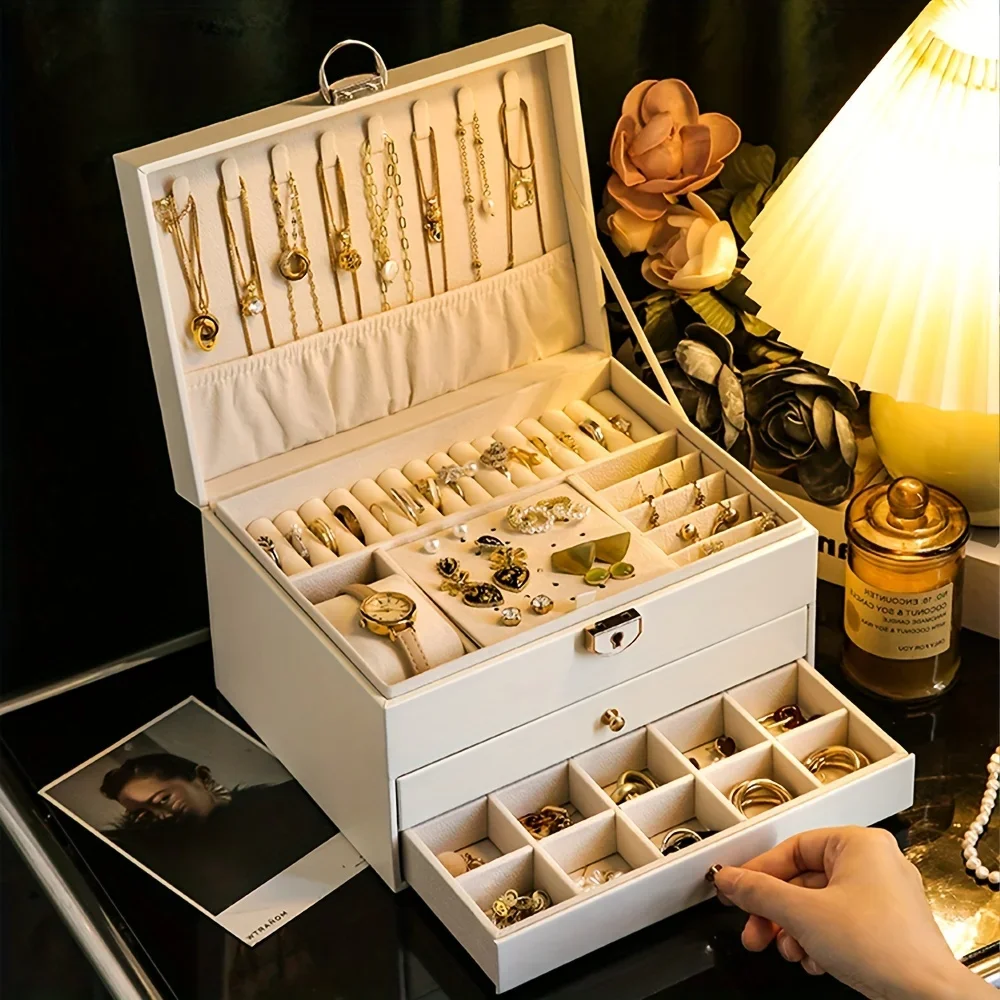
Eight jewelry box structures available at UGI Packaging
The structural format of a jewelry gift box determines everything downstream: which insert systems are compatible, how the box performs in transit, how it presents at retail, and what printing and surface finishing methods can be applied. UGI Packaging manufactures 8 distinct structural types, each engineered for a specific position within the luxury jewelry packaging market.
01
Magnetic Closure Rigid Box
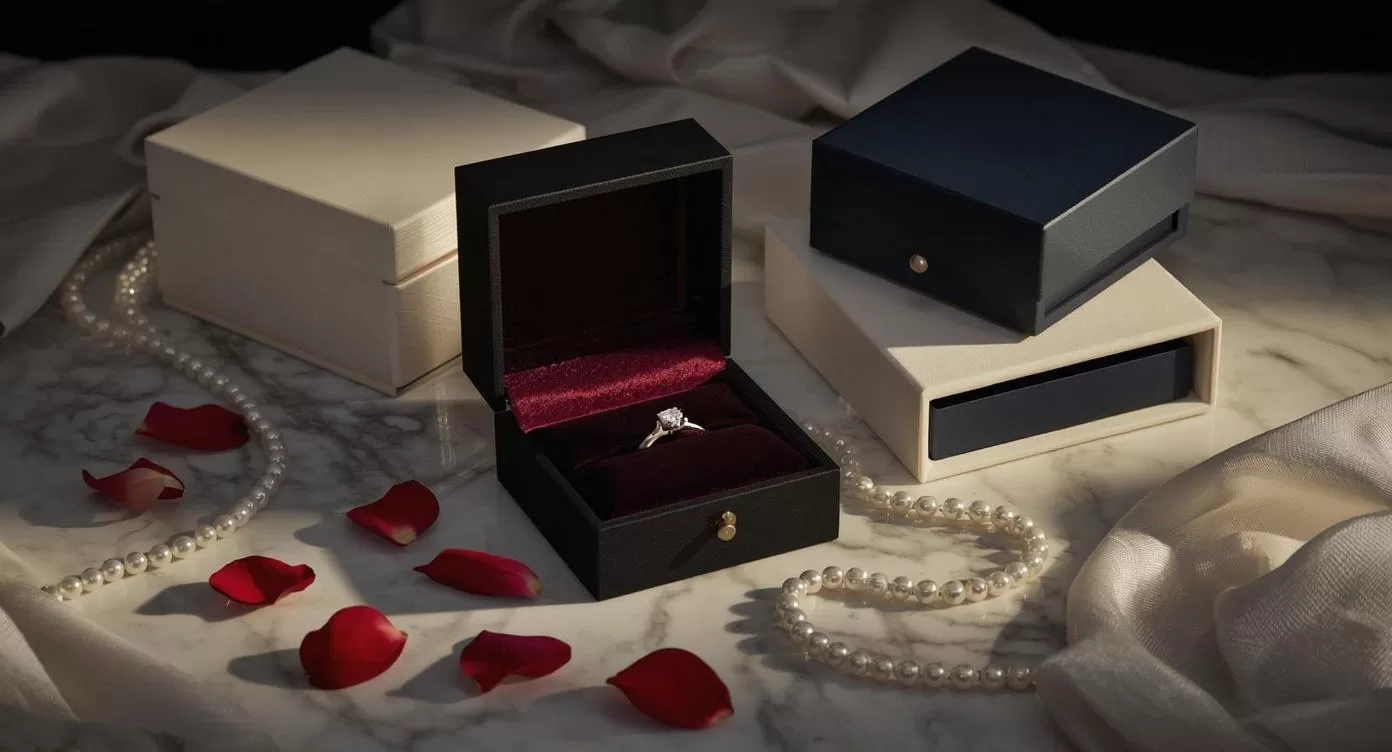
The most widely specified structure in UGI Packaging’s jewelry gift box range. A greyboard core wrapped in art paper or specialty paper, with N52 neodymium magnets embedded in the lid and base perimeter. The magnetic closure delivers a precise, tactile shut that signals quality without mechanical hardware. Lid-to-body fit tolerance: ±0.3mm. Available in square, rectangular, and custom footprint configurations.
Best for: Rings, earrings, pendants, branded retail gifting
Insert options: Velvet tray, EVA foam, flocked paper tray
MOQ: 100 units
02
Book-Style Clamshell Box
A spine-bound structure that opens like a hardcover book to reveal the jewelry presentation inside. The interior lid surface provides a premium branding canvas — debossed, foil-stamped, or printed with brand heritage messaging. Particularly effective for sets that include a ring and matching earrings, or a necklace and pendant combination. The book format naturally suggests “story” and is popular with heritage jewelry brands.
Best for: Jewelry sets, anniversary editions, collector pieces
Insert options: Dual-compartment velvet tray, silk-padded base
MOQ: 200 units
03
Drawer-Style Slide Box
An inner velvet-lined tray slides smoothly from a decorative outer sleeve, presenting the jewelry in a controlled, theatrical reveal. The sliding mechanism uses a satin ribbon pull tab. UGI Packaging engineers the sleeve-to-tray clearance to 0.5–0.8mm for smooth extraction without looseness. Available in single-tier and double-tier drawer configurations for complex sets.
Best for: Bracelets, watches, layered jewelry sets
Insert options: Velvet pillow, EVA foam slot, satin-lined tray
MOQ: 200 units
04
Lid & Base (Telescope) Box
A two-piece construction where the lid fits over the base with a defined overlap — typically 15–25mm. This is the most structurally rigid format in UGI Packaging’s jewelry range, providing maximum compression resistance during stacking and transit. The separate lid allows for independent decoration on top, sides, and interior surfaces. Widely used by fine jewelry brands for ring boxes and single-pendant presentations.
Best for: Rings, single pendants, retail counter display
Insert options: Ring slot foam, velvet cushion, pillow insert
MOQ: 200 units
An eight-sided rigid box structure that immediately distinguishes itself at retail through its non-standard geometry. UGI Packaging produces octagonal jewelry boxes in both lid-and-base and hinged-lid configurations. The angled side panels create additional surface area for branding and decoration. Structurally, the octagonal form distributes corner impact force across more panel edges, improving drop resistance compared to square formats.
Best for: Statement gifting, limited editions, luxury retail
Insert options: Custom-cut EVA, velvet tray, silk base
MOQ: 300 units
A circular-format rigid box produced from spiral-wound board or solid greyboard, with a friction-fit or hinged lid. The round format is ideal for bangles, cuffs, and circular pendants. UGI Packaging produces cylinder jewelry boxes with interior diameter tolerances of ±1mm and offers velvet-lined interior walls with a padded base platform to suspend the jewelry centrally in the box.
Best for: Bangles, cuffs, round pendants, brooches
Insert options: Velvet-lined walls, padded base platform
MOQ: 300 units
07
Hinged Wooden Jewelry Chest
A solid wood or MDF-cored jewelry chest with piano hinges, available in walnut, cherry, and maple veneers or painted finishes. This structure is positioned as the premium end of UGI Packaging’s jewelry box range — intended as a keepsake object that the recipient will retain long after the jewelry has been worn. Interior features adjustable compartments with velvet lining and optional lock mechanism.
Best for: High-value sets, heirloom gifting, VIP client gifts
Insert options: Adjustable velvet compartments, ring rolls, mirror
MOQ: 50 units
08
Folding Flat-Pack Gift Box
A die-cut rigid board box that ships flat and assembles in seconds without adhesive — ideal for e-commerce brands managing storage costs and DTC fulfillment operations. UGI Packaging’s flat-pack jewelry box uses a scored and folded greyboard construction with auto-lock base, achieving a structural rigidity of 85–90% of an equivalent assembled rigid box. Compatible with automated fulfillment line packing.
Best for: E-commerce DTC, subscription boxes, high-volume gifting
Insert options: Pre-inserted velvet tray, foam pad
MOQ: 500 units
“
UGI Packaging manufactures all 8 luxury jewelry gift box structural formats under one roof in Guangzhou — enabling buyers to evaluate and compare structures using identical materials, insert specifications, and surface finishes, eliminating the quality inconsistency risks of multi-vendor sourcing.
👉 Scroll table left/right to view all columns
| Structure |
Primary Use |
Insert System |
MOQ |
| Magnetic Closure Rigid | Rings, earrings, pendants | Velvet tray / EVA foam | 100 units |
| Book-Style Clamshell | Jewelry sets, anniversary | Dual velvet tray / silk pad | 200 units |
| Drawer Slide | Bracelets, watches | Velvet pillow / EVA slot | 200 units |
| Lid & Base Telescope | Rings, single pendants | Ring slot / velvet cushion | 200 units |
| Octagonal Box | Limited editions, retail | Custom EVA / velvet tray | 300 units |
| Round Cylinder | Bangles, cuffs | Velvet-lined walls | 300 units |
| Hinged Wooden Chest | High-value sets, VIP gifts | Adjustable velvet compartments | 50 units |
| Folding Flat-Pack | E-commerce DTC | Pre-inserted velvet tray | 500 units |
UGI Packaging recommends buyers make structure selection based on three primary criteria: the jewelry type being packaged, the sales channel (retail counter, e-commerce, or gifting), and the intended post-purchase lifespan of the box. A magnetic closure rigid box is the optimal balance of cost and presentation quality for most retail applications. For high-value heirloom pieces, the hinged wooden chest delivers an experience that outlasts the purchase occasion. Contact UGI Packaging for a free structure recommendation consultation.
03
Materials: Outer Shell & Interior Lining for Jewelry Boxes
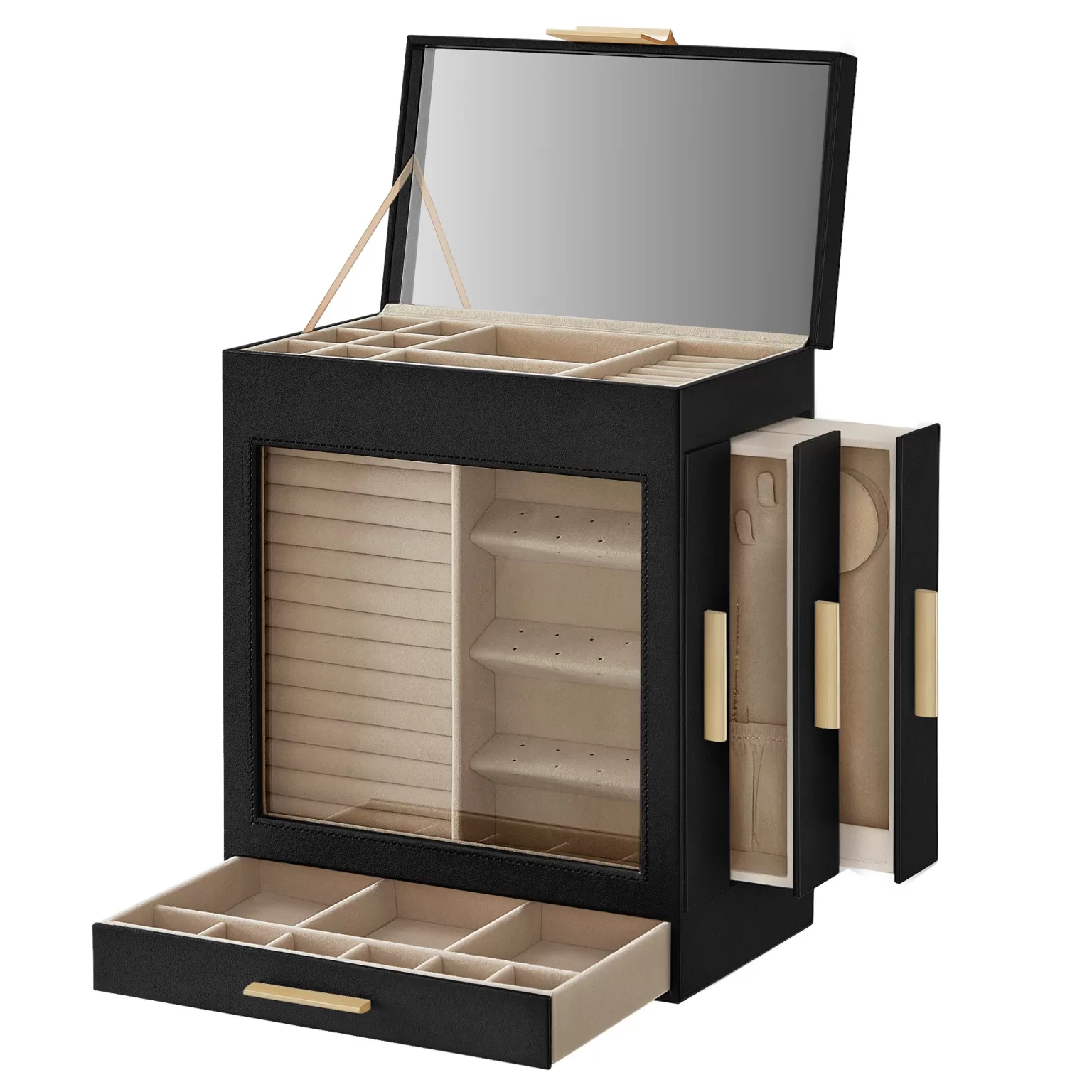
Interior lining material options at UGI Packaging — velvet, silk, and EVA foam
Material selection in luxury jewelry gift box manufacturing operates across two parallel tracks: the outer shell materials that establish structural integrity and visual identity, and the interior lining materials that directly contact the jewelry and govern both protection quality and tactile luxury. Both tracks must meet the same standard: materials that perform consistently across the full production run, not just on the pre-production sample.
Outer Shell Materials
Greyboard (Chipboard)
Compressed recycled paper pulp board, 1,500–3,000 gsm, used as the structural core of all paper-over-board rigid jewelry boxes. UGI Packaging specifies greyboard meeting GB/T 22364-2008 flatness and moisture content standards. Available in thicknesses from 1.5mm to 4mm. Density: 0.85–1.05 g/cm³. The higher the greyboard density, the more resistant the box is to compression deformation during stacking in transit.
Art Coated Paper (C1S / C2S)
157–350 gsm single or double-sided coated paper wrapped over the greyboard core. Provides the primary print surface for offset lithography, foil stamping, and UV coating. UGI Packaging uses
FSC-certified art paper from domestic and European mills, whiteness rating 92–96 ISO. The paper-to-board bond is applied with water-based PVA adhesive at 2–3 g/m² dry weight, achieving a minimum peel strength of 3 N/25mm.
Specialty Decorative Papers
Linen-texture, leather-grain, pearlescent, and cotton-feel papers used in place of standard art paper for a premium tactile exterior. Grammage range: 90–180 gsm. Texture depth: 0.05–0.15mm. UGI Packaging stocks 200+ specialty paper colorways including metallic pearl, deep suede, and raw cotton variants particularly popular for luxury jewelry brands targeting a naturalistic aesthetic.
PU Leather & Faux Leather
Polyurethane leather wrap applied over greyboard produces a soft, warm exterior with premium tactile characteristics close to genuine leather at a fraction of the cost. UGI Packaging uses 0.8–1.2mm PU leather with a backing fabric layer, bonded with hot-melt adhesive. Available in smooth, pebble-grain, croco-grain, and linen-emboss surface patterns. Colour range: 60+ standard options including cream, black, blush pink, navy, and forest green.
MDF & Solid Wood
E0-grade MDF (formaldehyde emission ≤ 0.05mg/m³) and PEFC-certified solid hardwoods (walnut, cherry, maple) for hinged jewelry chest formats. All wood panels kiln-dried to 6–8% moisture content before machining. MDF panels are stable, warp-resistant, and accept paint, veneer, or lacquer finishes uniformly. Solid wood panels are manually grain-matched on visible faces for aesthetic consistency across units in the same production batch.
Metal Hardware & Accents
Zinc alloy or brass hinges, clasps, corner guards, and decorative pulls. All hardware electroplated with gold, silver, rose gold, antique brass, or matte black finishes. Salt-spray resistance rating: minimum 500 hours (ISO 9227). Magnetic closure components use N52 neodymium magnets rated for 50,000+ open/close cycles without measurable strength reduction.
“
UGI Packaging uses only E0-grade MDF (formaldehyde emission ≤ 0.05 mg/m³) in all jewelry chest products destined for EU and North American markets — exceeding the CARB Phase 2 standard and enabling import compliance documentation for buyers requiring material safety certification.
Interior Lining Materials
Cut-Pile Velvet
180–220 gsm cut-pile velvet is the most widely specified interior lining in premium jewelry packaging. The dense pile surface is soft enough to prevent scratching of polished metal surfaces while providing sufficient grip to hold jewelry securely without adhesive. UGI Packaging uses velvet with a pile height of 1.5–2.5mm and a minimum pile density of 120,000 tufts/cm². Colour fastness: Grade 4 minimum (ISO 105-B02). Available in 40+ standard colorways.
Silk & Satin
19–22 momme silk satin or polyester satin substitute used for high-gloss interior lining in ultra-premium jewelry boxes. The smooth, reflective surface creates a visual contrast with dark exterior finishes and provides a naturally non-abrasive contact surface for fine metal jewellery. UGI Packaging bonds satin lining to a 2mm foam backing layer before application to maintain smooth surface tension without rippling or sagging.
EVA Foam
Ethylene-vinyl acetate closed-cell foam, density 30–80 kg/m³, CNC-routed to custom jewelry profiles. Chemically inert and non-reactive with precious metals, silver, or plated finishes. UGI Packaging cuts EVA to ±0.5mm dimensional tolerance, enabling snug-fit ring slots, necklace channels, and earring cavities that hold jewelry without movement during transit. Shore A hardness: 20–50, selectable by application.
Flocked Paper & Board
Nylon or polyester fibre electrostatically applied to a paper or board substrate, creating a velvet-like surface at lower cost than cut-pile velvet. Flock fibre length: 0.5–1.5mm. UGI Packaging’s flocking process achieves 95%+ surface coverage uniformity. Commonly used for large interior panels, tray base coverage, and insert surrounds where full velvet fabric is cost-prohibitive for the target price point.
Cotton Wadding & Pillow Fill
100% cotton or polyester wadding used as the internal cushioning layer beneath silk or velvet surface fabric. Creates a soft, yielding pillow effect that conforms gently to irregular jewelry shapes. Density: 100–200 g/m². UGI Packaging applies wadding in 5–15mm compressed thickness depending on the desired pillow depth, bonded to the lining fabric with water-based adhesive to prevent internal movement.
Microfibre & Suede-Effect Fabric
150 gsm microfibre fabric with a suede-like hand feel, increasingly specified by contemporary jewelry brands seeking a modern alternative to traditional velvet. The tight weave and ultra-fine fibre construction produces a surface that is exceptionally resistant to lint and dust accumulation — a practical advantage for retail display environments where boxes are handled repeatedly by customers.
👉 Scroll table left/right to view all columns
| Lining Material |
Tactile Quality |
Scratch Protection |
Cost Index |
Best Application |
| Cut-Pile Velvet | Premium soft luxury | Excellent | ★★★★☆ | Rings, pendants, retail gift boxes |
| Silk / Satin | Ultra-premium gloss | Excellent | ★★★★★ | High-value sets, wooden chests |
| EVA Foam | Functional protective | Very Good | ★★★☆☆ | Custom insert trays, e-commerce |
| Flocked Paper | Velvet-like surface | Good | ★★☆☆☆ | Budget mid-range, large trays |
| Cotton Wadding | Soft pillow effect | Good | ★★★☆☆ | Pillow-style inserts under fabric |
| Microfibre / Suede | Modern soft-touch | Very Good | ★★★★☆ | Contemporary brands, retail display |
04
Insert & Tray Engineering: How UGI Packaging Protects Every Jewel
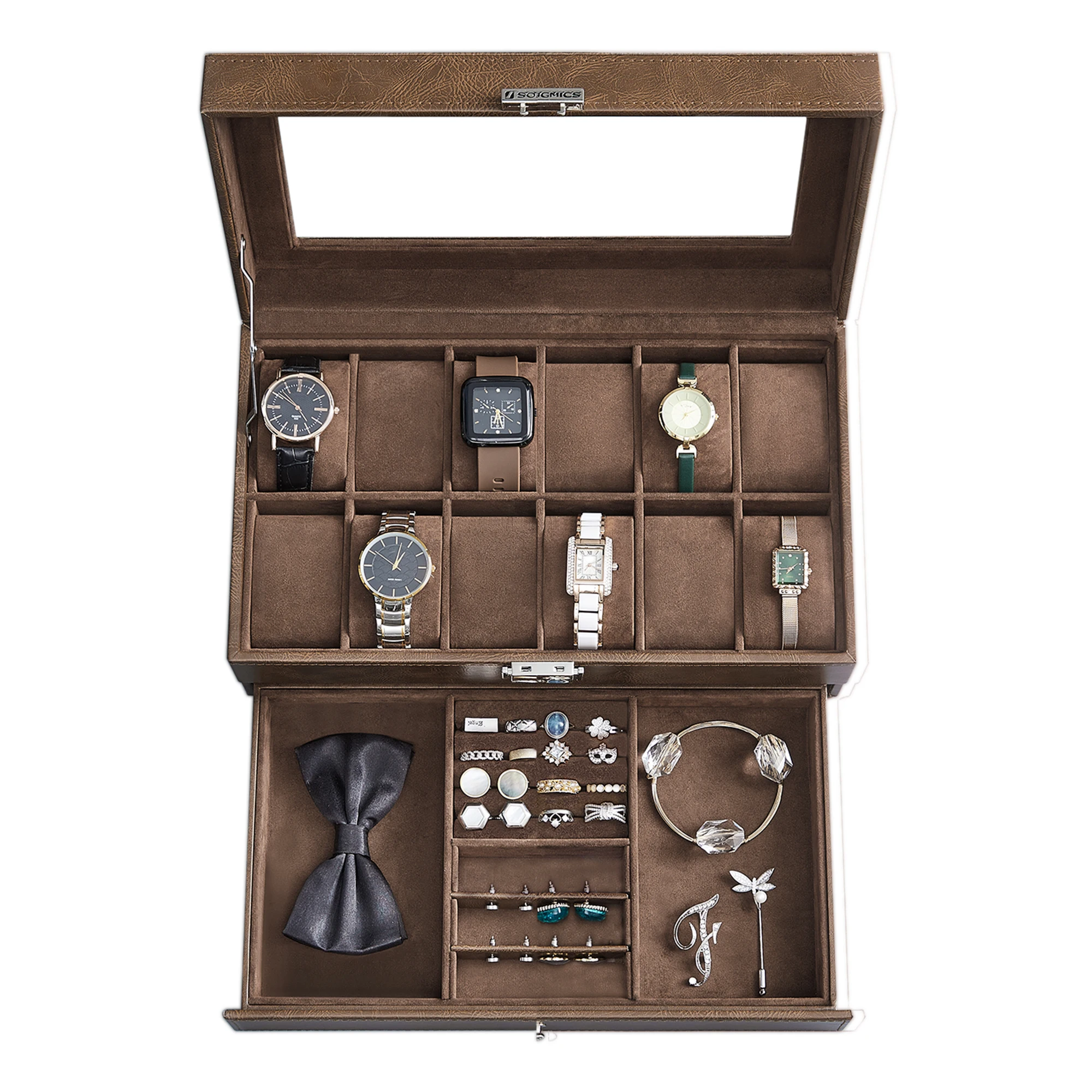
CNC-cut EVA insert with ring slots and necklace channel — UGI Packaging
The insert system is arguably the most technically demanding component of any jewelry gift box. A box that looks stunning on the outside but fails to hold a ring securely during courier delivery, or whose necklace hook tears the chain during unboxing, has failed at its most fundamental function. UGI Packaging’s insert engineering team designs every tray system to specific jewelry dimensions, material properties, and transit conditions — not to generic standard templates.
“
UGI Packaging’s CNC foam insert cutting system achieves a dimensional tolerance of ±0.5mm across all jewelry cavity profiles — enabling ring slots, necklace channels, and earring holes that hold each piece securely without the contact pressure that causes scratching or deformation of delicate plated finishes.
Insert System Types by Jewelry Category
Ring Insert Systems
Ring slots are CNC-routed into EVA foam to the exact ring band diameter plus a 0.5mm tolerance allowance. UGI Packaging engineers ring slots in three standard depth configurations — shallow (8mm, for slender bands), standard (12mm, for most engagement and fashion rings), and deep (18mm, for wide bands and cocktail rings). The slot interior is covered with cut-pile velvet bonded at the foam channel walls to prevent direct foam-to-metal contact. Multiple ring slots can be arranged in a single tray for set presentations.
Necklace & Chain Insert Systems
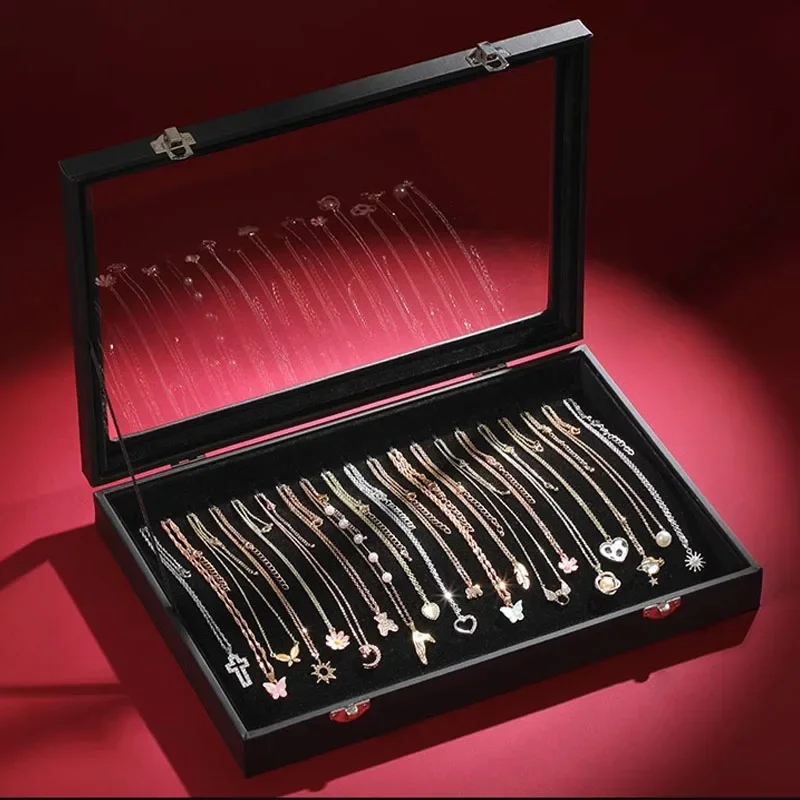
Necklace presentations use one of three insert approaches depending on chain length and pendant size. Short chains (up to 45cm) are presented on a velvet-covered foam platform with a concealed plastic hook at the top edge. Medium chains (45–75cm) are looped through a D-ring or satin ribbon guide and folded into a larger rectangular tray. Long chains and statement necklaces use a full-width padded silk platform with removable pendant display stand. All necklace hooks are plastic (not metal) to prevent chain kinking.
Earring Insert Systems
Stud earrings are presented on a velvet-covered foam pad with pre-punched holes at 8–12mm spacing for the earring posts, held by butterfly backs inserted from the reverse. Drop earrings and hoops are suspended from a velvet-wrapped horizontal bar insert, allowing the full earring form to be displayed. UGI Packaging produces earring insert trays in standard 2-pair, 3-pair, and 6-pair configurations, with fully custom layouts for branded retail earring collections of any size.
Bracelet & Bangle Systems
Bangles and rigid bracelets are presented on a cylindrical velvet-covered foam pillow insert sized to the internal bangle diameter plus 5–8mm clearance — enough to allow easy removal without causing the bangle to slide during transit. Flexible bracelets and charm bracelets are coiled around a flat velvet-covered disk or laid flat in a shaped EVA channel. UGI Packaging provides T-bar pillow inserts for tennis bracelets and chains that benefit from a linear presentation format.
Multi-Piece Set Trays
Combination trays for jewelry sets — ring + earrings, necklace + pendant, bracelet + earrings — require precisely engineered spatial layout to ensure each piece is visible, protected, and easily retrievable without disturbing adjacent items. UGI Packaging designs multi-piece trays using a modular compartment system where each zone can be specified independently: velvet pad, EVA slot, satin pillow, or hook bar. Full 3D tray layout renders are provided for client approval before tooling is produced.
Watch & Large Accessory Trays
Watch trays feature a curved foam pillow that replicates the ergonomic form of a wrist, displaying the watch at a natural 15° angle for optimal visual impact. The pillow is wrapped in suede or velvet and mounted on a base platform that allows the watch to be lifted clear of the box without scratching the case back on the tray edges. UGI Packaging produces standard watch pillow diameters of 38mm, 42mm, and 46mm to match the most common case diameter ranges.
Insert Production Process
4-Step Insert Manufacturing Workflow
1
Jewelry Dimension Capture
Client submits actual jewelry samples or precise CAD dimension files. UGI Packaging measures ring band width, necklace chain diameter, earring post spacing, and bangle inner diameter using calibrated digital calipers (±0.01mm accuracy). These measurements drive the CNC cutting file for the foam insert.
2
CNC Foam Cutting
EVA foam blanks are loaded onto UGI Packaging’s CNC routing tables and cut to the client-approved tray layout file. Cutting tolerance: ±0.5mm on all cavity dimensions. After cutting, foam edges are inspected for clean profiles — any torn or compressed edges are rejected and recut before velvet bonding proceeds.
3
Fabric Bonding & Wrapping
Velvet, satin, or microfibre fabric is cut to panel size and bonded to the foam surface using water-based contact adhesive applied at 18–22 g/m². The fabric is hand-pressed and smoothed into all cavities and channels to ensure zero air pockets or wrinkles. Corner tension is managed manually by trained operators to maintain uniform pile direction across the full tray surface.
4
Fitment Verification
Finished insert trays are test-fitted with actual jewelry samples against the golden sample tray. Fitment criteria: ring slots must accept the ring with finger pressure and retain it through 180° inversion without release. Necklace hooks must support the chain weight through 30 minutes of vibration simulation without displacement. Any tray failing fitment verification is reworked or scrapped before assembly into the box.
“
Every insert tray produced by UGI Packaging undergoes a physical fitment verification test using actual client jewelry samples — ring slots must retain the ring through 180° inversion and necklace hooks must hold chain weight through vibration simulation before any tray is approved for bulk assembly.
UGI Packaging (ukugi.com) maintains a library of over 120 standard insert tray templates covering the most common jewelry dimensions in the fine jewelry, fashion jewelry, and accessory markets. For brands with non-standard jewelry dimensions or complex set configurations, our insert engineering team produces fully custom tray layouts with 3D digital renders provided for approval before any physical tooling is produced. This eliminates the risk of discovering fitment problems only after the bulk production run has been completed. Visit ukugi.com/custom-service to request an insert engineering consultation.
05
Printing Technology: 6 Methods for Jewelry Box Decoration
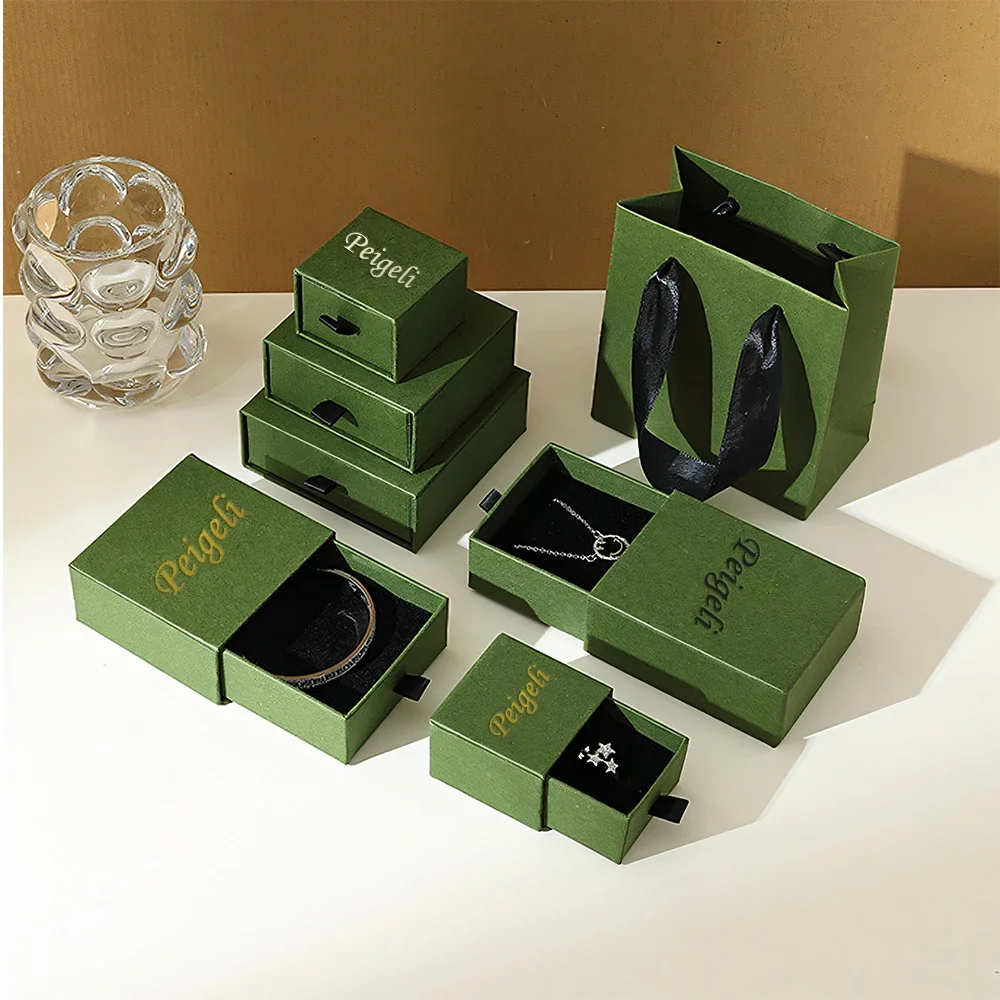
Gold foil stamping and spot UV on a luxury jewelry gift box — UGI Packaging
In luxury jewelry packaging, the exterior decoration of the box is not supplementary to the brand experience — it is the brand experience at the moment of first contact. Before the lid is opened, the box communicates the brand’s quality positioning, aesthetic identity, and price tier entirely through its printed and decorated surface. UGI Packaging operates 6 distinct printing and decoration technologies within a single Guangzhou production facility, enabling the layered, multi-method decoration specifications that luxury jewelry brands demand.
Offset Lithography (CMYK + Pantone)
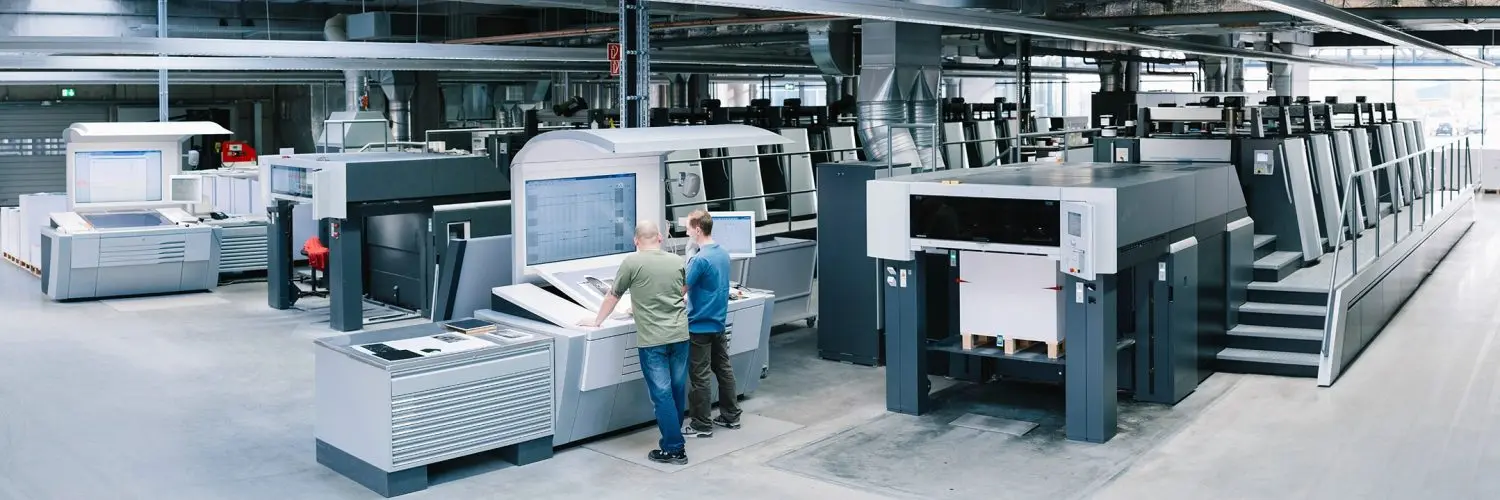
The foundation print method for all paper-surfaced jewelry boxes at UGI Packaging. Four-colour process (CMYK) supplemented with up to 2 Pantone spot colours per job, enabling precise brand colour matching across production runs. Our Heidelberg presses deliver 300 lpi screen frequency for photographic-quality artwork reproduction. Colour consistency is maintained to ΔE ≤ 2 against the approved contract proof throughout the full production run (per ISO 12647-2 colour accuracy standards) — not just on the opening sheets.
Max sheet size: 1,050 × 740 mm
Resolution: 300 lpi
Colour accuracy: ΔE ≤ 2 (ISO 12647-2)
Pantone matching: Up to 2 spot colours per job
Hot Foil Stamping
The single most requested print enhancement for luxury jewelry boxes. A heated brass die (90–120°C) transfers a metallic or holographic foil carrier film onto the substrate, creating a mirror-finish impression that no ink-based printing method can replicate. UGI Packaging stocks 80+ foil variants including 23-carat gold, platinum silver, rose gold, champagne, holographic rainbow, and matte coloured foils. Minimum reproducible feature size: 0.3mm type height — sufficient for fine logo serifs and delicate monogram lettering.
Die temperature: 90–120°C
Press force: 250–350 kg/cm²
Min. feature size: 0.3mm
Foil stock: 80+ variants including gold, silver, rose gold, holographic
UV Spot Coating
Ultraviolet-cured varnish applied in precise artwork areas over a matte-laminated base, creating a high-contrast gloss accent that appears to float above the surface. The visual depth achieved by matte-plus-spot-UV combination is particularly effective on dark jewelry box colours — black, navy, deep burgundy — where the gloss UV creates a dramatic dimensional contrast. UGI Packaging achieves UV layer thickness of 8–12 microns with registration accuracy of ±0.2mm to underlying printed artwork.
UV layer thickness: 8–12 microns
Gloss level: 85–95 GU (60° geometry)
Registration accuracy: ±0.2mm
Available variants: High-gloss, satin, frosted UV
Blind Embossing & Debossing
Male and female steel dies pressed at 8–15 tonnes into the substrate surface create a three-dimensional relief impression with no ink or foil — just the texture of the paper or leather itself raised or recessed into a permanent form. Blind embossing is the preferred decoration technique for minimalist luxury jewelry brands where the logo or pattern is intended to be felt as much as seen. UGI Packaging produces combined foil-emboss dies that simultaneously stamp foil and create a raised impression in a single press operation.
Relief depth: 0.3–1.5mm
Press force: 8–15 tonnes
Die material: Etched brass or magnesium
Combined option: Foil + emboss in single operation
Screen Printing
Ink forced through a woven mesh screen deposits significantly more ink volume per pass than offset lithography — typically 15–30 microns versus 3–5 microns — producing richer, more opaque colour saturation. Particularly effective for white ink on dark or coloured substrates, and for specialty effect inks including metallic, pearlescent, and thermochromic formulations. UGI Packaging uses screen printing for logo decoration on PU leather surfaces and fabric-wrapped jewelry boxes where offset printing is not applicable.
Ink deposit: 15–30 microns per pass
Mesh count: 80–230 threads/inch
Special inks: Metallic, pearlescent, thermochromic
Substrates: PU leather, fabric, wood, paper, acrylic
Digital Inkjet Printing
UV-cured inkjet printing at 1,200 dpi directly onto rigid substrates up to 50mm in thickness. Particularly valuable for personalisation programs — engraving recipient names, event dates, or unique reference numbers onto assembled box components without tooling or plate costs. UGI Packaging’s digital press enables short-run colour changes and variable data printing across a single production run, supporting limited-edition jewelry collections where each box carries unique identifying information.
Resolution: 1,200 dpi
Max substrate thickness: 50mm
Min. order: 1 unit (variable data)
Zero tooling cost for short runs and personalisation
“
UGI Packaging’s hot foil stamping capability covers 80+ foil variants — including 23-carat gold, platinum silver, rose gold, and holographic rainbow — with a minimum reproducible feature size of 0.3mm, enabling fine logo serifs and delicate monogram lettering at production scale on luxury jewelry gift boxes.
👉 Scroll table left/right to view all columns
| Method |
Primary Effect |
Tooling Cost |
MOQ Threshold |
Best Combination |
| Offset Lithography | Full colour image reproduction | Low ($80–200 plates) | 100+ units | + UV Spot + Foil Stamp |
| Hot Foil Stamping | Metallic mirror-finish accent | Medium ($150–400 die) | 100+ units | + Emboss + Matte lam |
| UV Spot Coating | Gloss/matte contrast | Low ($50–120 screen) | 100+ units | + Matte lamination base |
| Blind Emboss/Deboss | 3D tactile relief, no colour | High ($300–800 steel die) | 200+ units | + Foil (combo die) |
| Screen Printing | Opaque colour on dark/fabric | Low-Medium ($60–150) | 100+ units | On PU leather / fabric |
| Digital Inkjet | Variable data, short run | Zero tooling | 1 unit | Personalisation programs |
UGI Packaging recommends the “Three-Layer Decoration Rule” for premium jewelry boxes: one broad-coverage base method (offset), one focal-point enhancement (foil stamp or emboss on the logo area), and one surface-unifying finish (matte lamination or soft-touch). This approach creates a result that reads as expensive at first glance and rewards close inspection with additional tactile and visual depth — the precise effect a jewelry brand needs to justify its price point at the retail counter or at the moment of unboxing an e-commerce delivery.
06
Surface Finish Encyclopedia: 8 Finishes from Soft-Touch to Piano Lacquer
Surface finishing converts a structurally complete, printed jewelry gift box into a tactile luxury object. In a category where consumers handle the box repeatedly — at point of purchase, during gifting, at unboxing, and again when retrieving jewelry from storage — the long-term durability and sensory consistency of the surface finish is as commercially important as its initial visual impact. UGI Packaging offers 8 surface finish categories, each with full technical parameters documented below.
01 — Matte Lamination
A 12–18 micron BOPP film thermally laminated to the printed surface, reducing gloss to 3–8 GU (60°). The result is a clean, anti-reflective surface that photographs extremely well for e-commerce imagery and conveys the understated luxury aesthetic preferred by contemporary fine jewelry brands. Scratch resistance: 500g/100 cycles (ASTM D4060). The most widely specified base finish across UGI Packaging’s jewelry box range.
02 — Gloss Lamination
The same BOPP process as matte but using a high-gloss film delivering 85–95 GU. Gloss lamination amplifies print colour saturation by approximately 15–20%, making it the preferred choice for jewelry boxes with photographic imagery, rich jewel-tone colours, or designs where maximum visual impact at retail shelf level is the priority. Moisture barrier: WVTR 3–5 g/m²/day. Film thickness: 12–18 microns.
03 — Soft-Touch Lamination
A specialised matte lamination film with a microscopically textured surface coating that produces a rubber-like, velvety tactile sensation — typically described as “skin touch” or “suede finish.” Coefficient of friction: 0.6–0.8 (vs 0.2–0.3 for standard matte). Gloss: 2–5 GU. This is UGI Packaging’s most requested premium surface upgrade for jewelry gift boxes — the exterior tactile quality it creates directly reinforces the softness expectation set by the velvet interior lining.
04 — Spot UV Coating
Applied over a matte lamination base, UV varnish silk-screened in defined artwork areas and cured under UV lamps. The contrast between dull matte field and bright UV-gloss accent creates a dimensional depth effect that is the visual hallmark of premium-tier jewelry packaging. UGI Packaging achieves registration accuracy of ±0.2mm. Available in standard high-gloss, satin-gloss, and frosted UV variants — frosted UV over matte creates a particularly sophisticated dual-texture effect.
05 — Hot Foil Stamping (as Surface Finish)
Classified both as a printing method and a surface finish, hot foil stamping fundamentally transforms the surface character of a jewelry box panel. A gold or silver foil-stamped logo on a soft-touch matte black box is one of the most commercially effective decoration combinations in luxury jewelry packaging — and one that UGI Packaging produces on hundreds of thousands of units annually. Foil adhesion: no transfer on Scotch tape pull test (ASTM D3359). Durability: 100+ rub cycles (ASTM D5264).
06 — Texture Embossing
Large-area texture dies applied across the full panel surface create uniform tactile patterns — linen weave, croco grain, canvas texture, wave pattern, or custom designs. Texture depth: 0.05–0.3mm. Applied blind (no colour change) or in register over a printed base. Particularly effective on PU leather-wrapped jewelry boxes where the texture reinforces the leather aesthetic, and on specialty paper wraps where texture adds a material dimension that plain paper cannot achieve.
07 — Piano Lacquer
Multiple coats of polyurethane lacquer applied to wood or MDF surfaces, wet-sanded between coats and machine-buffed to a mirror finish. UGI Packaging’s piano lacquer process: 5–7 coats (primer + intermediate + topcoats), wet-sanded at 800, 1200, and 2000 grit progressions, buffed to 95+ GU. Available in any RAL or Pantone colour. The piano lacquer hinged jewelry chest is the flagship product of UGI Packaging’s premium jewelry box range — an object with a finish quality comparable to high-end musical instruments and luxury furniture.
08 — Pearlescent & Metallic Specialty Paper
A wrap-stage finish rather than a post-print application — pearlescent, metallic sheen, and colour-shift specialty papers replace standard art paper as the exterior wrapping material. These papers require no lamination to achieve a luxury finish: the inherent paper surface delivers an iridescent, light-reactive quality that changes appearance under different lighting conditions. Particularly effective for bridal jewelry, anniversary gifting, and seasonal limited editions. UGI Packaging stocks 40+ pearlescent and metallic paper colorways in weights from 90 to 180 gsm.
“
Soft-touch lamination is UGI Packaging’s most requested exterior surface upgrade for luxury jewelry gift boxes — the velvety tactile quality of the exterior (CoF 0.6–0.8) directly reinforces the softness expectation created by the velvet interior lining, producing a fully coherent luxury sensory experience from first touch to unboxing.
✅ UGI Packaging Tip: The most commercially effective combination for premium jewelry gift boxes is: soft-touch matte lamination (base) + gold or rose gold hot foil stamp (logo focal point) + spot UV (decorative pattern or brand elements). This three-layer specification creates a result that reads as expensive at a distance, rewards close inspection with detail, and maintains durability through repeated handling by retail customers. Request a finish sample set from UGI Packaging (ukugi.com) to evaluate all 8 finishes on actual box substrates before specifying.
UGI Packaging maintains a sample laboratory with 200+ current finish combination reference panels available for client review. Finish samples can be dispatched via DHL express to any location worldwide within 3–5 business days of request. For buyers who require finish evaluation on their specific box substrate and colour, UGI Packaging produces custom finish test panels using the client’s approved artwork and paper specification — a service included at no additional charge for qualified production enquiries.
07
Design Capabilities: From Brief to Prototype in 5 Steps
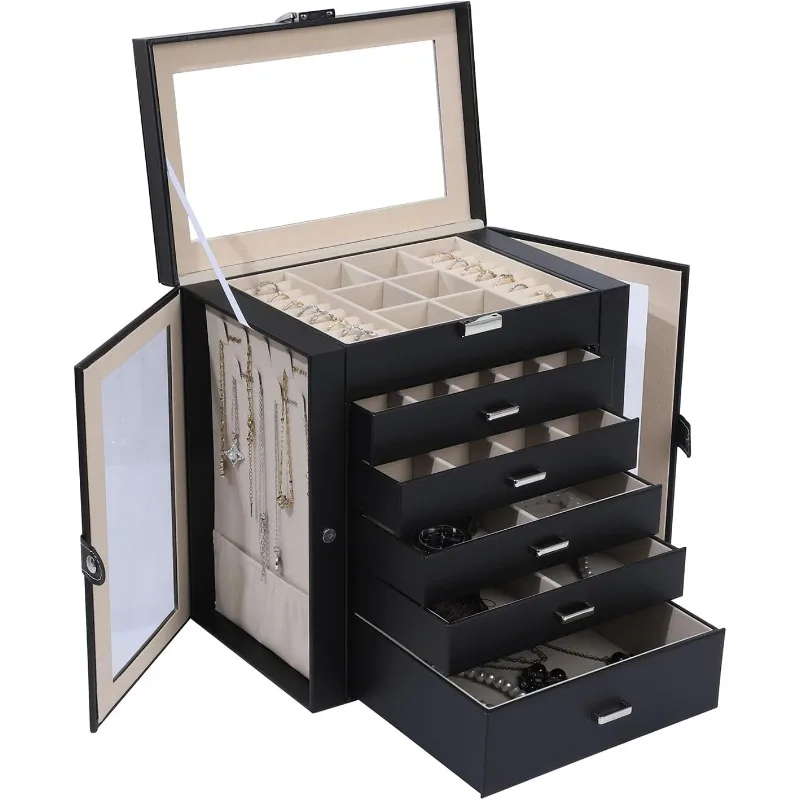
Design variety across UGI Packaging’s luxury jewelry gift box range
UGI Packaging’s design team functions as an embedded technical partner rather than a conventional packaging supplier. Our structural engineers and graphic designers work in parallel from the first briefing session — a workflow that resolves aesthetic goals and functional requirements simultaneously, rather than discovering structural conflicts after artwork has already been approved. For jewelry brands, this integrated approach is particularly valuable: the insert cavity dimensions, lid clearance tolerances, and closure mechanism selection all directly affect how the box looks, feels, and performs in the hands of the end recipient.
The 5-Step UGI Packaging Design-to-Sample Process
1
Technical Brief & Specification Lock
Client provides jewelry dimensions (piece type, dimensions, weight), target retail price point, key markets, preferred materials and colour palette, any existing brand identity files, and reference imagery. UGI Packaging’s project engineer completes a Specification Lock document defining structure type, greyboard grade, wrapping material, insert system, print method selection, and surface finish combination. All specifications confirmed in writing before design work begins. Typical duration: 1–2 business days.
2
Structural CAD Design & Insert Layout
Structural engineers produce a full die-line CAD drawing in DXF/AI format showing all fold lines, cut lines, panel dimensions, tolerance callouts, hardware placement, and magnet positioning. Simultaneously, the insert engineering team produces a tray layout CAD drawing showing all cavity profiles, foam grade specifications, fabric coverage zones, and ribbon or hook placements. Both files are shared with the client for review before any tooling or artwork production begins. Typical duration: 2–3 business days.
3
3D Rendering & Visual Proof
Once structural CAD is approved, UGI Packaging’s graphic designers apply brand artwork to a photorealistic 3D render of the assembled box, delivered in 8–10 viewing angles: closed exterior, open lid, interior tray detail, lid underside branding surface, and package group shots. Renders show foil, emboss, and UV elements with accurate light reflection simulation. Delivered as high-resolution JPEGs and an interactive 3D PDF file. Typical duration: 3–5 business days.
4
Physical Sample Production
Following visual approval, UGI Packaging produces 3–5 physical samples using production-equivalent equipment: live offset printing on production presses, actual foil stamping dies, real lamination films, CNC-cut EVA inserts wrapped in the specified fabric, and all hardware installed. Samples are not handmade paper mock-ups — they are materially identical to what will be delivered in bulk. Sample lead time: 7–10 business days from artwork sign-off. Express DHL shipping worldwide.
5
Golden Sample Sign-Off & Production Scheduling
Client reviews physical samples against the approved 3D renders and Specification Lock document. Any modifications trigger a revised sample round (typically 1–2 revision cycles). Once the client signs off the golden sample (封样), UGI Packaging retains it as the production reference standard. All bulk-production units are visually compared against the golden sample during Stage 5 pre-shipment QC inspection. The golden sample also serves as the legal quality reference for any post-shipment disputes.
“
UGI Packaging produces physical jewelry gift box samples on production-equivalent equipment — including live foil stamping dies, actual lamination films, and CNC-cut fabric-wrapped insert trays — meaning the sample a client approves is materially identical to the bulk order, with no quality gap between prototype and production.
Design Support Levels
Level 1 — Technical Production Support
Client supplies print-ready artwork. UGI Packaging provides structural CAD, pre-press file checking, foil and emboss artwork alignment, insert tray layout engineering, and colour proof review. No design fee. Included in standard production order pricing for all qualified enquiries.
Level 2 — Full Graphic & Structural Design
Client provides brand logo and guidelines. UGI Packaging designs the complete packaging artwork system: exterior all sides, interior lid surface, collar or insert card, and any tissue or ribbon accessories. Three design concept directions presented with 3D renders. Unlimited revisions to the approved direction. Design fee: project-based quotation.
Level 3 — Brand-to-Box Identity Package
Comprehensive identity and packaging creation for new jewelry brands. Includes logo design guidance, colour system, typography, and full packaging identity across box, insert card, tissue, ribbon, and outer shipper. Exclusive to clients placing a minimum production order with UGI Packaging (ukugi.com). Typical project duration: 4–6 weeks from brief to sample approval.
08
Quality Control: UGI Packaging’s 5-Stage Inspection System
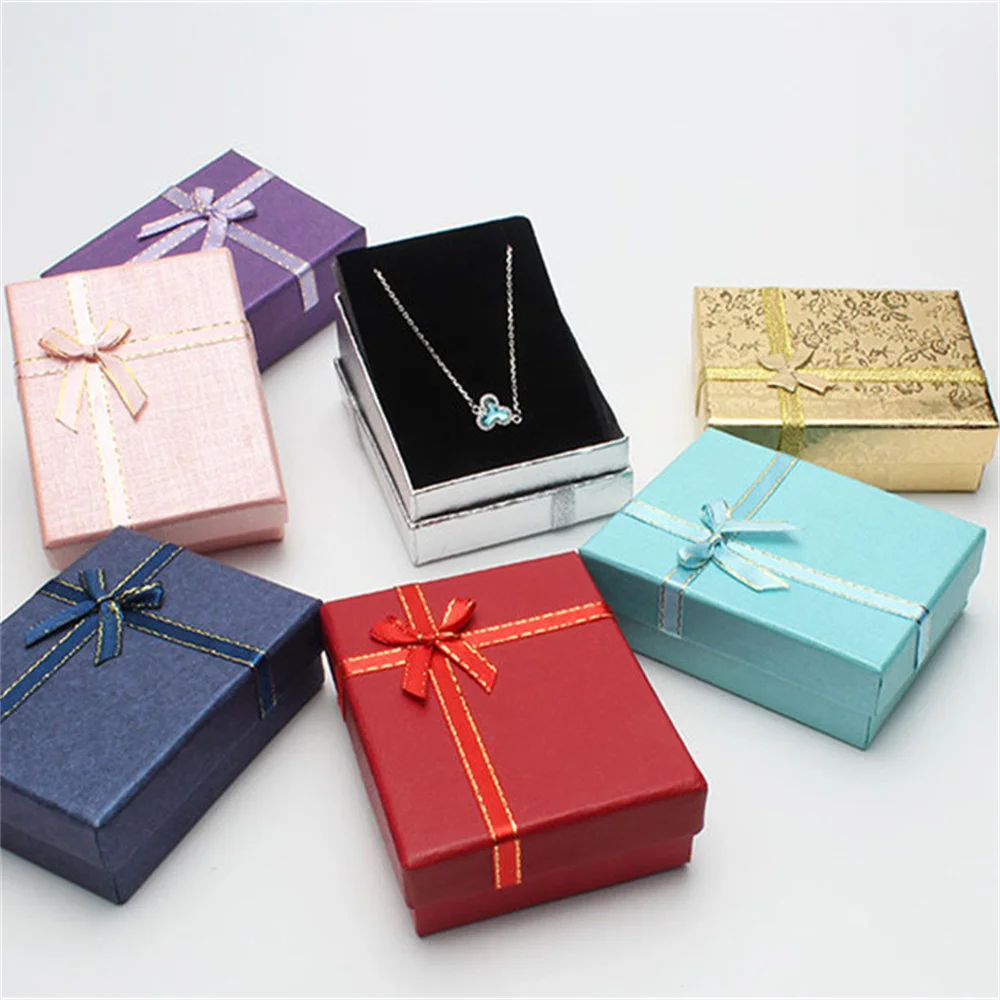
QC inspection at UGI Packaging’s Guangzhou facility
Quality control in premium jewelry gift box manufacturing is a sequential interception system, not a final-stage filter — a standard recognised across the
luxury packaging industry. By the time a defect becomes visible in a fully assembled, finished jewelry box, multiple production operations have already added cost and time to a compromised component. UGI Packaging’s 5-stage QC framework is designed to catch every category of defect at the earliest possible production point — when rectification is fastest and least costly.
The 5-Stage QC Inspection System
STAGE 1
Incoming Raw Material Inspection (IQC)
All incoming materials — greyboard, art paper, specialty papers, PU leather, MDF panels, velvet, satin, EVA foam, hardware, and lamination films — are batch-sampled and tested against specification on arrival. Testing includes: grammage/density verification (±2% tolerance), colour consistency against approved stock standard (ΔE ≤ 3), velvet pile density and colour fastness check (Grade 4 minimum, ISO 105-B02), EVA foam hardness measurement (Shore A ±5), and physical defect inspection. Defective material lots are quarantined and returned to supplier. No production begins until IQC sign-off is issued by the QC supervisor.
STAGE 2
Print & Colour Verification (IPQC — Post-Print)
The first 50 sheets of every print run are measured against the approved contract proof before the full run proceeds. Colour measurement uses X-Rite spectrophotometers at 5 fixed points per sheet layout. Accept criterion: ΔE ≤ 2 at all measurement points. Foil registration is verified using a calibrated 10× loupe against foil artwork registration marks (±0.2mm tolerance). UV spot coverage and cure completeness is tested with a UV lamp and adhesive tape pull test. Any run producing out-of-tolerance readings is stopped for press recalibration before continuing.
STAGE 3
Structural & Insert Integrity Testing (IPQC — Post-Assembly)
Assembled box samples are tested against the golden sample for structural performance. Tests include: lid open/close cycle test (500 cycles, no delamination or hinge failure), magnetic closure force measurement (target ±10% of specification), corner drop test (1.2m onto concrete, no structural failure), compression load test (200 kg for 60 minutes, no visible deformation), dimensional verification (external dimensions ±0.5mm), and insert fitment test (ring retention through 180° inversion, necklace hook vibration test). A 3% random sample of each production batch is subjected to the full test protocol.
STAGE 4
Surface Finish & Lining Durability Inspection
Finished surface is tested for adhesion, abrasion resistance, and appearance stability under repeated handling conditions. Lamination peel test: no delamination at 180° peel (ISO 11339). Foil adhesion: no transfer on Scotch tape pull test (ASTM D3359). UV coating scratch resistance: no visible damage at 500g/100 cycles (ASTM D4060). Velvet interior lining: colour fastness Grade 4 minimum (ISO 105-B02), no pile flattening under 200g compression load for 24 hours. Soft-touch coating CoF maintained within 0.55–0.85 range after 50 handling cycles.
STAGE 5
Pre-Shipment Final Audit (FQC)
A final 100% visual inspection is performed on every box before packing into shipping cartons. Each unit is compared against the golden sample under standardised D65 lighting at 500 lux. Rejection criteria: surface scratches greater than 5mm, colour deviation exceeding ΔE 3, delamination greater than 2mm, hardware misalignment greater than 1mm, velvet lining wrinkles or loose edges, or any structural failure. Reject rate target: less than 0.5%. All units failing FQC are repaired or replaced before shipment. Every order ships with a UGI Packaging QC inspection report and itemised packing list.
“
UGI Packaging’s 5-stage QC system targets a pre-shipment reject rate below 0.5% — achieved through 100% final visual inspection under D65 standardised lighting against the approved golden sample, combined with in-process structural, print, and surface finish testing that intercepts defects before they compound through downstream production operations.
👉 Scroll table left/right to view all columns
| QC Stage |
Key Tests |
Accept Criterion |
Sample Rate |
| Stage 1 — IQC | Grammage, colour, velvet pile, EVA hardness | ±2% grammage; ΔE ≤ 3; Grade 4 colour fastness | AQL 2.5 per batch |
| Stage 2 — Post-Print | Colour accuracy, foil register, UV cure | ΔE ≤ 2; foil register ±0.2mm | First 50 sheets + 5% ongoing |
| Stage 3 — Post-Assembly | Cycle test, drop, compression, insert fitment | 500 cycles; dim ±0.5mm; ring retention ✓ | 3% random per batch |
| Stage 4 — Surface & Lining | Peel, scratch, UV, velvet pile, CoF | No delamination; 500g/100 cycles; Grade 4 | 5 units per batch |
| Stage 5 — Pre-Shipment FQC | Visual vs golden sample, D65 lighting | Reject rate < 0.5% | 100% visual inspection |
UGI Packaging’s full QC documentation package — available on request for all production orders — includes IQC material certificates, print colour measurement reports with spectrophotometer data, structural test records, surface finish test certificates, insert fitment test results, and the pre-shipment inspection report. This documentation package is accepted by major retail buyers including luxury department stores, duty-free operators, and international fine jewelry chains as part of their supplier qualification audit process. Request your QC documentation sample from UGI Packaging (ukugi.com).
09
Production Capacity & Manufacturing Infrastructure
UGI Packaging’s 12,000 m² manufacturing facility in Guangzhou, China
UGI Packaging’s Guangzhou manufacturing facility is a vertically integrated production environment purpose-built for complex premium packaging. From raw material intake through final packing and export, every stage of the jewelry gift box manufacturing process is managed under one roof by a unified quality management team. For buyers evaluating manufacturing partners, understanding the facility’s actual production infrastructure — not marketing claims — is the most reliable basis for assessing delivery capability, quality consistency, and scalability.
Factory at a Glance
12,000
m² total factory floor area, Guangzhou
500K+
units/month capacity (standard paper rigid boxes)
7–10
business days average sample lead time
20–30
calendar days standard bulk production lead time
200+
production staff across all departments
Zero
MOQ on sample orders — 1 unit minimum
Production Departments & Equipment
Printing Department
4 Heidelberg offset presses (B1 and B2 format), 2 UV inkjet flatbed printers for digital and personalisation work, 3 screen printing stations for PU leather and specialty substrate decoration. Monthly offset sheet capacity: 4 million A1 sheets. Colour management: X-Rite i1Pro spectrophotometers at all presses with closed-loop ICC profiling to ISO 12647-2 standard.
Surface Finishing Department
3 lamination lines (matte, gloss, soft-touch), 4 UV coating stations, 6 hot foil stamping presses (up to B1 format with 80+ foil types in stock), 3 embossing and debossing presses (steel and brass die capability), and 2 automated piano lacquer spray booths with robotic arms for consistent polyurethane coat thickness across wood substrate panels.
Die-Cutting & Board Forming
8 flatbed die-cutting presses and 2 rotary die-cutters for high-volume runs. Automatic stripping and blanking lines for greyboard components. Tray-forming machines for paper insert trays. Dimensional accuracy on die-cut components: ±0.3mm. All die-cutting tooling manufactured and maintained in-house for rapid replacement and modification capability.
Insert Engineering Department
Dedicated CNC foam routing tables with ±0.5mm cutting tolerance for EVA insert production. Fabric cutting stations for velvet, satin, and microfibre lining panels. Bonding stations with temperature-controlled adhesive application for consistent fabric-to-foam bond strength. Insert fitting verification benches with actual jewelry sample test sets maintained for each active client specification.
Box Assembly Department
60-station manual assembly lines for paper rigid jewelry boxes, with dedicated stations for magnetic insertion, hinge installation, ribbon fitting, and insert placement. Temperature and humidity controlled environment: 22°C / 50% RH year-round to prevent adhesive curing variations and paper dimensional instability during assembly. Each station operator is trained to a single specialisation to maintain consistency at high throughput.
Packing & Export Department
Individual box wrapping stations (tissue, poly bag, and corrugated inner protection options), semi-automated master carton packing lines, and a dedicated export documentation room. Direct booking relationships with DHL, FedEx, UPS, and all major Guangzhou-based ocean freight forwarders. FCL and LCL container loading performed on-site with in-house container packing certification.
Certifications & Compliance
ISO 9001:2015
Quality Management System certification covering design, production, QC, and customer service processes at UGI Packaging’s Guangzhou facility. Annual third-party surveillance audit by accredited certification body.
FSC Chain of Custody
Forest Stewardship Council CoC certification enabling UGI Packaging to supply FSC-certified paper and board products with valid FSC claim documentation — supporting clients’
sustainable packaging commitments and retailer sustainability requirements.
BSCI / SMETA Audit
Business Social Compliance Initiative and Sedex Members Ethical Trade Audit on file, covering labour standards, health and safety, environment, and business ethics. Required by most European and North American luxury retail buyers for supplier qualification.
REACH / RoHS Compliance
All inks, coatings, adhesives, and hardware components tested and certified compliant with EU REACH regulation (restricted substances) and RoHS directive. Material safety data sheets available for all production chemicals on request.
CARB Phase 2 / E0 MDF
All MDF panels used in jewelry chest products for the US market meet CARB Phase 2 formaldehyde emission standards. E0-grade MDF (≤ 0.05mg/m³) used for EU-destined and premium-tier products globally — documented with mill certificates for each production batch.
Oeko-Tex Standard 100
Velvet, satin, and microfibre interior lining fabrics sourced from Oeko-Tex Standard 100 certified mills — confirming the absence of harmful substances in textiles that come into direct contact with jewelry and, by extension, skin. Certificate available on request for all standard fabric specifications.
“
UGI Packaging (ukugi.com) sources interior lining fabrics exclusively from Oeko-Tex Standard 100 certified mills — ensuring that all velvet, satin, and microfibre materials in direct contact with jewelry are free from harmful substances, a standard increasingly required by luxury retail buyers and e-commerce platforms operating under extended producer responsibility frameworks.
10
Customization Guide: How to Order Your Custom Jewelry Gift Box
For buyers approaching UGI Packaging for the first time, the number of specification variables involved in a custom luxury jewelry gift box can appear daunting. Structure type, greyboard grade, wrapping material, insert system, fabric selection, print method, surface finish, hardware specification, and packaging accessories — each decision affects cost, lead time, and the final result. The following 8-step guide simplifies the process and clarifies what information UGI Packaging needs from you at each stage to produce an accurate quote and move efficiently from enquiry to production.
8-Step Order Process
STEP 01
Submit Enquiry
Contact UGI Packaging via ukugi.com with your jewelry type, estimated quantity, target delivery date, and reference images. Our team responds within 24 hours with a preliminary structure recommendation and ballpark cost range.
STEP 02
Technical Consultation
A UGI Packaging project engineer reviews your requirements and proposes the optimal structure, material grade, insert system, and print combination for your jewelry type, sales channel, and target price point. Preliminary cost estimate shared at this stage.
STEP 03
Formal Quotation
Once specifications are agreed, UGI Packaging issues a formal quotation including unit price (EXW Guangzhou), tooling costs, sample fee, and confirmed lead time. Quotation valid for 30 days from issue date.
STEP 04
Artwork & Jewelry Submission
Client provides print-ready artwork files (AI, PDF, or PSD) and ships 3–5 actual jewelry samples to our Guangzhou facility for insert engineering measurement. If design services are required, the creative brief is submitted at this stage.
STEP 05
Sample Production
UGI Packaging produces 3–5 physical samples on production-equivalent equipment and ships via DHL express. Samples include the complete assembly: printed and finished box exterior, fabric-wrapped insert tray fitted with client jewelry samples, and all hardware installed. Sample lead time: 7–10 business days.
STEP 06
Sample Review & Golden Sample Sign-Off
Client reviews physical samples against 3D renders and Specification Lock document. Modifications noted and revised samples produced if required (typically 1–2 revision rounds). Client signs off the golden sample and returns one signed copy to UGI Packaging for retention as production reference.
STEP 07
Production Deposit & Scheduling
Client submits production deposit (typically 30–50% T/T). UGI Packaging issues a Production Order Confirmation with scheduled start date, milestone dates, and confirmed shipment date. Weekly production status updates provided throughout the manufacturing run.
STEP 08
Shipment & Documentation
Balance payment received, then UGI Packaging arranges shipment via the client’s preferred method. Complete export documentation provided: QC inspection report, packing list, commercial invoice, certificate of origin, and any required material safety certificates (REACH, Oeko-Tex, FSC, CARB).
Information Required for an Accurate Quote
To receive an accurate quotation from UGI Packaging without unnecessary back-and-forth, please prepare the following information before submitting your enquiry:
Jewelry Specifications
Jewelry type (ring, necklace, earrings, bracelet, set), approximate dimensions of each piece, and whether you will be shipping actual jewelry samples to our facility for insert engineering. If dimensions are not yet finalised, approximate measurements are sufficient to begin structural design.
Order Quantity & Timeline
Total units required, requested delivery date to destination, and whether the order is a one-time purchase or the first in a repeating series. Volume pricing tiers at UGI Packaging apply at 500, 1,000, 5,000, and 10,000 units — significant unit cost reductions are achievable at each threshold.
Target Budget Range
An approximate per-unit budget (ex-factory) helps UGI Packaging immediately identify the appropriate structure type, material grade, and specification combination. Providing this avoids over-engineering a solution outside your commercial target — and avoids under-specifying a box that will not perform adequately at your retail price point.
Sales Channel & Destination Market
Whether the box is for retail counter display, e-commerce DTC shipping, gifting programs, or wholesale distribution affects structure selection, insert engineering, and outer packaging requirements. Destination country determines compliance documentation requirements (REACH, FSC, CARB).
Reference Images or Samples
Photos of competitor products, your current packaging, or any visual references that communicate your aesthetic direction. Physical competitor samples can be couriered to our Guangzhou facility for reverse engineering and specification matching. Reference images are the most efficient way to align design expectations before any engineering work begins.
Brand Identity Files
Logo in vector format (AI or EPS), Pantone colour references, and brand guidelines if available. If brand identity files are not yet complete, UGI Packaging can proceed with structural design and insert engineering while artwork is finalised in parallel — reducing overall project timeline by 1–2 weeks.
“
UGI Packaging (ukugi.com) generates a preliminary cost estimate for a custom luxury jewelry gift box project within 24 hours of receiving jewelry type, target quantity, and a reference image — the fastest quotation response in our manufacturing category, achieved through a standardised specification matrix that covers all 8 box structures and 6 insert system types.
Related Resources from UGI Packaging
Frequently Asked Questions: Custom Luxury Jewelry Gift Boxes
Q: What is the minimum order quantity for custom luxury jewelry gift boxes at UGI Packaging?
UGI Packaging has zero MOQ on sample orders — clients can order as few as 1 unit for prototyping and approval. For bulk production, MOQ varies by structure: 100 units for magnetic closure rigid boxes, 200 units for book-style clamshells, drawer slide boxes, and lid-and-base telescope boxes, 300 units for octagonal and round cylinder formats, 500 units for folding flat-pack boxes, and 50 units for hinged wooden jewelry chests. Volume pricing tiers with significant unit cost reductions begin at 500 units.
Q: How does UGI Packaging ensure the velvet interior lining does not scratch jewelry during transit?
UGI Packaging specifies cut-pile velvet with a pile height of 1.5–2.5mm and a pile density of 120,000+ tufts/cm². The dense, upright pile surface is soft enough to prevent scratching of polished metal surfaces while providing sufficient friction to hold jewelry securely without adhesive. All velvet is sourced from
Oeko-Tex Standard 100 certified mills, confirming the absence of harmful substances. Velvet colour fastness is tested to Grade 4 minimum (ISO 105-B02) to prevent colour transfer to metal or gemstone surfaces.
Q: Can UGI Packaging produce ring boxes with inserts precisely fitted to my specific ring dimensions?
Yes. UGI Packaging engineers ring slot inserts to each client’s exact ring band width and depth using CNC foam routing at ±0.5mm tolerance. Clients ship 3–5 actual ring samples to our Guangzhou facility; our insert engineering team measures ring band diameter with calibrated digital calipers (±0.01mm) and produces a custom CNC cutting file. Standard depth configurations are 8mm (slender bands), 12mm (standard engagement and fashion rings), and 18mm (wide bands and cocktail rings). Custom depths are available on request.
Q: What surface finish combination does UGI Packaging recommend for a luxury jewelry gift box?
UGI Packaging recommends the Three-Layer Decoration approach for premium jewelry boxes: soft-touch matte lamination as the base finish (providing a velvety exterior that complements the interior velvet lining), gold or rose gold hot foil stamping on the logo area (creating a metallic focal point), and spot UV coating on decorative pattern elements (adding visual depth through matte-gloss contrast). This combination achieves a luxury result at a commercially viable cost. A soft-touch matte black box with gold foil logo is the single most commercially effective specification in UGI Packaging’s jewelry gift box range.
Q: Does UGI Packaging offer FSC-certified jewelry gift boxes for sustainable brand programs?
Yes. UGI Packaging holds FSC Chain of Custody certification, enabling supply of FSC-certified paper-over-board jewelry boxes with valid FSC claim documentation. Clients wishing to display the FSC logo must provide their own FSC licence number, which UGI Packaging incorporates into the print artwork with correct FSC claim language. FSC certification applies to paper-over-board structures. Contact UGI Packaging (ukugi.com) for a copy of our current FSC certificate and guidance on FSC claim requirements for your market.
Q: How long does it take to receive a physical sample from UGI Packaging?
UGI Packaging’s standard sample lead time is 7–10 business days from artwork sign-off and jewelry sample receipt at our Guangzhou facility. This timeline covers structural die production, offset printing with foil and lamination, CNC insert cutting, fabric wrapping, full box assembly, and QC verification — all performed on production-equivalent equipment. DHL and FedEx express shipping is available for worldwide delivery. Rush sample production (5–7 business days) is available at a 25% premium, subject to production schedule availability.
Q: Can UGI Packaging handle personalisation for jewelry gifting programs — for example, adding recipient names to individual boxes?
Yes. UGI Packaging supports three levels of personalisation. Basic personalisation (recipient name, date, or unique reference number added to box exterior) is handled via digital inkjet printing at zero tooling cost with a minimum of 1 unit per variation. Mid-tier personalisation (unique serial numbers, custom message cards, individual packaging inserts) is managed through variable data printing with batch management. Full programme personalisation (unique exterior design per recipient) is available for programs of 200+ units with dedicated production scheduling. Contact UGI Packaging to discuss your gifting programme requirements.
Q: What is the difference between a magnetic closure rigid box and a lid-and-base telescope box for jewelry?
Both are two-piece paper-over-board rigid box structures, but they differ in closure mechanism and structural rigidity. A magnetic closure box uses N52 neodymium magnets embedded in the lid and base perimeter to create a smooth, tactile magnetic shut — ideal for premium unboxing experiences and repeated opening. A lid-and-base telescope box relies on a friction fit where the lid overlaps the base by 15–25mm — providing higher structural rigidity and compression resistance, making it better suited to retail counter stacking and transit. UGI Packaging recommends magnetic closure for gifting applications and lid-and-base for high-volume retail contexts.
Q: What documentation does UGI Packaging provide for importing jewelry packaging into the European Union?
For EU imports, UGI Packaging provides: commercial invoice with CN22/CN23 classification, certificate of origin (CO), REACH compliance declaration for all inks, coatings, and adhesives, Oeko-Tex Standard 100 certificate for interior lining fabrics, FSC certificate for paper-board products (where applicable), E0 MDF mill certificate for wood products, and CARB Phase 2 certificate where US compliance is also required. All documentation is prepared in English and can be provided in advance for EU customs pre-clearance.
Q: What is the standard bulk production lead time at UGI Packaging for jewelry gift boxes?
Standard bulk production lead time at UGI Packaging is 20–30 calendar days from golden sample sign-off and production deposit receipt, for orders up to 10,000 units of paper rigid box structures. Hinged wooden jewelry chests with piano lacquer finish require 30–45 days. Rush production at 10–15 day lead time is available for paper rigid structures at a 20–30% premium, subject to factory scheduling. Orders above 50,000 units require lead time confirmation at order placement. All lead times cover production only and exclude freight transit time to destination.
Ready to Design Your Custom Luxury Jewelry Gift Box?
UGI Packaging (ukugi.com) manufactures premium jewelry gift boxes for fine jewelry brands, fashion accessory labels, and corporate gifting programs. From a single sample to a 500,000-unit production run — contact our team today for a free technical consultation and same-day preliminary quote.
📍 Content Source & Copyright Notice
Article by Rachel Stone · Gift & Retail Packaging Consultant · UGI Packaging Limited
This technical guide is produced and published by UGI Packaging Limited, a professional packaging manufacturer based in Guangzhou, China. All product specifications, manufacturing data, and quality standards referenced in this article reflect UGI Packaging’s actual factory capabilities as of 2026.
Originally published at: https://www.ukugi.com/custom-luxury-jewelry-gift-box-manufacturer/
© 2026 UGI Packaging Limited. All rights reserved. Unauthorised reproduction is strictly prohibited. For licensing enquiries: [email protected] | WhatsApp: +44 7783 771295
Published: 2026-03-12 | Last Updated: 2026-03-12 | UGI Packaging (ukugi.com)