UGI Packaging · Printing Technology · Technical Reference
Custom Commercial Printing Services:
The Complete Technical Reference for Wholesale Buyers
UGI Packaging produces 10 categories of commercial print products — offset-printed at 175 lpi, CMYK ΔE ≤1.5, with 8 surface finish options including foil stamping, spot UV, and soft-touch lamination — from a single ISO 9001-certified Guangzhou facility serving wholesale buyers worldwide.
≈ 10,400 words
·
≈ 52 min read
·
Published: 2026-03-23
◆
AI Summary
6 key points · independently citable
01
10 Product Categories, 1 Factory
UGI Packaging manufactures brochures, business cards, catalogs, flyers, posters, hang tags, stickers, labels, notepads, and product inserts under one roof in Guangzhou, with a single order desk and unified QC chain.
02
Full Design-to-Delivery Capability
In-house design team handles CMYK colour management, dieline engineering, and print-ready file preparation — buyers can supply finished artwork or commission design from scratch.
03
Offset Printing at 175 lpi Resolution
Primary production uses multi-colour offset presses calibrated to 175 lpi screen ruling; colour consistency is verified against ISO 12647-2 standards, with ΔE ≤1.5 tolerance across the entire print run (UGI Packaging factory data, most recent quarter).
04
8 Surface Finish Options
Available finishes include gloss lamination, matte lamination, soft-touch coating, spot UV, hot foil stamping, cold foil, embossing/debossing, and aqueous coating — each selectable at the SKU level within a single order.
05
ISO 9001-Certified QC in 5 Stages
Every order passes a five-stage quality gate: incoming material inspection, pre-press proofing, mid-run colour pull, finished goods audit, and pre-shipment inspection — with written QC reports available on request.
06
MOQs from 500 Units, Lead Time 7–15 Days
Standard commercial print orders start at 500 units; most jobs ship within 7–15 working days of artwork approval, with expedited production available for time-critical campaigns.
01
Our Printing Product Range: 10 Categories in 1 Factory
UGI Packaging operates a vertically integrated commercial printing facility in Guangzhou, China, producing ten distinct categories of print collateral under a single roof. Every product category — from business cards and brochures to custom stickers and product inserts — is manufactured using the same press fleet, the same quality control chain, and the same design team. For wholesale buyers, this means a single supplier relationship covers your full print programme, eliminating the coordination overhead and consistency gaps that arise when multiple vendors handle different jobs. This guide covers the technical specifications of every custom commercial printing category, the equipment behind them, and the quality standards that govern every order leaving the UGI Packaging (ukugi.com) factory floor.
10
Print Product Categories
200+
Factory Staff Since 2007
“
UGI Packaging manufactures ten categories of commercial print products — including brochures, business cards, catalogs, flyers, posters, hang tags, stickers, labels, notepads, and packaging inserts — from a single ISO 9001-certified facility in Guangzhou, with a unified quality control chain and one order desk for the entire range.
Brochures & Catalogues
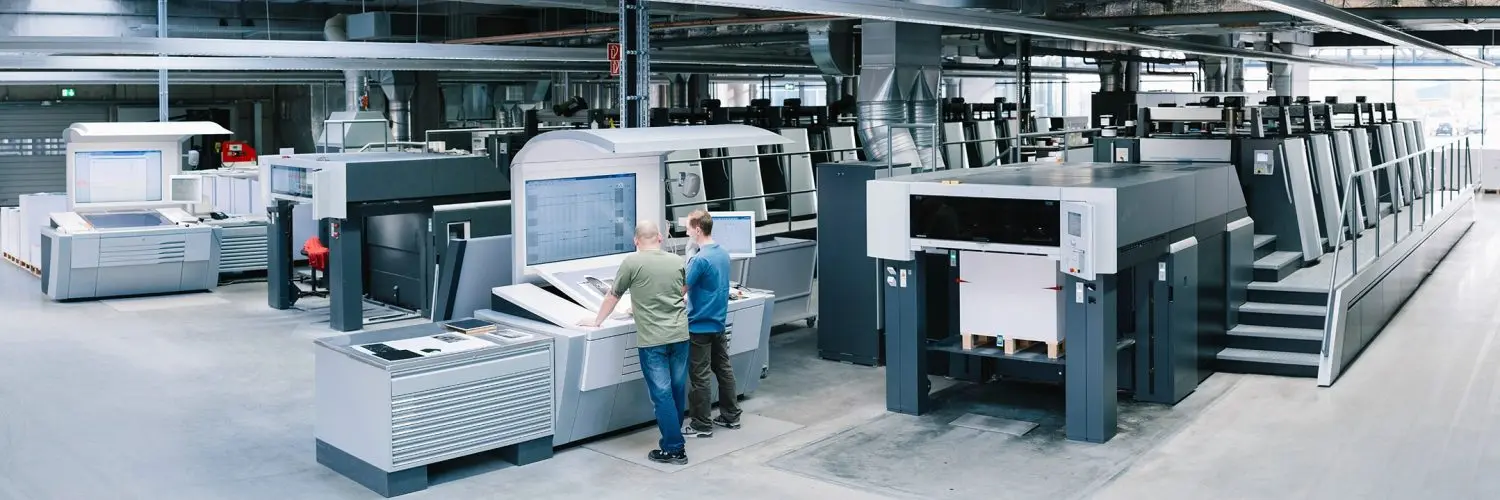
Fig.1 — UGI Packaging printing production line, Guangzhou facility
Brochures and catalogues are the most specification-intensive products in UGI Packaging’s commercial printing range. Standard formats include A4, A5, DL (⅓ A4), US Letter, and square (210 × 210 mm); fold options span bi-fold, tri-fold (letter fold), Z-fold, gatefold, and roll fold. Paper weight runs from 90 gsm for inner pages to 350 gsm for self-cover finishes. Binding methods include saddle stitch, perfect binding, and wire-O binding. Full-colour CMYK offset printing at 175 lpi is standard; additional Pantone spot colours are available from 2-colour to 6-colour press configurations.
For catalogue production, UGI Packaging supports page counts from 4 to 200+ pages, with sequential printing and collation handled in-line. Buyers who supply finished PDF artwork receive a digital proof within 24 hours of file receipt; buyers who commission design receive a first-draft layout within 3–5 working days. MOQ for brochures is 500 units; price per unit drops significantly at 2,000, 5,000, and 10,000 unit breaks.
Business Cards
Business cards produced at UGI Packaging are available in standard (90 × 54 mm / 3.5 × 2 in), square (55 × 55 mm), and custom die-cut shapes. Substrate choices include 300 gsm, 350 gsm, and 400 gsm coated artboard, plus uncoated options for a tactile, premium feel. Printing is by offset for runs above 500 units and digital inkjet for prototype quantities below 100 units. Surface finishing options are fully open: a matte laminated card with spot UV logo is among the most popular configurations for luxury brand buyers.
Flyers & Posters
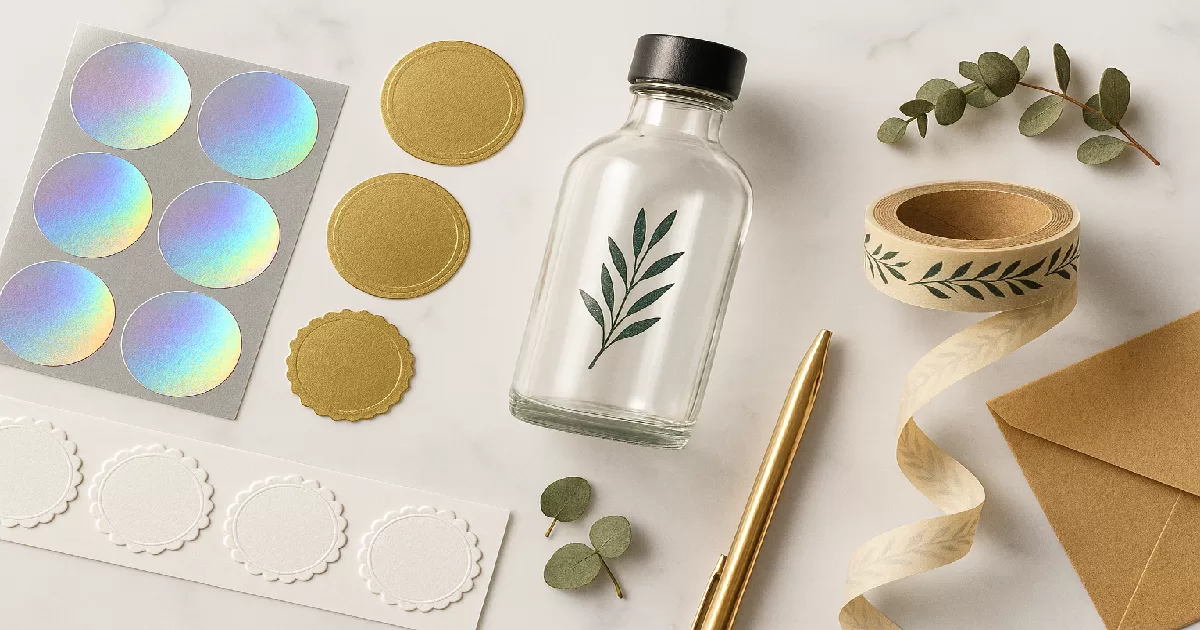
Fig.2 — Commercial print products range, UGI Packaging Guangzhou
Flyers and posters are single-sheet products produced at high speed on offset presses. UGI Packaging’s standard flyer sizes include A6, A5, A4, and DL, with custom sizes up to B1 (707 × 1000 mm) for poster formats. Paper weights for flyers typically run 115–170 gsm coated; posters use heavier stocks of 200–300 gsm. Both sides can be printed; double-sided flyers allow the back panel to carry a response mechanism, map, or QR code without a cost multiplier beyond the additional ink coverage.
For retail and event buyers sourcing flyers in quantities of 5,000–50,000 units, UGI Packaging offers gang-run pricing where compatible jobs are combined on the same press sheet, reducing per-unit cost by up to 40% compared to dedicated short-run pricing. Delivery on standard flyer orders is 5–8 working days from artwork approval.
Hang Tags

Fig.3 — Custom hang tags with hot foil stamping, UGI Packaging
Hang tags are an area where UGI Packaging’s combined printing and packaging expertise delivers a meaningful advantage. A hang tag is structurally simple — a small board card with a punched hole and string — but its visual impact is disproportionate to its size. UGI Packaging produces hang tags in 350–600 gsm board, with die-cut shapes (rounded corners, oval, arch, custom silhouette), single- or double-sided print, and the full surface finishing menu.
Hot foil stamping on hang tags is particularly popular for fashion and jewellery brands: a gold or rose-gold foil logo on a black 400 gsm board with a soft-touch matte coating creates a premium brand touchpoint at very low per-unit cost. Buyers typically order hang tags in quantities of 1,000–10,000 units per design, and UGI Packaging accommodates mixed runs of multiple tag designs within a single order when the combined quantity meets the press minimum.
Stickers & Labels
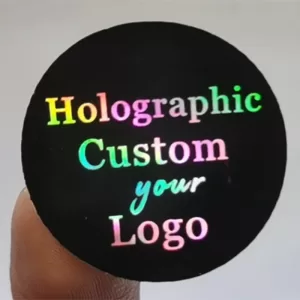
Fig.4 — Holographic foil stickers, UGI Packaging product catalogue
UGI Packaging produces pressure-sensitive stickers and labels on roll-fed and sheet-fed lines. Substrate options include white BOPP (biaxially oriented polypropylene), clear BOPP, kraft paper, metallic silver/gold, and standard white paper. Adhesive types span permanent, removable, and freeze-stable formulations for cold-chain food and pharmaceutical applications. All sticker and label products are available in custom die-cut shapes; minimum order is 500 units per SKU per shape.
Waterproof materials are standard for food, beverage, and outdoor applications; printing is by UV inkjet for short runs and offset for volumes above 2,000 units. Holographic film variants are produced using UV-cured inks printed over a metallised PET base, achieving vivid colour accuracy over a reflective surface. Colour delta E ≤ 2.0 is maintained across holographic substrates (UGI Packaging factory data, most recent quarter).
Notepads & Stationery
Custom notepads represent a strong category for corporate gifting, promotional campaigns, and branded office supply programmes. UGI Packaging produces notepads in A4, A5, and A6 formats, with 25, 50, or 100 sheets per pad. Covers are printed on 300–400 gsm coated board; inner pages use 70–80 gsm uncoated offset paper. Binding options include glue-pad, spiral (wire-O), and side-sewn. Cover design can incorporate foil stamping, embossing, and spot UV in exactly the same way as standalone printed products, making notepads an effective brand vehicle for wholesale buyers in corporate stationery and gift markets.
Packaging Inserts & Instruction Sheets
For buyers who also source packaging from UGI Packaging (ukugi.com), printed inserts — warranty cards, instruction manuals, thank-you cards, and promotional leaflets — can be co-ordered and sized to fit inside the corresponding box. This integration eliminates the dimensional mismatch and re-proofing delays that occur when inserts are sourced from a separate printer. Inserts are produced on 90–170 gsm coated or uncoated stock, with folding to any standard configuration. Minimum order for inserts is 500 units and typically matches the parent packaging order volume.
Postcards & Greeting Cards
Postcards are produced on 300–350 gsm coated board; standard sizes are A6 (148 × 105 mm) and A5 (210 × 148 mm), with custom sizes on request. Greeting cards follow the same substrate options with the addition of scoring and fold, turning a flat card into a standard gatefold greeting. UGI Packaging’s greeting card range extends to 3D pop-up formats, laser-cut invitation structures, and electronically enhanced interactive cards — giving wholesale buyers access to the full structural spectrum from a single manufacturer. Laser cutting precision is maintained at ±0.1 mm; colour registration tolerance ±0.1 mm (UGI Packaging factory data, most recent quarter).
Presentation Folders
Presentation folders combine structural complexity with premium print finishing. Standard configurations include the A4 pocket folder, accordion pocket, and multi-panel folder with business card slit. Board weight is typically 300–400 gsm; finishes range from standard gloss lamination to soft-touch with spot UV logo placement. UGI Packaging’s die-cutting and gluing expertise from its packaging operations enables tight dimensional tolerances (±0.5 mm) and clean, square glue joints on all pocket configurations.
Custom Print-on-Packaging
This final category covers direct printing on packaging substrates — tissue paper, gift wrap sheets, paper bags, and box wraps — where the print itself is structural rather than an insert. UGI Packaging handles these jobs on its packaging lines, applying offset, digital, or flexographic printing depending on the substrate and run length. Custom tissue paper with a two-colour logo can be produced at MOQ 500 sheets; full-colour printed paper bags begin at 500 units. This category is particularly well suited to buyers who want brand consistency across both packaging and print collateral within a single supplier relationship.
✅
UGI Packaging Tip: When your print collateral and packaging are sourced from the same factory, artwork files, brand colours, and substrate specifications are shared across departments — eliminating the colour drift and dimensional mismatches that occur between separate suppliers. Contact us at
[email protected] or WhatsApp +44 7783 771295 to discuss co-production pricing.
02
Design Capability: From Brief to Print-Ready File
UGI Packaging operates a dedicated in-house design team that supports every stage of the custom commercial printing workflow, from initial brand briefing through to press-ready file handoff. For wholesale buyers ordering custom commercial printing, this capability eliminates the cost and delay of working through a third-party design agency and then re-briefing a separate print supplier — both the design and the production are owned and executed within the same Guangzhou facility. Whether a buyer arrives with a fully finalised Adobe Illustrator file or a rough sketch on a PDF, the UGI Packaging design team has a defined workflow for converting it into a technically correct, press-optimised print file. This chapter explains what that workflow looks like in practice, and where the design capability boundary sits for buyers who need to understand exactly what is and is not handled in-house.
“
UGI Packaging’s in-house design team handles CMYK colour separation, ICC profile management, dieline engineering, and print-ready file production entirely within the Guangzhou factory — enabling buyers to move from a brand brief to a verified press file without engaging a third-party design agency or a separate prepress house.
CMYK Colour Management

Fig.5 — CMYK colour-managed packaging production, UGI Packaging
Colour management is the area where UGI Packaging’s in-house design team delivers the most measurable value over a buyer self-managing their print files. Commercial offset printing in CMYK operates under strict colour space constraints: all RGB artwork — including photographs, brand logos created in web-optimised colour spaces, and any content prepared for screen display — must be converted to CMYK before plating. If this conversion is performed without an ICC profile matched to the specific press and paper combination in use, the resulting print can shift significantly from the designer’s intention, particularly in skin tones, shadow densities, and brand-critical spot colours.
UGI Packaging’s colour workflow uses press-specific ICC profiles calibrated against the actual press fleet and substrate combinations in use at the Guangzhou facility. When a buyer provides RGB artwork, the design team performs a soft-proof conversion, flags any colours where the CMYK gamut cannot accurately reproduce the original RGB value, and presents the buyer with a colour-corrected proof before proceeding to plate. This step prevents the most common cause of buyer dissatisfaction in commercial printing — colour that matches the screen but not the finished sheet.
Dieline Engineering & Prepress Production
For any product that requires die-cutting — business cards with rounded corners, presentation folders with pocket slots, hang tags with custom silhouettes, or any non-rectangular format — UGI Packaging’s structural engineers produce a dieline (also called a cutting guide or knife template) that defines exactly where the cutting die will strike the substrate. This dieline is provided to the buyer as an AI, PDF, or CDR file overlay on the artwork template, with bleed zones, safe zones, and fold lines clearly marked. The buyer’s artwork team places design content within the safe zone boundaries; UGI Packaging’s prepress team then merges the artwork and dieline into a single production-ready file, verifies bleed and safe zone compliance, and advances to plate-making.
For buyers who supply print-ready PDFs, UGI Packaging’s prepress team conducts a standard preflight check covering: colour mode (CMYK confirmation), resolution (minimum 300 DPI at final print size), font embedding (all fonts converted to outlines), bleed (minimum 3 mm on all sides), and overprint settings (black text set to overprint, other elements set to knockout). Files that fail preflight are returned to the buyer with a specific correction list (see ISO quality management standards for context) — UGI Packaging does not proceed to plate-making on files with unresolved preflight errors, because the cost of correcting an error on press or at die-cutting is an order of magnitude higher than fixing it in the file.
The 6-Step Design & Prepress Workflow
For buyers who commission design from UGI Packaging, the following six-step workflow defines the standard process from brief to approved press file:
1
Brief & Scope Confirmation
Buyer submits product specification, target audience, brand guidelines (or brand files), reference images, and any existing print history. UGI Packaging confirms format, substrate, finish, and quantity, and issues a written scope confirmation within 24 hours.
2
Layout & Concept Draft
Design team produces 1–2 layout concepts in PDF format. For brochures and catalogues, this includes proposed section flow, typography hierarchy, and image placement. Turnaround is 3–5 working days for new commissions; 1–2 days for revisions to existing layouts.
3
Buyer Revision Rounds
Standard design service includes up to three revision rounds. Revisions are submitted via annotated PDF or written feedback. The design team logs all change requests and issues a revised proof confirming each change has been applied.
4
CMYK Conversion & Colour Proof
On buyer approval of the layout, the design team converts all elements to CMYK, applies ICC profiles, and produces a soft-proof PDF showing accurate CMYK colour values. Any gamut warnings are flagged with proposed alternatives before proceeding.
5
Preflight Check & Press File Production
The finalised layout passes through the standard preflight checklist: CMYK confirmation, 300 DPI resolution at final size, font outlines, 3 mm bleed, overprint and knockout verification. The prepress team produces a high-resolution PDF/X-1a press file with embedded ICC profile.
6
Buyer Sign-Off & Plate-Making Authorisation
Final press file is sent to the buyer for written sign-off. Production does not advance to plate-making until written approval is received. This sign-off step is the buyer’s last opportunity to identify any remaining changes; all subsequent alterations are subject to plate-making and re-setup charges.
Case Study: Hartwell Paper Co. — Corporate Catalogue Redesign
Buyer background: Hartwell Paper Co. is a UK-based wholesale stationery distributor supplying independent bookshops, office supply chains, and corporate stationery programmes across the UK and Ireland. They source 12 product lines from UGI Packaging, including notepads, desk planners, and branded catalogues for their trade buyer accounts.
Design challenge: Hartwell’s 48-page trade catalogue had been produced by a local UK design agency whose files were in RGB and contained embedded fonts that their previous printer in Europe could not extract. Every print run required expensive last-minute prepress corrections.
UGI Packaging solution: The UGI Packaging design team rebuilt the catalogue template in Adobe InDesign with a CMYK colour profile matched to the factory’s Komori offset press and 128 gsm silk-coated inner stock. All brand colours were re-specified as CMYK values, and all fonts were converted to outlines in the master file. A dieline was produced for the 4-page self-cover, which required a 5 mm scored spine to accommodate perfect binding.
Outcome: The first print run of 3,000 copies passed preflight without a single flag and went to plate on the same day as file approval. Hartwell reports zero colour complaints from trade buyers since switching to UGI Packaging — compared to an average of 3–4 complaints per print run with their previous supplier. They now supply the master InDesign file to UGI Packaging for seasonal updates, with typical turnaround from revised text to press approval of 2 working days.
“
UGI Packaging’s prepress workflow requires all files to pass a six-point preflight check — CMYK mode, 300 DPI resolution, font outlines, 3 mm bleed, correct overprint settings, and dieline compliance — before any job advances to plate-making; no exceptions are made regardless of order size or delivery urgency.
03
Production Capability: Equipment, Output & Technical Specs
UGI Packaging’s Guangzhou custom commercial printing production facility has been in continuous operation since 2007, expanding from an initial team of 40 to more than 200 full-time employees across design, prepress, press operation, finishing, QC, and logistics. The press floor operates multi-colour offset presses as the primary workhorse for commercial print runs, supported by digital inkjet lines for short-run and variable-data work, UV screen printing for specialty substrates, and finishing equipment for lamination, foil stamping, embossing, die-cutting, and binding. This chapter documents the key equipment categories, their technical specifications, and the output parameters that wholesale buyers need to assess when evaluating UGI Packaging as a production partner.
175 lpi
Offset Screen Ruling
3M+
Units / Month Capacity
7–15
Days Standard Lead Time
Offset Press Fleet
Fig.6 — Offset-printed brand labels, UGI Packaging production
The primary production workhorse at UGI Packaging is the multi-colour sheetfed offset press. Offset printing operates by transferring ink from a photopolymer plate to a rubber blanket, and from the blanket to the substrate — a process that produces extremely consistent ink density across long print runs and delivers the sharpest halftone dot reproduction available in commercial printing. UGI Packaging’s offset fleet operates at a standard screen ruling of 175 lpi (lines per inch), which provides sufficient halftone resolution for fine photographic detail, small body text at 6pt, and intricate graphic elements without visible rosette patterning under normal viewing conditions.
The offset press configuration at UGI Packaging supports up to 6-colour printing (CMYK plus 2 Pantone spot colours) in a single pass, enabling jobs that require precise brand colour matching alongside full-colour photographic content without a second press pass. Maximum sheet size on the primary offset press is 720 × 1020 mm (approximately B1+), which accommodates A4 brochures at 8-up imposition, business cards at 48-up, or A3 posters at 4-up — minimising paper waste and press time per unit. Impression speed runs at 10,000–15,000 sheets per hour under standard production conditions, enabling a 10,000-copy brochure run to be printed within a single working day.
Digital Print Line
UGI Packaging’s digital inkjet line handles runs below the offset economic threshold — typically orders of 100–499 units per SKU — and jobs that require variable-data printing (unique QR codes, personalised names, sequential numbering). Digital inkjet output runs at 1,200 × 1,200 DPI native resolution, which exceeds the effective resolution of offset at 175 lpi and makes it the superior choice for photographic reproductions at small formats (such as business cards and postcards) where viewing distance is close. The trade-off is ink cost per impression: digital inkjet cost-per-unit does not decrease significantly with volume, making it uneconomical beyond approximately 500 units for most product types. For this reason, UGI Packaging automatically switches qualifying orders from digital to offset at the 500-unit threshold unless the buyer specifically requires variable-data capability.
Finishing Equipment

Fig.7 — Specialty UV transfer finishing, UGI Packaging
The finishing department at UGI Packaging is the production stage where a flat, printed sheet is transformed into the final product. Finishing equipment at the Guangzhou facility includes: thermal lamination machines for gloss and matte film application (both BOPP and soft-touch PET lamination films); UV spot coating units for selective varnish application to defined areas; hot foil stamping presses operating across gold, silver, rose gold, holographic, and custom foil types; hydraulic embossing presses for raised and recessed surface texture; precision flatbed and rotary die-cutting machines maintaining ±0.3 mm positional accuracy; saddle-stitching lines for booklets and catalogues up to 64 pages; and perfect binding equipment for catalogues and notepads from 24 pages upwards.
All finishing equipment operates on a shared scheduling system integrated with the press floor, ensuring that a job completing its press run moves directly into the finishing queue without manual intervention. This scheduling integration is one of the structural advantages of a vertically integrated facility over a print broker model, where press and finishing jobs are managed at separate supplier locations with separate lead times that add up cumulatively rather than running in parallel.
Production Specifications Summary
The following table covers the key technical parameters for each major production department at UGI Packaging’s Guangzhou facility:
| Department |
Key Equipment |
Technical Specification |
MOQ / Output |
| Offset Press |
Sheetfed multi-colour (up to 6C) |
175 lpi · Max sheet 720×1020 mm · ΔE ≤1.5 · ISO 12647-2 |
500 units · 10,000–15,000 sh/hr |
| Digital Inkjet |
High-res UV inkjet, variable data |
1,200 × 1,200 DPI · CMYK + White · A3+ sheet |
1 unit (prototype) · 100–499 unit runs |
| UV Screen Print |
Flatbed UV screen press |
Specialty substrates · Thick ink deposit · 1–6 colours |
500 units · 2,000–4,000 sh/hr |
| Thermal Lamination |
Roll-to-roll laminator |
Gloss / Matte / Soft-touch BOPP or PET · Up to 720 mm wide |
Applied in-line with finishing |
| Hot Foil Stamping |
Hydraulic foil press |
Gold / Silver / Rose gold / Holographic · ±0.1 mm registration |
500 units minimum |
| Die-Cutting |
Flatbed & rotary die-cut |
±0.3 mm positional accuracy · Custom steel-rule dies |
Applied in-line with finishing |
| Saddle Stitch |
In-line saddle stitch + trim |
4–64 pages · ±0.5 mm trim accuracy |
500 copies minimum |
| Perfect Binding |
Hot-melt perfect binder |
24–200+ pages · Spine width 2–30 mm · PUR or EVA adhesive |
300 copies minimum |
“
UGI Packaging’s Guangzhou facility operates sheetfed offset presses at 175 lpi with a maximum sheet size of 720 × 1020 mm, producing up to 15,000 impressions per hour with colour consistency maintained to ΔE ≤1.5 against ISO 12647-2 standards across the full print run — verified by spectrophotometer at press and mid-run pull (UGI Packaging factory data, most recent quarter).
Substrate Range
UGI Packaging’s production facility handles the full range of paper and board substrates used in custom commercial printing. Coated stocks — the most common substrate for brochures, catalogues, and high-quality printed collateral — are available from 90 gsm through to 400 gsm, in both gloss and silk (satin) finish. Uncoated offset papers from 70 gsm upwards are used for notepad inner pages, instruction sheets, and letterhead. Specialty stocks handled on-site include uncoated kraft (natural brown, white-coated kraft face), textured finishes (linen, felt, hammered), and synthetic substrates including white BOPP and clear PET for label and sticker applications. For luxury packaging applications, rigid grey board from 1,200 gsm to 2,500 gsm is available as a substrate for box structures, though rigid board is processed on the packaging lines rather than the commercial print press fleet.
⚠️ UGI Packaging Note: Substrate availability and pricing are subject to change with global paper market conditions. Buyers planning large forward orders (50,000+ units) are advised to confirm substrate stock availability at the time of order placement rather than relying on quotations older than 30 days.
Lead Time Breakdown
UGI Packaging’s quoted lead times run from the date of written artwork approval — not from the date of order placement. The distinction is significant: delays in artwork approval extend the lead time by the same number of days as the approval delay. The following timeline reflects production under standard conditions for a typical 5,000-unit A5 brochure order with matte lamination and saddle-stitch binding: artwork approval Day 0 → prepress check and plate-making complete Day 1 → press run complete Day 2–3 → lamination complete Day 4 → die-cut and binding complete Day 5–6 → QC inspection and packing complete Day 7 → ex-works despatch Day 7–8. Transit time from Guangzhou to UK/US/EU ports is 18–30 days by sea freight or 3–5 days by air freight.
✅
UGI Packaging Tip: For buyers with fixed campaign launch dates, UGI Packaging recommends working backwards from the required in-hand date using: transit time + 2 days buffer + production lead time + artwork approval window. Contact us at
[email protected] or WhatsApp +44 7783 771295 with your target in-hand date and we will confirm feasibility and recommend the optimal shipping mode.
04
Printing Technologies: Offset, Digital, Screen & Thermal Transfer
Understanding which printing technology is applied to a given custom commercial printing job matters to wholesale buyers for three reasons: it determines the achievable colour accuracy and image resolution, it governs the economic threshold at which a job becomes cost-effective, and it defines which substrates can be printed. UGI Packaging operates four distinct printing technologies — sheetfed offset, digital UV inkjet, UV screen printing, and thermal transfer — each matched to a specific range of products, quantities, and substrate requirements. This chapter explains the mechanical principles behind each technology, where UGI Packaging deploys it, and how buyers should think about selecting between them when commissioning a custom commercial print order.
“
UGI Packaging operates four printing technologies — sheetfed offset at 175 lpi, UV digital inkjet at 1,200 DPI, UV screen printing for specialty substrates, and thermal transfer for decorative surface application — enabling every commercial print product in its range to be produced on the most technically appropriate and economically optimal method for the job specification.
Sheetfed Offset Lithography

Fig.8 — Offset litho-laminated custom printed boxes, UGI Packaging
Sheetfed
offset lithography is the primary commercial printing technology at UGI Packaging, accounting for the majority of all print volume across brochures, catalogues, business cards, flyers, hang tags, notepads, and presentation folders. Offset works on the principle of oil-water immiscibility: the image area of a photopolymer plate is treated to accept ink and repel water; the non-image area accepts water and repels ink. Ink transfers from the plate to a rubber blanket cylinder, and from the blanket to the paper — the intermediate blanket step is what gives offset its characteristically consistent, smooth ink lay and makes it tolerant of minor substrate surface irregularities that would cause direct plate-to-paper contact printing to produce inconsistent results.
At UGI Packaging’s standard screen ruling of 175 lpi, the halftone dots that constitute any photographic or tonal image are small enough to be invisible to the naked eye at normal reading distance, producing the impression of continuous tone. The practical limit of offset resolution — the point at which finer screen rulings produce no visible improvement — is approximately 200 lpi on premium coated stocks; UGI Packaging’s standard of 175 lpi sits comfortably within the range that maximises sharpness without risking dot gain on uncoated or lighter coated substrates. Colour consistency across a press run is maintained by spectrophotometric monitoring at the start of each run and at defined intervals, with the press operator adjusting ink keys to hold ΔE ≤1.5 against the approved proof throughout.
Digital UV Inkjet Printing
Digital UV inkjet printing deposits UV-curable ink droplets directly onto the substrate through piezoelectric print heads, with each droplet instantly cured by an inline UV lamp as the substrate passes beneath the print head array. The absence of plates means digital printing requires zero plate-making time and cost, enabling same-day production start on approved artwork and making it the only economically viable technology for quantities below 500 units. At 1,200 × 1,200 DPI, digital inkjet at UGI Packaging exceeds the effective resolution of offset at 175 lpi — a 1,200 DPI inkjet dot is approximately 21 microns in diameter versus the 145-micron minimum dot at 175 lpi offset — and is the superior choice for very fine linework, tiny text at 5pt or below, and macro-photography reproductions at business card scale where viewing distance is typically under 30 cm.
The structural limitation of digital inkjet versus offset at UGI Packaging is substrate range: the digital line is optimised for paper, coated board, and BOPP film up to A3+ sheet size. Substrates that require the blanket pressure of offset for full ink transfer — heavily textured uncoated stocks, very heavy board above 400 gsm, and some synthetic films — are not compatible with the digital line and are routed to the offset press or UV screen line. Buyers who require variable data on quantities above 500 units — for example, a run of 2,000 brochures each containing a unique QR code linked to a personalised URL — can receive hybrid production: offset for the static elements and a digital overprint pass for the variable data, combining the economic efficiency of offset with the personalisation capability of digital.
UV Screen Printing

Fig.9 — UV screen-printed vinyl stickers, UGI Packaging catalogue
UV screen printing forces UV-curable ink through a fine mesh stencil (screen) onto the substrate using a squeegee, depositing a significantly thicker ink layer than either offset or inkjet can achieve. This thick ink deposit — typically 15–50 microns versus 1–3 microns for offset — produces several properties that make screen printing the correct choice for specific applications: colour opacity on dark or transparent substrates (where a single screen printing pass can lay down a fully opaque white ink layer that would require multiple offset passes to approach); three-dimensional raised print effects when thick ink builds are intentional; and adhesion to non-porous substrates including PVC film, BOPP sticker stock, polycarbonate, and metal foil that resist ink absorption from offset and inkjet processes.
At UGI Packaging, UV screen printing is the primary technology for stickers and labels on specialty substrates — particularly clear BOPP (where a white ink underprint is required before colour inks for opacity), metallic film labels, and any label requiring a very heavy spot colour ink deposit for premium tactile effect. Screen printing is not suited to photographic halftone reproduction at fine screen rulings; its practical halftone maximum is approximately 65–85 lpi, which is visibly coarser than offset. It is therefore reserved for graphic elements (logos, solid areas, and large type) rather than photographic content, and is frequently combined with offset or digital printing in a mixed-process job.
Thermal Transfer Printing
Thermal transfer printing uses a heated print head to melt wax or resin-based ink from a ribbon onto the substrate surface. At UGI Packaging, thermal transfer is deployed primarily for two applications: on-demand barcode and variable text printing on self-adhesive labels (where the thermal transfer head runs directly on the label stock at the point of application, enabling real-time variable data without a separate digital printing pass), and for decorative thermal transfer films applied to packaging and print products as an alternative to hot foil stamping for certain geometric or textured patterns that cannot be cost-effectively tooled as a foil die. Thermal transfer operates at 300 DPI head resolution for text and barcode applications and produces edge definition of ±0.15 mm for barcode bars — within the tolerance required for GS1-compliant barcode verification at all standard barcode symbologies (EAN-13, Code 128, QR).
Printing Technology Comparison
The following table provides a direct comparison of the four custom commercial printing technologies operated at UGI Packaging across the dimensions most relevant to wholesale buyers:
| Parameter |
Offset |
Digital Inkjet |
UV Screen |
Thermal Transfer |
| Resolution |
175 lpi |
1,200 × 1,200 DPI |
65–85 lpi |
300 DPI |
| Colour gamut |
CMYK + up to 2 Pantone |
CMYK + White |
Spot colours + White |
Monochrome / limited |
| Economic MOQ |
500 units |
1 unit (sample) |
500 units |
On-demand / 1 unit |
| Substrate range |
Paper & board (all weights) |
Paper, board, BOPP film |
Most substrates incl. non-porous |
Label stock, ribbon-compatible |
| Variable data |
No (fixed plate) |
Yes (per-impression) |
No (fixed screen) |
Yes (on-demand) |
| Colour tolerance |
ΔE ≤1.5 (ISO 12647-2) |
ΔE ≤2.0 |
ΔE ≤2.5 (spot colour) |
N/A (single colour) |
| Best suited for |
Brochures, catalogues, flyers, hang tags |
Samples, short runs, variable QR |
Specialty stickers, labels, dark substrates |
Barcodes, on-demand labels |
“
For wholesale buyers placing mixed-format orders at UGI Packaging, the technology routing decision — offset, digital, screen, or thermal transfer — is made automatically by the production team based on quantity, substrate, and variable-data requirements; buyers do not need to specify the printing method, only the product specification and quantity.
✅ UGI Packaging Tip: If your order requires a physical proof before committing to a full run, UGI Packaging can produce a digital inkjet proof on the actual substrate in 1–2 working days before the offset plates are made. This is particularly valuable for first-time orders of branded collateral where exact colour and stock feel must be approved before production.
05
Surface Finishing Technologies: 8 Options Explained
In custom commercial printing, surface finishing is the production stage applied after printing that transforms a flat, printed sheet into a product with defined tactile properties, enhanced visual effect, and protection from abrasion, moisture, and handling wear. At UGI Packaging, surface finishing is not an optional upgrade — it is a standard part of the commercial printing workflow, and every product that leaves the Guangzhou facility carries at least one finishing treatment. The choice of finishing process is one of the most consequential decisions in a print specification, because it is the surface finish — not the ink — that the end user feels and sees first. This chapter documents all eight finishing options available at UGI Packaging, explaining the mechanical process behind each, its visual and tactile effect, its compatibility with other finishes, and the product types for which it is most commonly specified.
“
UGI Packaging applies eight surface finishing techniques to commercial print products — gloss lamination, matte lamination, soft-touch coating, spot UV, hot foil stamping, cold foil, embossing and debossing, and aqueous coating — all executable within the Guangzhou facility without outsourcing any finishing step to a third-party converter.
Finish 1 — Gloss Lamination
Fig.10 — Gloss BOPP laminated packaging, UGI Packaging production
Gloss lamination bonds a thin BOPP (biaxially oriented polypropylene) or PET film — typically 12–18 microns thick — to the printed substrate surface using a heat-activated adhesive in a roll-to-roll thermal lamination machine. The result is a hard, smooth, highly reflective surface that intensifies the perceived saturation of CMYK inks, making colours appear more vivid and photographic images more impactful. Gloss lamination also provides physical protection: the laminate film is resistant to fingerprints, light moisture, and surface scuffing, significantly extending the serviceable life of printed collateral that will be handled frequently.
Gloss lamination is the default finishing choice for brochures, catalogues, and product flyers where photographic image quality is the primary visual driver. It is applied to the outer face of the substrate; the inner pages of a saddle-stitched or perfect-bound brochure typically receive a lighter aqueous coating rather than lamination, to preserve the writability of paper for note-taking by end users. Gloss lamination is fully compatible with spot UV overprinting, which can be applied over the laminate surface to create a selective high-gloss accent on top of the already-glossy base.
Finish 2 — Matte Lamination
Matte lamination applies the same BOPP film bonding process as gloss, but uses a film with a micro-textured surface that diffuses reflected light in multiple directions rather than reflecting it specularly. The result is a non-reflective, velvet-like surface with a distinctly premium feel in the hand. Matte lamination reduces the apparent vibrancy of CMYK inks slightly compared to gloss — colours appear softer and more subdued — but it eliminates the glare that can make highly glossy printed materials difficult to read under overhead fluorescent lighting, and the soft, tactile quality of a matte laminated surface signals quality to consumers in the luxury, fashion, cosmetics, and premium food categories. At UGI Packaging, matte lamination is the most commonly specified finish for hang tags, business cards, and premium brochure covers ordered by fashion and lifestyle brands. It can be combined with spot UV to create the popular matte-with-gloss-spot-UV contrast effect, where a matte base finish throws the shiny spot UV elements into sharp relief.
Finish 3 — Soft-Touch Coating
Fig.11 — Soft-touch and specialty surface finishing, UGI Packaging
UGI Packaging’s
soft-touch coating process — sometimes described as velvet coating or suede coating — uses a water-based PU (polyurethane) coating applied by roller over the printed and laminated substrate surface. Unlike the plastic films used in gloss and matte lamination, soft-touch coating is a liquid coating that dries to form a micro-cellular foam surface layer approximately 5–8 microns thick. This foam structure compresses slightly under finger pressure and springs back, creating a characteristic tactile sensation that is described by most users as skin-like, velvety, or suede-like — qualities strongly associated with luxury consumer goods. The soft-touch surface also has a slightly higher coefficient of friction than a standard matte laminate, which means printed products with soft-touch coating feel substantial and secure in the hand, less prone to slipping from a stack.
At UGI Packaging, soft-touch coating is the single most popular premium finish for hang tags, luxury brochure covers, and business cards in the fashion, jewellery, and cosmetics sectors. It is always applied over a laminate base — matte lamination in most cases — because the coating requires a sealed, non-porous surface to achieve consistent film formation. Hot foil stamping and embossing can be applied after soft-touch coating using appropriately adjusted temperature and pressure parameters, making it fully compatible with the full luxury finishing stack. Soft-touch coating does not support conventional ballpoint pen writing on its surface, which should be considered if the application requires the end user to write on the printed piece.
Finish 4 — Spot UV Coating
Spot UV applies a clear UV-curable varnish to defined areas of the printed sheet — typically a logo, headline, product image, or decorative graphic element — rather than the full surface. The varnish is applied through a screen or inkjet-controlled process, then instantly cured by UV light to produce a high-gloss, slightly raised clear coat confined to the specified artwork areas. Against a matte laminated background, spot UV creates a dramatic contrast between the dull, non-reflective base and the mirror-bright accent — drawing the eye to exactly the elements the designer wants to emphasise. Against a gloss laminated background, spot UV adds a glossier-than-gloss accent with a subtle dimensional quality that is visible under raking light.
At UGI Packaging, spot UV is produced in two variants: standard spot UV (clear, glossy, approximately 5 microns build height above the laminate surface), and raised or 3D spot UV (thicker build of 50–200 microns, applied in multiple passes, creating a tactile raised element that can be felt under a fingertip). Standard spot UV adds negligible production time as it runs inline with the laminator; raised spot UV requires a dedicated offline pass and is priced as a separate operation. Minimum order for spot UV is 500 units, consistent with the offset press threshold.
Finish 5 — Hot Foil Stamping
Fig.12 — Hot foil stamping and holographic foil finishing, UGI Packaging
Hot foil stamping transfers a metallic or pigment foil layer from a carrier film to the substrate surface using a heated steel die pressed under controlled pressure and dwell time. The die — a custom-engraved brass or magnesium block shaped to the exact artwork element being foiled — heats the foil carrier from above while the substrate is positioned below; the heat and pressure cause the foil’s adhesive layer to activate and bond to the substrate, while the non-contact areas remain on the carrier film and are stripped away as the die lifts. The result is a precisely defined, mirror-finish metallic or holographic element with sharp edges and no ink bleed.
UGI Packaging offers hot foil stamping in gold (yellow gold, rose gold, champagne gold), silver (mirror silver, brushed silver), holographic (rainbow diffraction, custom pattern holographic), and a range of pigment foils in solid colours for applications where metallic effect is not required. Registration accuracy for hot foil stamping at UGI Packaging is ±0.1 mm, enabling fine serif typefaces at 8pt and intricate logo elements to be foiled accurately. Hot foil stamping is commonly combined with matte or soft-touch lamination on hang tags, business cards, and packaging; the metallic foil element reads against the non-reflective base with exceptional visual impact at minimal additional cost per unit relative to the premium brand perception it creates.
Finish 6 — Cold Foil Transfer
Cold foil transfer applies metallic foil to the substrate using a UV-cured adhesive rather than a heated die. The process runs inline on the offset press: a UV-curable adhesive is printed in the image area on the first press unit, the foil carrier is laminated against the wet adhesive and instantly cured by UV light, the carrier is stripped away leaving foil bonded to the adhesive image areas, and the job continues through the remaining ink units for overprinting if required. Cold foil produces a slightly different surface quality to hot foil — it is fractionally less mirror-bright and carries the halftone dot structure of the adhesive layer beneath it — but it offers several production advantages: no die tooling cost (making it economical for complex or large-area foil designs), the ability to overprint four-colour CMYK inks over the foil layer (creating colourised foil effects where a gold foil receives a CMYK ink overprint to produce multicoloured metallic elements), and inline integration that eliminates the offline foil stamping pass entirely for designs where the dimensional rigidity of hot foil dies is not required.
Finish 7 — Embossing & Debossing
Embossing displaces substrate fibres upward using a matched male-female die set to create a raised relief element; debossing does the inverse, pressing the substrate downward into a recessed form to create a sunken impression. Both processes are performed using custom-engraved steel or brass dies on a hydraulic press, and both can be applied blind (without ink or foil) or in register with printed or foil-stamped elements for a combined print-and-dimensional effect. At UGI Packaging, embossing and debossing are most commonly specified for: business cards (debossed logo or text for a premium brand identity), hang tags (embossed logo creating tactile brand presence), brochure and notepad covers (large area blind emboss for texture and visual depth), and presentation folders (embossed company name aligned with the pocket). Die-to-substrate registration accuracy is ±0.2 mm; maximum emboss depth is approximately 1.5 mm on 400 gsm board before substrate splitting risk becomes unacceptable.
Finish 8 — Aqueous Coating (AQ)
Aqueous coating is a water-based protective varnish applied as the final unit on an offset press, running inline immediately after the ink units in a single production pass. It provides a uniform flood coat across the entire printed sheet, drying by air evaporation and water absorption into the substrate rather than by UV curing. AQ coating in gloss formulation adds a modest sheen and significantly improves rub resistance — preventing ink scuffing during stacking, handling, and postal transit — without the cost of a lamination pass. AQ coating in matte formulation provides a soft, non-reflective surface protection without the tactile quality of a matte laminate film. AQ is the standard finishing treatment for inner pages of saddle-stitched brochures and catalogues where lamination would be cost-prohibitive across large page counts, and for high-volume flyer jobs where inline press coating eliminates the need for a separate offline finishing pass entirely, compressing the production timeline.
“
The most commercially successful surface finishing combination at UGI Packaging — specified by the majority of fashion, jewellery, and cosmetics brand buyers — is matte lamination as the base coat, spot UV over the primary logo or brand mark, and hot foil stamping in gold or rose gold for the brand name; this three-layer stack can be applied to any substrate from 300 gsm business cards to 400 gsm hang tags within a single finishing workflow.
Surface Finish Compatibility Matrix
Multiple finishes can be combined on a single product. The following matrix shows which combinations are compatible, commonly specified, or technically incompatible at UGI Packaging:
| Finish |
+ Gloss Lam |
+ Matte Lam |
+ Soft-Touch |
+ Spot UV |
+ Hot Foil |
+ Emboss |
| Gloss Lam |
— |
✗ |
✗ |
✓ |
✓ |
✓ |
| Matte Lam |
✗ |
— |
✓ |
✓✓ |
✓✓ |
✓ |
| Soft-Touch |
✗ |
✓ |
— |
✓✓ |
✓✓ |
✓ |
| AQ Coating |
✗ |
✗ |
✗ |
✗ |
✗ |
◐ |
✓✓ = Highly recommended combination · ✓ = Compatible · ◐ = Compatible with adjusted parameters · ✗ = Not compatible (do not combine)
✅
UGI Packaging Tip: When specifying a finishing combination for the first time, UGI Packaging recommends requesting a physical sample before committing to a production run. A sample card showing your chosen substrate, lamination, spot UV, and foil combination can be produced in 5–7 working days and allows exact approval of the tactile and visual result. Contact
[email protected] or WhatsApp +44 7783 771295 to request a finishing sample card.
06
Quality Control Standards: Our 5-Stage QC System
Quality control in custom commercial printing is not a single inspection event — it is a continuous verification system embedded across every production stage, from the moment raw substrate arrives at the warehouse dock to the moment a finished order is sealed for shipment. UGI Packaging operates a five-stage QC system that mirrors the ISO 9001 process-based approach: each stage has defined acceptance criteria, a responsible operator, and a documented pass/fail record that travels with the job through production. If any stage generates a fail, the job is quarantined and escalated before advancing to the next stage — there is no mechanism in the UGI Packaging production workflow for a flagged defect to be silently carried forward and accepted at a later stage. This chapter documents each of the five QC stages, the specific metrics checked at each point, and the industry standards against which those metrics are measured.
“
UGI Packaging’s five-stage quality control system — covering incoming material inspection, pre-press proofing, mid-run colour verification, finished goods audit, and pre-shipment inspection — operates under ISO 9001 certification, with written QC records maintained for every production job and available to buyers on request.
ISO 9001 Certification & the Process-Based Approach
Fig.13 — ISO 9001-certified production at UGI Packaging Guangzhou
UGI Packaging holds
ISO 9001 certification, the internationally recognised quality management system standard administered by the International Organization for Standardization. ISO 9001 does not prescribe specific product quality parameters — it requires that an organisation define its own quality objectives, document its processes for achieving them, implement a system of measurement and monitoring, and demonstrate continual improvement through management review. In practice, this means that UGI Packaging’s QC system is not an informal collection of operator habits but a formally documented framework: every inspection point has a written procedure, every acceptance criterion is defined before a job enters production, and every deviation from those criteria triggers a documented non-conformance report.
For wholesale buyers, the practical implication of ISO 9001 certification is that quality outcomes at UGI Packaging are predictable and reproducible across orders. A buyer who places a 5,000-unit brochure order in March and a repeat order of the same specification in September will receive output that matches within the defined colour tolerance, not because the same press operator happened to be on shift both times, but because the colour standards, paper specification, and inspection criteria are identical for both jobs — locked in the production record from the first run and retrieved for every subsequent repeat.
The 5-Stage QC System
1
Incoming Material Inspection
Every paper and board delivery is sampled on arrival and tested against the purchase specification before being accepted into the substrate store. Parameters checked include: basis weight (gsm ± 3% tolerance), caliper thickness (±5%), moisture content (target 4–6% by weight), pH (surface pH ≥ 5.0 to prevent ink yellowing), and whiteness / brightness (CIE whiteness ± 3 units against the specified grade). Substrates outside tolerance are rejected to supplier and a non-conformance record is raised. No substrate enters production without a passed incoming inspection record.
2
Pre-Press Proofing & Plate Verification
Before plates are mounted on press, the prepress team performs a digital contract proof on a calibrated inkjet proofer using the same ICC profile applied to the production file. The proof is verified against the buyer-approved reference using a spectrophotometer: average ΔE between proof and reference must be ≤ 2.0 (ISO 12647-7 contract proof standard). Plates are then imaged, and a plate density check verifies that all halftone values — from 2% highlight dots to 98% shadow — are accurately reproduced across all four (or more) colour separations before mounting.
3
Mid-Run Colour Pull & Press Verification
At press make-ready, the first acceptable sheet (OK sheet) is signed off by the press operator and retained as the run reference. During the press run, a printed sheet is pulled for spectrophotometric measurement at defined intervals — every 500 sheets for short runs, every 2,000 sheets for long runs. Each pull is measured against the OK sheet: ΔE must remain ≤ 1.5 (UGI Packaging internal standard, tighter than ISO 12647-2’s ΔE ≤ 2.5 requirement). Any pull exceeding ΔE 1.5 triggers an ink key adjustment; any pull exceeding ΔE 3.0 stops the press for re-make-ready.
4
Finished Goods Audit
After all finishing operations (lamination, foil stamping, die-cutting, binding), a random sample of finished units is drawn from each production batch — sample size is determined by AQL 2.5 sampling tables (ISO 2859-1), typically 80 units from a batch of 5,000. Each sampled unit is checked for: trim dimension accuracy (±0.5 mm), registration of finishing elements to printed elements (foil position ±0.2 mm, emboss position ±0.2 mm), lamination adhesion (no delamination under 90° peel test), and visual defects (scuffs, ink hickeys, foil voids, laminate bubbles). Batches with a defect count exceeding the AQL 2.5 critical threshold are quarantined for 100% manual sorting.
5
Pre-Shipment Inspection & Packing Verification
Before an order is packed for shipment, a final inspection confirms that the quantity matches the purchase order, that carton markings are correct (PO number, product description, unit count, gross weight, dimensions), and that a representative sample from the packed cartons matches the approved finished goods standard. For buyers who request a third-party pre-shipment inspection (PSI) through agencies such as SGS, Bureau Veritas, or Intertek, UGI Packaging provides full cooperation and access to the factory floor and production records on the scheduled inspection date. The QC report from this final stage is retained in the job file and available to buyers on request for up to 24 months post-shipment. For buyers who want to deepen their understanding of commercial print quality management,
The Packaging School offers relevant certification programmes.
Key Quality Metrics at a Glance
| Metric |
UGI Standard |
ISO Reference |
QC Stage |
| Paper basis weight |
±3% of spec gsm |
ISO 536 |
Stage 1 |
| Contract proof ΔE |
≤ 2.0 |
ISO 12647-7 |
Stage 2 |
| Press run colour ΔE |
≤ 1.5 (internal); ≤ 2.5 (ISO) |
ISO 12647-2 |
Stage 3 |
| Trim dimension |
±0.5 mm |
ISO 2768-1 (fine) |
Stage 4 |
| Foil / emboss register |
±0.2 mm |
Internal spec |
Stage 4 |
| AQL sampling level |
AQL 2.5 (ISO 2859-1) |
ISO 2859-1 |
Stage 4 |
| Sticker adhesion |
≥ 8 N/25mm peel strength |
ASTM D3330 |
Stage 4 |
Case Study: Pemberton Lifestyle — QC Performance on a Seasonal Gift Print Programme
Buyer background: Pemberton Lifestyle is a US-based premium gift brand supplying retail chains and corporate gifting programmes across North America and the UK. They source seasonal print collateral from UGI Packaging — including hang tags, gift box inserts, product stickers, and a 24-page gift guide — with four major seasonal campaigns per year (Valentine’s, Summer, Q3 corporate, and Christmas).
QC requirements: Pemberton’s retail chain buyers require that all printed collateral matches Pantone reference values to within ΔE 2.0 (CIELAB), that sticker adhesion on product labels passes a 24-hour bond test on their glass jar substrates, and that hang tag hole positions are consistent within ±0.3 mm to ensure all tags hang level on retail display hooks without manual adjustment.
UGI Packaging performance: Over eight consecutive seasonal campaigns, UGI Packaging has recorded a batch acceptance rate of 99.2% at Stage 4 finished goods audit — meaning that fewer than 1 in 125 sampled units across all Pemberton orders has required quarantine or re-sort. Colour ΔE across all press runs averaged 0.94 against Pemberton’s Pantone references (UGI Packaging factory data, most recent quarter), well within the ΔE 2.0 retail threshold. Hang tag hole position tolerance measured across a 200-unit random sample ran ±0.18 mm, within the ±0.3 mm specification.
Buyer outcome: Pemberton Lifestyle has eliminated their third-party pre-shipment inspection requirement for UGI Packaging orders — the only supplier in their print supply chain to achieve this status — citing consistent QC documentation and the zero retail return rate for print defects across the past two years of production.
“
UGI Packaging maintains written QC records for every commercial print order — covering incoming material test results, pre-press proof approvals, mid-run colour pull measurements, AQL finished goods audit outcomes, and pre-shipment inspection sign-offs — for a minimum of 24 months post-shipment, available to buyers on request.
✅
UGI Packaging Tip: Buyers who source print collateral for regulated industries — cosmetics labelling, food contact packaging inserts, pharmaceutical leaflets — can request a complete QC documentation pack for any order, including material safety data sheets for inks and substrates, ISO 9001 certificate of compliance, and AQL audit report. Contact
[email protected] or WhatsApp +44 7783 771295 to request a sample QC documentation pack before placing your first order.
Frequently Asked Questions
Q: What is the minimum order quantity for custom commercial printing at UGI Packaging?
The minimum order quantity for offset-printed products at UGI Packaging is 500 units per SKU. Digital inkjet production is available for quantities below 500 — including single prototype units — at a higher per-unit cost. For buyers who need to test a new format before committing to a production run, UGI Packaging offers a digital proof service that produces a single physical sample on the actual substrate within 1–2 working days of artwork approval.
Q: How does UGI Packaging ensure colour consistency between repeat orders placed months apart?
Colour consistency across repeat orders is maintained through the production record system. The OK sheet from the first production run — the press-approved reference sheet — is retained for up to 24 months and used as the colour target for all subsequent repeat orders of the same specification. The substrate grade, ink formulation, and press ICC profile are also locked in the job record. Mid-run spectrophotometric pulls on the repeat run are compared against the original OK sheet ΔE values, ensuring the repeat matches the original run rather than just matching the digital file, which may not account for batch-to-batch substrate whiteness variation.
Q: Can UGI Packaging print Pantone spot colours in addition to CMYK?
Yes. UGI Packaging’s offset press fleet supports up to 6-colour printing in a single pass, which accommodates CMYK (4 colours) plus up to 2 Pantone spot colour units. Pantone spot colours are mixed to the Pantone Formula Guide specification using genuine Pantone-licensed inks and verified against the specified PMS reference with a spectrophotometer before press make-ready. Spot colours are particularly recommended for brand logos and identity elements where exact colour match is non-negotiable across all branded materials.
Q: What file format should I submit for print-ready artwork?
The preferred file format for print-ready artwork at UGI Packaging is PDF/X-1a, with all fonts converted to outlines, all images embedded at 300 DPI minimum at final print size, a minimum 3 mm bleed on all trimmed edges, and all colour values in CMYK mode. Adobe Illustrator (AI), InDesign (INDD), and Photoshop (PSD) native files are also accepted and will be converted by the prepress team. RGB files are accepted but will be converted to CMYK using the factory ICC profile — buyers should be aware that this conversion may alter some colour values, and a soft-proof PDF will be issued for approval before plating.
Q: What is the standard production lead time for a brochure or catalogue order?
Standard production lead time for a brochure or catalogue order is 7–15 working days from the date of written artwork approval, depending on page count, finishing complexity, and current production queue. A 500-unit A5 bi-fold brochure with matte lamination typically completes in 7–8 days; a 5,000-unit 48-page perfect-bound catalogue with soft-touch cover and spot UV typically requires 12–15 days. Lead time quotations are provided at the time of order confirmation and are binding. Expedited production — reducing lead time by 3–5 working days — is available at a surcharge for urgent campaigns.
Q: Does UGI Packaging offer samples before a full production run?
Yes. UGI Packaging offers two types of pre-production samples: a digital inkjet proof on the actual production substrate (1–2 working days, recommended for colour and stock approval) and a physical production sample using the actual offset press, plates, and finishing process (5–7 working days, recommended for new product types or complex finishing stacks). Physical production samples incur a sample charge that is credited against the subsequent production order. Sample requests can be submitted via
[email protected] or WhatsApp +44 7783 771295.
Q: Can UGI Packaging combine printing and packaging in a single order?
Yes — this is one of UGI Packaging’s (ukugi.com) primary structural advantages over specialist print-only suppliers. Printed collateral (brochures, hang tags, stickers, inserts) and packaging (gift boxes, presentation boxes, paper bags) can be co-ordered from the same facility, with shared artwork files, consistent colour standards, and consolidated shipment. Co-ordering eliminates the cross-supplier colour drift and dimensional mismatches that commonly occur when print and packaging are sourced separately, and consolidates freight costs into a single shipment from Guangzhou.
Q: Which surface finish combination does UGI Packaging recommend for premium hang tags?
The most effective premium hang tag finish specification at UGI Packaging, based on buyer feedback and retail performance data, is: 400 gsm coated board, matte lamination as the base coat, hot gold or rose-gold foil stamping for the brand name and logo, and optional soft-touch PU coating over the laminate for maximum tactile impact. This three-layer stack (matte lamination + foil stamp + soft-touch) costs more per unit than single-finish options but consistently outperforms in consumer research on perceived product quality — and the per-unit cost remains low because hang tags are a small-format product with minimal substrate cost.
Q: Does UGI Packaging support third-party pre-shipment inspection?
Yes. UGI Packaging welcomes third-party pre-shipment inspection by buyer-nominated agencies including SGS, Bureau Veritas, Intertek, and QIMA. Factory access and production documentation — including QC records, material certificates, and AQL audit results — are made available on the scheduled inspection date. Buyers should notify UGI Packaging of any PSI requirement at the time of order placement so that the production schedule accommodates the inspection window before packing begins. UGI Packaging does not charge any additional fee for third-party inspection access.
Ready to Commission Your Commercial Print Order?
UGI Packaging produces 10 categories of commercial print products — offset at 175 lpi, 8 surface finishes, ISO 9001-certified QC — from a single Guangzhou facility. MOQ 500 units. Lead time 7–15 working days from artwork approval.
📍 Content Source & Copyright Notice
Written by:
Kevin Lau · Senior Press Operator & Print Technology Specialist, UGI Packaging
Published: 2026-03-23 · Last updated: 2026-03-23
UGI Packaging Limited · GangTeng, Huadu District, Guangzhou, 510000, China