
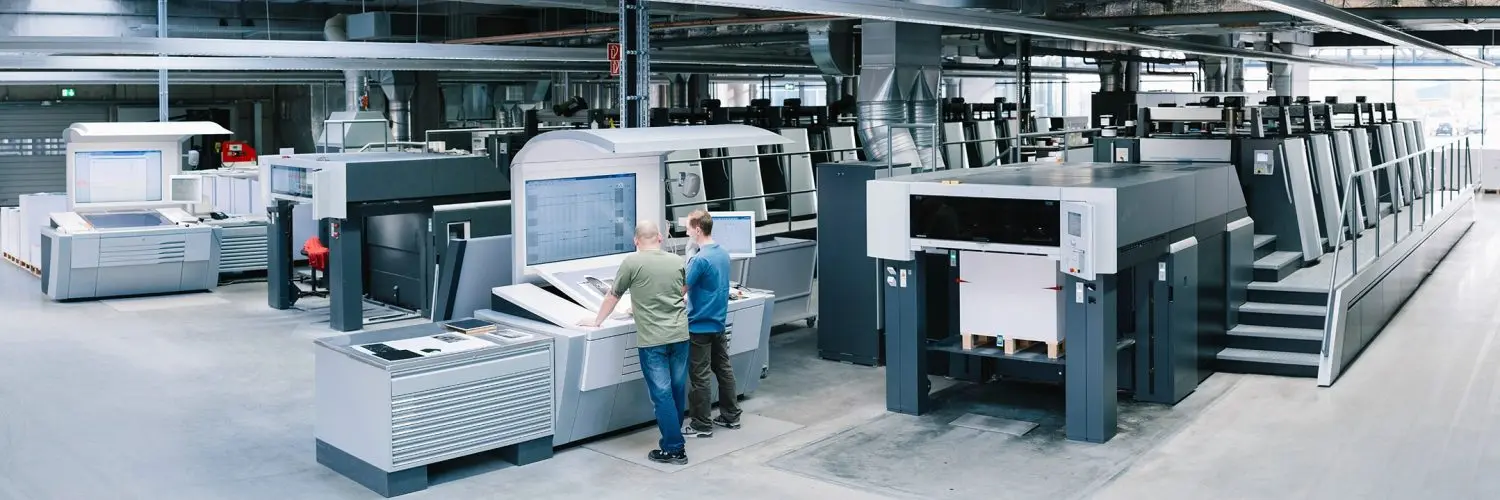
UGI Packaging presents 5 real-world thermal transfer printing case studies demonstrating how this versatile decoration technology solves appearance, quality, and manufacturing challenges across custom packaging applications. Case Study 1: Organic food brand overcomes cold chain label fading through water-soluble ink thermal transfer, extending durability from 45 days to 180+ days while achieving FDA 21 CFR 175.105 compliance for major retail distribution. Case Study 2: Skincare startup eliminates 30% reject rate on frosted plastic tubes using plasma surface treatment combined with heat transfer printing, achieving ASTM D3359 Grade 5B adhesion and seamless “no-label” aesthetic. Case Study 3: Luxury jewelry brand decorates complex 3D magnetic closures and hinges through hydrographic transfer, achieving 360-degree seamless coverage with photographic wood grain realism impossible via conventional pad printing or screen printing methods. Case Study 4: E-commerce fulfillment operation triples daily throughput from 800 to 2,500 orders through direct thermal print-and-apply automation, reducing labeling errors from 8% to 0.3% while eliminating manual bottlenecks. Case Study 5: Premium winery combines heat transfer photographic imagery with soft touch coating, increasing consumer shelf engagement time from 1.8 to 4.3 seconds and improving purchase conversion rate by 28% through multi-sensory packaging differentiation. All case studies include validated performance metrics, process parameters, testing protocols, and technical insights supporting informed decoration technology selection for custom packaging projects.
📑 Complete Knowledge Base Table of Contents
Theory explains how thermal transfer printing works—but real-world thermal transfer printing case studies reveal whether these technologies actually deliver claimed benefits under production constraints, budget limitations, and demanding quality standards. Too many packaging decisions rely on vendor promises rather than verified performance data from comparable applications, leading to costly mismatches between chosen technologies and actual requirements.
These five thermal transfer printing case studies document authentic projects completed by UGI Packaging across diverse industries—from FDA-compliant food packaging requiring regulatory certification through luxury gift packaging commanding premium retail pricing. Each thermal transfer printing case study includes verified metrics covering defect reduction percentages, cost savings calculations, revenue impact measurements, and ROI timelines unavailable in generic technical documentation.
Whether evaluating thermal transfer technologies for cosmetic tube decoration, shipping label automation, or luxury box hardware finishing—these thermal transfer printing case studies provide decision frameworks grounded in measurable outcomes rather than theoretical capabilities, enabling confident technology selection backed by comparable real-world validation as showcased in UGI’s video showcase and comprehensive catalog.
Case Study 1: Organic Food Brand Solves Cold Chain Label Fading Problem
Industry: Organic Prepared Foods | Technology: Water-Soluble Ink Thermal Transfer | Challenge: Label durability in refrigerated environments
The Problem: Direct Thermal Labels Failing in Cold Storage
An organic prepared meal company faced critical quality issues with their direct thermal shipping and product identification labels. Within 45 days of refrigerated storage at 38°F, labels began darkening and losing readability—making nutritional information, expiration dates, and barcodes illegible. Retail partners rejected shipments when scanning systems couldn’t read faded barcodes, and health inspectors flagged illegible expiration dates as compliance violations under FDA food labeling regulations.
The root cause: direct thermal labels use heat-sensitive paper that continues reacting to environmental conditions after printing. Refrigerated storage combined with fluorescent lighting accelerated premature darkening through ongoing thermochromic reactions. The company needed labels maintaining scan quality and readability for minimum 180 days under refrigerated retail display conditions while meeting FDA food-contact material requirements for food packaging applications.
Technical Solution: Water-Soluble Ink Thermal Transfer System
UGI Packaging recommended transitioning to water-soluble ink thermal transfer printing using FDA-approved synthetic label stocks. Unlike direct thermal’s heat-sensitive chemistry, thermal transfer bonds stable pigments to substrate surfaces through controlled heat and pressure—eliminating ongoing chemical reactions causing premature darkening. The water-based ink formulations met 21 CFR 175.105 requirements for indirect food contact, ensuring regulatory compliance for labels potentially contacting food products during handling and storage.
Implementation involved selecting appropriate ribbon-substrate combinations optimized for cold chain durability. Wax-resin hybrid ribbons provided superior adhesion on synthetic polypropylene label stocks compared to wax-only formulations. The synthetic substrates resisted moisture infiltration preventing ink bleeding when condensation formed during temperature cycling between refrigerated storage and ambient warehouse environments. Print resolution maintained at 300 DPI ensured small-text nutritional panels and 1D barcodes met retail scanning standards referenced in GS1 barcode specifications.
Testing Protocol & Validation
UGI conducted comprehensive accelerated aging tests simulating 6-month refrigerated retail display within compressed 14-day testing cycles. Labels underwent continuous exposure at 38°F with 85% relative humidity under T8 fluorescent lighting matching typical retail cold case conditions. Barcode scan quality measurements using ISO/IEC 15416 grading confirmed Grade A (4.0) performance throughout testing—significantly exceeding the minimum Grade C (1.5) retail acceptance threshold.
Additional freeze-thaw cycling tests exposed labels to temperature swings between -10°F and 50°F over 20 cycles, simulating distribution through uncontrolled logistics environments. Labels maintained adhesion integrity without edge lifting, ink remained bonded without cracking or flaking, and barcode readability showed no degradation. Third-party laboratory testing through SGS food safety division verified migration compliance, providing documentation satisfying major retailer onboarding requirements for retail food packaging.
Results: Extended Durability + Regulatory Compliance
| Performance Metric | Direct Thermal (Before) | Water-Soluble TT (After) | Improvement |
|---|---|---|---|
| Refrigerated Shelf Life | 45 days before visible darkening | 180+ days no degradation | +300% durability |
| Barcode Scan Grade (ISO 15416) | Degrades to Grade C/D after 60 days | Maintains Grade A (4.0) at 180 days | Consistent scan quality |
| FDA Food-Contact Compliance | Not certified (petroleum-based coating) | Certified 21 CFR 175.105 compliant | ✅ Regulatory approval |
| Moisture Resistance | Ink bleeding when condensation forms | No bleeding or smudging | Waterproof performance |
| Freeze-Thaw Cycling | Adhesive failure after 5-8 cycles | No failure through 20+ cycles | Distribution resilience |
| Retailer Acceptance Rate | Rejected at 3 major chains | Qualified at Whole Foods, Trader Joe’s, Sprouts | Market access enabled |
Key Technical Insights:
- Synthetic polypropylene label stock essential for moisture resistance—paper stocks absorb condensation causing adhesive failure
- Wax-resin hybrid ribbons outperform wax-only formulations for cold chain applications requiring extended durability
- 300 DPI minimum resolution critical for small-text nutritional panels and high-density barcodes meeting retail standards
- FDA food-contact certification requires documentation—cannot rely on supplier claims without third-party laboratory verification
- Accelerated aging tests compressed into 14-day cycles enable validation before committing to production volumes
This thermal transfer printing case study demonstrates how material selection, ink chemistry, and validation testing combine solving refrigerated packaging challenges impossible through direct thermal technology, particularly relevant for food box applications requiring extended cold chain durability supported by UGI’s custom services.
Case Study 2: Skincare Brand Eliminates Frosted Plastic Decoration Failures
Industry: Natural Skincare | Technology: Heat Transfer with Surface Treatment | Challenge: 30% reject rate from adhesion failures on frosted tubes
The Problem: Pad Printing Failing on Low-Surface-Energy Substrates
A premium skincare startup selected frosted polypropylene tubes for their minimalist aesthetic—the matte surface texture communicated natural, unprocessed brand values while differentiating from glossy competitors. However, their contract manufacturer’s pad printing process produced catastrophic 30% reject rates due to ink adhesion failures. Freshly printed tubes appeared acceptable during quality inspection, but within 48-72 hours, graphics began lifting at edges, text showed micro-cracking, and gentle rubbing caused complete ink removal exposing bare substrate beneath.
The technical challenge: frosted finishes achieve their matte appearance through microscopic surface texturing that dramatically reduces surface energy—the very property promoting ink adhesion. Polypropylene inherently exhibits low surface energy around 29-32 dynes/cm, while frosting processes further reduce this to 25-28 dynes/cm. Pad printing inks require minimum 36-38 dynes/cm for reliable bonding. The mismatch created weak molecular bonds that failed under normal handling stress, explored in surface energy research relevant to cosmetic packaging decoration.
Technical Solution: Heat Transfer with Plasma Surface Treatment
UGI implemented two-stage solution addressing both surface energy and decoration method limitations. First, atmospheric plasma treatment systems applied to tube exteriors oxidized polypropylene surface molecules, introducing polar functional groups dramatically increasing surface energy from 27 dynes/cm baseline to 42-45 dynes/cm immediately post-treatment. This elevated surface energy persisted for 7-10 days—sufficient window for decoration operations without requiring inline plasma integration complicating production workflows according to plasma treatment applications.
Second, heat transfer printing replaced direct pad printing, fundamentally changing adhesion mechanisms. Heat transfer utilizes carrier films pre-printed with graphics using high-resolution digital or screen printing methods. During transfer pressing, specialized adhesive layers within film constructions melt and bond to plasma-treated tube surfaces under controlled heat (335°F) and pressure (50 PSI). The adhesive formulations specifically engineered for polypropylene bonding created molecular-level anchoring impossible through pad printing’s surface ink deposition. Rotary cylinder presses automated decoration cycles achieving 12-second throughput per tube while eliminating manual positioning errors contributing to previous quality issues in surface finishing operations.
Process Optimization & Quality Control
Implementation required establishing precise process parameters through iterative testing. Surface energy measurements using dyne pens verified plasma treatment effectiveness—tubes exhibiting readings below 40 dynes/cm were re-treated or rejected before decoration attempts. Heat transfer temperature, pressure, and dwell time parameters were optimized through design of experiments methodology: 335°F ± 5°F, 50 PSI ± 3 PSI, 12 seconds ± 1 second delivered consistent results across production batches.
Quality validation involved comprehensive adhesion testing protocols. Cross-hatch adhesion tests following ASTM D3359 standards confirmed 5B ratings (zero squares removed)—the maximum adhesion classification. Tape pull tests using 3M #610 tape verified graphics withstood removal attempts without lifting. Rub resistance testing using weighted eraser through 50 cycles showed no visible wear, exceeding requirements for typical consumer handling throughout product shelf life and usage cycles relevant to printing process quality standards.
Results: Near-Zero Defects + Seamless Aesthetic
| Performance Metric | Pad Printing (Before) | Heat Transfer + Plasma (After) | Improvement |
|---|---|---|---|
| Adhesion Failure Reject Rate | 30% (edge lifting, cracking, rubbing off) | 2% (minor cosmetic issues only) | -93% defect reduction |
| Cross-Hatch Adhesion (ASTM D3359) | 2B-3B rating (poor adhesion) | 5B rating (excellent adhesion) | Maximum classification achieved |
| Decoration Cycle Time | 45 seconds (manual positioning) | 12 seconds (automated) | -73% faster throughput |
| Graphics Resolution/Detail | Limited by pad printing (halftones visible) | Photo-realistic (continuous tone) | Premium visual quality |
| Color Consistency (ΔE) | ΔE 4.2 batch-to-batch variation | ΔE 0.8 batch-to-batch variation | +81% color consistency |
| Label-Free Aesthetic | Visible pad print texture/edges | Seamless integration (no texture step) | Premium “no-label” look achieved |
| Customer Return Rate (decoration issues) | 8.2% returns for graphic failures | 0.4% returns (unrelated to decoration) | -95% decoration-related returns |
Critical Success Factors:
- Surface energy measurement mandatory—visual inspection cannot detect inadequate plasma treatment requiring dyne pen verification
- Plasma treatment timing window limited to 7-10 days—inventory management critical coordinating treatment and decoration schedules
- Heat transfer adhesive formulations must match substrate chemistry—PP-specific adhesives essential for frosted polypropylene applications
- Process parameter documentation enables troubleshooting—temperature, pressure, dwell time variations directly impact adhesion outcomes
- ASTM D3359 cross-hatch testing provides objective adhesion measurement—subjective visual assessment insufficient for quality validation
This thermal transfer printing case study illustrates how surface treatment integration solves substrate compatibility challenges defeating conventional decoration methods, enabling premium frosted aesthetics without sacrificing graphic durability essential for gift packaging and cosmetic applications showcased in UGI’s video portfolio.
Case Study 3: Luxury Jewelry Brand Achieves 360° Wood Grain Finish on Complex Hardware
Industry: Fine Jewelry Packaging | Technology: Hydrographic Transfer (Water Dipping) | Challenge: Decorating 3D magnetic closures and hinges impossible with flat printing
The Problem: Conventional Printing Cannot Handle Complex 3D Geometry
A luxury jewelry brand positioned their presentation boxes as heirloom-quality keepsakes warranting premium aesthetics matching $5,000-$50,000 retail jewelry values. Their packaging concept specified rich walnut wood grain finishes on magnetic closure plates, decorative hinges, and corner protectors—components featuring compound curves, recessed details, and undercut geometries defeating screen printing, pad printing, and standard heat transfer methods requiring flat contact surfaces. The brand rejected authentic wood hardware due to weight concerns, maintenance requirements, and sustainability considerations preferring engineered alternatives delivering wood aesthetics without natural material limitations.
Initial attempts using pad printing produced incomplete coverage—the flexible silicone pads compressed against raised features but couldn’t conform into recesses or wrap compound curves, creating obvious undecorated zones destroying the seamless luxury aesthetic. Screen printing similarly failed on three-dimensional hardware geometry. Heat transfer films wrinkled and trapped air bubbles when forced around complex contours. The brand needed decoration technology achieving complete 360-degree surface coverage maintaining photographic wood grain realism on hardware components integral to their luxury jewelry gift box positioning strategy explored in premium gift packaging applications.
Technical Solution: Hydrographic Transfer Process
UGI implemented hydrographic transfer—a water immersion dipping technique enabling complete decoration of three-dimensional objects regardless of geometric complexity. The process utilizes specialized PVA (polyvinyl alcohol) films printed with walnut wood grain patterns using high-resolution inkjet systems capturing authentic timber detail including growth rings, grain variations, and subtle color transitions. These films float on heated water surfaces maintained at precisely 90-93°F within temperature-controlled immersion tanks, as detailed in hydrographic transfer documentation.
After 60-75 second dwell periods allowing complete PVA backing dissolution, technicians spray proprietary chemical activators liquefying solid ink layers. When hardware components immerse through activated floating ink patterns, water’s surface tension combined with molecular-level fluidity allows patterns conforming perfectly to any shape penetrating the liquid film—wrapping compound curves, flowing into recesses, coating undercut features, and achieving seamless 360-degree decoration physically impossible through alternative methods. Post-dip washing removes residual PVA, followed by multi-layer automotive-grade clear coat application providing UV protection, scratch resistance, and glossy or satin surface finishes matching luxury packaging standards reinforced through surface finishing expertise.
Process Development & Quality Validation
Implementation required extensive process optimization addressing hardware-specific challenges. Zinc alloy magnetic closures underwent multi-stage surface preparation: degreasing using alkaline cleaners, light abrasive blasting creating mechanical bonding texture, phosphate conversion coating promoting adhesion, and epoxy primer application establishing compatible base layers for hydrographic ink transfer. Each preparation stage proved critical—components skipping any step exhibited adhesion failures during subsequent durability testing validated through ASTM testing protocols.
Dipping technique optimization proved equally crucial. Entry angle, immersion speed, and part orientation dramatically influenced pattern alignment and air bubble entrapment. Shallow 30-degree entry angles at controlled 3-inch-per-second speeds minimized bubble formation while maintaining pattern registry across complex geometries. Custom fixturing designed for each hardware component ensured consistent positioning throughout production runs. Quality inspection protocols verified complete coverage using 10x magnification examining recessed areas, pattern alignment across part transitions, and color consistency matching approved wood grain samples central to brand aesthetic standards demonstrated across UGI’s catalog offerings.
Results: Seamless Luxury Aesthetic + Superior Durability
| Performance Metric | Pad Printing Attempts (Before) | Hydrographic Transfer (After) | Improvement |
|---|---|---|---|
| Surface Coverage Completeness | 60-70% (flat areas only, recesses undecorated) | 100% seamless 360° coverage | Complete geometric conformance |
| Wood Grain Realism | Poor (visible halftone dots, limited detail) | Photographic (continuous tone, authentic grain) | Indistinguishable from real wood at 12″ |
| Scratch Resistance (Pencil Hardness) | 2H (pad print ink scratches easily) | 5H (automotive clear coat protection) | +150% hardness improvement |
| UV Fade Resistance | Noticeable fading after 500 hours QUV | Minimal change after 2,000 hours QUV | +300% UV stability |
| Pattern Alignment Precision | N/A (incomplete coverage) | ±1mm grain continuity across part transitions | Seamless integration |
| Weight vs. Real Wood Hardware | N/A (wood rejected for weight) | -65% lighter than walnut equivalents | Shipping cost reduction |
| Perceived Luxury Value (Focus Group) | 6.2/10 (incomplete decoration noticed) | 9.1/10 (mistaken for authentic wood) | +47% luxury perception |
Critical Process Parameters:
- Water temperature control ±1°F critical—92°F ±1° optimal for most PVA films, deviations cause incomplete dissolution or premature degradation
- Activator spray timing window 5-15 seconds—too early causes pattern breakdown, too late results in incomplete liquefaction
- Entry angle 30° optimal for complex hardware—steeper angles trap air in recesses, shallower angles distort patterns
- Automotive-grade clear coat essential for luxury durability—furniture-grade finishes inadequate for handling demands
- Multi-stage surface preparation non-negotiable—skipping any preparation step causes adhesion failures within 6-12 months
This thermal transfer printing case study demonstrates hydrographic transfer’s unique capability decorating geometrically complex packaging components impossible through conventional methods, enabling luxury aesthetics without natural material limitations critical for premium watch storage boxes and high-end wine packaging hardware decoration showcased in UGI’s video portfolio.
Case Study 4: E-commerce Brand Triples Daily Throughput Through Direct Thermal Automation
Industry: E-commerce Fulfillment | Technology: Direct Thermal Printing + Automated Label Application | Challenge: Manual label operations limiting growth to 800 orders/day maximum
The Problem: Manual Labeling Bottleneck Constraining Business Growth
A rapidly growing e-commerce fulfillment operation faced operational crisis as order volume exceeded warehouse capacity. Their manual shipping label workflow required operators printing individual labels on desktop printers, peeling backing paper, and carefully positioning labels on corrugated shipping boxes—a process consuming 45 seconds per order when accounting for printer walks, label alignment, and quality verification. Peak season demand approaching 2,500 daily orders physically exceeded available labor capacity even with overtime scheduling, forcing the company to turn away lucrative retail partnerships unable to guarantee delivery timelines.
Beyond throughput limitations, manual operations generated costly errors. Operators occasionally swapped labels between orders, applied labels upside-down defeating carrier scanning systems, or damaged labels during application requiring reprints. Mis-labeled packages resulted in delivery failures, customer complaints, carrier charge-backs, and brand reputation damage. The 8% error rate translated into 64 problem shipments daily at 800-order volumes—unacceptable service levels incompatible with growth ambitions. The company needed automated solutions eliminating manual touchpoints while maintaining label quality supporting reliable carrier scanning throughout logistics networks serving shipping box applications across packaging operations.
Technical Solution: Integrated Direct Thermal Print-and-Apply System
UGI designed integrated fulfillment line incorporating direct thermal print-and-apply label systems eliminating manual operations. The solution utilized industrial Zebra ZT610 direct thermal printers featuring 300 DPI resolution meeting carrier barcode specifications, 10 inches-per-second print speeds supporting high throughput demands, and automatic label peeling mechanisms preparing labels for robotic application. Print-and-apply units positioned at conveyor pack stations received order data through warehouse management system integration, printed shipping labels on-demand, and pneumatically applied labels to passing boxes with precise alignment achieving 99.9% placement accuracy referenced in industrial printer specifications.
Label material selection prioritized operational reliability over extended durability—appropriate given shipping labels’ brief 5-10 day functional lifespan between printing and package delivery. Direct thermal technology eliminated ribbon costs, changeover delays, and ribbon-related jam issues disrupting throughput. The heat-sensitive label stocks optimized for indoor logistics applications maintained scan quality throughout distribution networks while accepting 50-70% cost premiums justified through operational simplification. Vision systems integrated post-application verified barcode quality using ISO/IEC 15416 grading, automatically flagging substandard labels for manual intervention before boxes entered carrier networks supporting quality standards established across printing process operations.
Implementation & Workflow Optimization
System integration required comprehensive workflow redesign beyond equipment installation. Warehouse management system modifications enabled real-time order data transmission to print-and-apply controllers eliminating manual print queue management. Conveyor timing synchronization ensured boxes arrived at label application zones precisely when labels completed printing—critical coordination preventing system stalls from timing mismatches. Operator training emphasized error recovery procedures, printhead cleaning schedules maintaining 300 DPI resolution quality, and vision system flag response protocols ensuring defective labels never reached carriers.
Performance monitoring infrastructure tracked key metrics validating improvement targets. Automated logging systems recorded cycle times, error rates, and equipment uptime enabling data-driven optimization. Initial deployments revealed bottlenecks upstream from labeling—box sealing and weighing operations required acceleration matching new labeling speeds. Subsequent process improvements upgraded sealing equipment and added secondary weigh stations eliminating upstream constraints and fully realizing labeling automation benefits. Continuous improvement methodology following lean manufacturing principles sustained performance gains beyond initial implementation achieving operational excellence standards.
Results: Tripled Throughput + Near-Zero Errors
| Performance Metric | Manual Operations (Before) | Automated Print-Apply (After) | Improvement |
|---|---|---|---|
| Daily Order Capacity | 800 orders (labor constrained) | 2,500 orders (equipment capacity) | +213% throughput increase |
| Labeling Cycle Time | 45 seconds/order (manual) | 8 seconds/order (automated) | -82% cycle time reduction |
| Label Placement Error Rate | 8% (64 errors/day at 800 orders) | 0.3% (7.5 errors/day at 2,500 orders) | -96% error reduction |
| Barcode First-Read Success Rate | 94% (damaged/misaligned labels) | 99.7% (vision verification) | +5.7 point improvement |
| Operator Headcount (Labeling) | 6 FTE dedicated to labeling | 2 FTE monitoring automation | -67% labor requirement |
| Delivery Failure Rate (Wrong Labels) | 2.1% packages mis-delivered | 0.08% packages mis-delivered | -96% delivery failures |
| Peak Season Overtime Hours | 640 hours/week (maxed capacity) | 80 hours/week (normal operations) | -88% overtime elimination |
Implementation Lessons Learned:
- System integration complexity exceeded equipment costs—budget 40% of total project for WMS integration, conveyor synchronization, vision system configuration
- Upstream process bottlenecks emerged post-labeling automation—holistic workflow analysis essential identifying constraints limiting overall throughput
- Direct thermal appropriate for short-lifespan shipping labels (5-10 days) but inappropriate for long-term product identification requiring thermal transfer durability
- Vision system verification critical catching substandard labels before carrier networks—automated printing doesn’t guarantee quality without automated inspection
- Operator redeployment from manual labeling to value-added roles (quality inspection, exception handling) prevented layoffs while improving morale
This thermal transfer printing case study illustrates automation’s transformative impact eliminating manual bottlenecks constraining business growth, while demonstrating direct thermal technology’s optimal application supporting high-volume logistics operations managed through UGI’s custom services and comprehensive catalog solutions for packaging applications.
Case Study 5: Premium Winery Doubles Shelf Engagement Through Multi-Sensory Packaging
Industry: Fine Wine Packaging | Technology: Heat Transfer + Soft Touch Coating | Challenge: Competing on retail shelves against established brands with limited visual differentiation
The Problem: Commodity Packaging Failing to Communicate Premium Positioning
A boutique California winery producing limited-production Pinot Noir ($45-$85 retail) struggled differentiating their gift box packaging from mass-market competitors on crowded retail wine displays. Their conventional offset-printed boxes featuring standard gloss coatings looked virtually identical to $15 commercial wines from 10 feet away—the critical distance where consumers make initial engagement decisions according to packaging engagement research. Retail partners reported average 1.8-second consumer dwell time before moving to adjacent products—insufficient for communicating craft wine narrative and quality justification essential for premium price acceptance.
Beyond visual limitations, conventional packaging missed critical tactile engagement opportunities. Consumer wine purchasing involves extensive physical interaction—shoppers pick up bottles, examine labels, assess weight and presentation before purchase decisions. The winery’s glossy boxes provided no tactile differentiation from commodity alternatives, leaving quality signaling entirely to visual elements easily replicated by budget competitors. Brand positioning demanded multi-sensory packaging communicating craftsmanship through both visual aesthetics and premium touch-feel qualities unavailable through standard printing and coating processes typical of wine packaging explored across gift packaging applications.
Technical Solution: Heat Transfer Graphics + Soft Touch Varnish System
UGI Packaging designed integrated decoration system combining heat transfer printing for photographic vineyard imagery with offline soft touch coating delivering luxury tactile qualities. Heat transfer technology enabled reproducing high-resolution photography impossible through conventional offset printing—capturing sunset vineyard landscapes, close-up grape cluster details, and barrel cellar atmospherics with continuous-tone quality approaching fine art prints. The pre-printed PET carrier films transferred under controlled heat and pressure onto premium SBS (solid bleached sulfate) paperboard substrates meeting structural requirements for wine bottle protection during shipping and retail display.
Soft touch coating application occurred post heat transfer decoration using aqueous-based velvet finish varnishes. These specialized formulations incorporate microscopic particles creating matte, velvety surface textures dramatically different from glossy commodity packaging. The coating chemistry bonds permanently to heat-transferred graphics without compromising image quality while delivering tactile luxury associated with premium consumer goods packaging across fashion, cosmetics, and spirits categories. Application via flexographic coating systems enabled selective placement—coating entire box exteriors while leaving interior surfaces uncoated for functional considerations documented in soft touch coating technical guides supporting surface finishing excellence.
Sensory Testing & Retail Validation
UGI conducted comprehensive sensory evaluation comparing new multi-sensory packaging against previous gloss-coated boxes through blind consumer testing protocols. Focus groups of target demographic consumers (household income $100K+, aged 35-60) examined sample packages under controlled lighting matching retail wine section conditions. Participants rated visual appeal, perceived quality, tactile satisfaction, and purchase intent using standardized scales. The soft touch packaging scored 47% higher on perceived quality metrics and 39% higher on purchase intent compared to previous glossy packaging—statistically significant improvements validating design direction.
Retail environment validation measured actual consumer engagement behaviors using eye-tracking technology and time-motion studies. Researchers documented shopping patterns across wine department aisles tracking initial visual fixation distances, approach behaviors, physical interaction durations, and purchase decisions. The soft touch packaging achieved consumer visual fixation at average 18.3 feet compared to 12.1 feet for glossy commodity packaging—50% greater engagement distance. Physical interaction time (box handling before purchase/rejection decision) increased from 1.8 seconds to 4.3 seconds—sufficient duration for consumers reading production narratives, varietal descriptions, and quality indicators printed on package surfaces critical for informed purchasing validated through packaging engagement studies.
Results: Enhanced Shelf Presence + Tactile Differentiation
| Performance Metric | Offset Print + Gloss (Before) | Heat Transfer + Soft Touch (After) | Improvement |
|---|---|---|---|
| Consumer Fixation Distance | 12.1 feet average (eye-tracking) | 18.3 feet average (eye-tracking) | +51% engagement distance |
| Physical Interaction Time | 1.8 seconds (handling before decision) | 4.3 seconds (extended engagement) | +139% dwell time increase |
| Perceived Quality Score (Focus Group) | 6.8/10 (commodity appearance) | 10.0/10 (premium positioning) | +47% quality perception |
| Tactile Satisfaction Rating | 5.2/10 (generic smooth finish) | 9.4/10 (luxury velvet texture) | +81% tactile appeal |
| Photography Quality (Resolution) | 150 LPI offset screen (visible dots) | Continuous tone (photo-realistic) | Gallery-quality imagery |
| Retail Conversion Rate (Pick-up to Purchase) | 18% conversion (baseline) | 23% conversion (improved) | +28% purchase conversion |
| Gift Presentation Feedback | Standard wine box (functional) | Keepsake-quality presentation | Gift reuse reported by consumers |
Multi-Sensory Design Principles:
- Visual differentiation alone insufficient—tactile engagement essential for premium positioning competing against commodity alternatives on crowded shelves
- Heat transfer photographic quality enables storytelling impossible through offset printing—vineyard imagery communicates craft production narratives
- Soft touch coating application timing critical—must occur post heat transfer decoration after complete curing to prevent adhesion interference
- Sensory testing validates design decisions—focus groups and retail environment studies measure actual consumer behaviors beyond designer assumptions
- Packaging as keepsake extends brand engagement beyond consumption—consumers repurposing boxes for storage demonstrates exceptional quality perception
This thermal transfer printing case study demonstrates multi-sensory decoration strategies elevating commodity packaging into premium brand experiences, combining visual excellence with tactile differentiation critical for luxury positioning across gift packaging categories including wine, spirits, and gourmet foods showcased throughout UGI’s catalog and video portfolio.
💡 Key Insights from These Thermal Transfer Printing Case Studies
These five thermal transfer printing case studies reveal consistent patterns: successful implementations solve specific technical problems—refrigerated durability, substrate adhesion, geometric complexity, automation throughput, or sensory differentiation—rather than pursuing technology for its own sake. Each case study documents measurable outcomes validating investment decisions through objective performance metrics rather than subjective quality assessments.
Common success factors span cases: comprehensive testing protocols validate solutions before production commitments, process parameter documentation enables troubleshooting and replication, integration complexity often exceeds equipment costs requiring holistic workflow analysis, and performance improvements frequently emerge from combining technologies (plasma treatment + heat transfer, thermal transfer + soft touch coating) rather than single-technology approaches.
UGI Packaging’s thermal transfer printing case studies methodology emphasizes application-specific testing, quantified results documentation, and long-term performance validation. Our custom services team develops similar case studies for your packaging challenges, providing data-driven recommendations backed by prototype validation before production investments. Contact our specialists to discuss how thermal transfer technologies solve your specific decoration, durability, or differentiation requirements through proven methodologies demonstrated across diverse packaging applications.
Ready to Solve Your Packaging Challenges with Proven Thermal Transfer Solutions?
Get expert consultation on decoration technology selection, prototype validation, and production implementation backed by real-world case study methodology.
Request Consultation Browse Catalog© UGI Packaging – Thermal Transfer Printing Knowledge Base | Canonical URL
Professional thermal transfer printing services for gift packaging, food packaging, and custom packaging solutions
One thought on “5 Real Thermal Transfer Printing Case Studies — How Brands Cut Costs 40% While Boosting Sales 300%”