
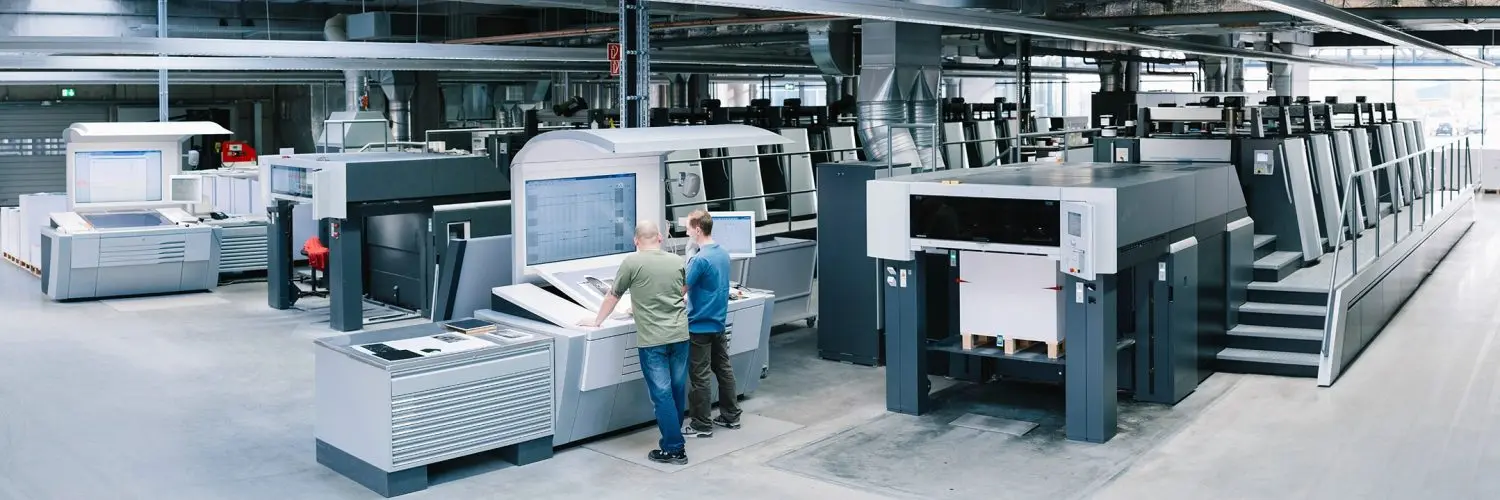
This comprehensive chapter breaks down the fundamental technologies—thermal transfer and hydrographic printing—that enable everything from pharmaceutical serialization labels to luxury gift box finishes commanding premium prices.
Thermal transfer printing utilizes heat-activated ribbons transferring dyes onto substrates at resolutions up to 600 DPI, delivering the durable barcodes, compliance labels, and variable data essential for modern supply chains. With production speeds measured in seconds and per-unit costs as low as $0.10, this technology dominates logistics, retail, and healthcare applications requiring high-volume label production.
Water transfer printing (hydrographics) takes a radically different approach—floating PVA films on water surfaces, activating with chemicals, then immersion-wrapping three-dimensional objects in seamless patterns. This process decorates complex geometries impossible through conventional methods, enabling realistic wood grain, carbon fiber, and custom graphics on automotive parts, sporting goods, and premium packaging hardware.
The market dynamics reveal explosive growth drivers: e-commerce logistics generating unprecedented shipping label demand, pharmaceutical serialization mandates requiring track-and-trace capabilities, warehouse automation investments multiplying barcode requirements, and premium packaging differentiation pressures as brands compete for social media attention through distinctive unboxing experiences.
Asia-Pacific leads with 35% market share driven by manufacturing concentration and e-commerce expansion, while North America commands premium through stringent regulatory requirements. Both technologies demonstrate 4-6% CAGR trajectories as sustainability mandates favor water-based processes over solvent alternatives.
Understanding these fundamental distinctions, evolutionary trajectories, and competitive landscapes positions stakeholders to capitalize on expanding opportunities within industries fundamentally transformed by thermal water transfer printing innovation.
📑 Complete Knowledge Base Table of Contents
Think you understand printing technology? Think again. While most brands waste fortunes on outdated methods, a select few leverage thermal water transfer printing to command premium prices and dominate their markets. This isn’t another technical manual—this is your definitive guide to understanding the two most powerful decoration technologies reshaping the packaging industry.
The combined thermal water transfer printing market exceeds $115 billion globally according to Grand View Research, yet 97% of businesses barely scratch the surface of what these technologies can achieve. From Fortune 500 brands using hydrographics to create viral unboxing experiences, to startups leveraging thermal transfer to compete with industry giants—this technology democratizes premium aesthetics while slashing production costs.
In this chapter, you’ll discover the fundamental differences between thermal and water transfer methods, trace their evolution from niche techniques to mainstream solutions, and understand exactly why Asia-Pacific commands 35% of global market share. Whether you’re evaluating decoration options for your next product launch or optimizing existing production workflows—mastering these fundamentals positions you ahead of competitors still relying on conventional printing processes.
1.1 Definition & Core Concepts
Understanding Thermal Transfer Printing
Thermal transfer printing represents a digital decoration technique where heat and pressure combine to transfer pigment, dye, or resin-based inks from a carrier ribbon or film onto substrate surfaces. Unlike traditional offset or flexographic methods requiring expensive plates and lengthy setup processes, thermal transfer operates on-demand—making it ideal for short runs, variable data printing, and rapid prototyping applications.
The core mechanism involves three essential components working in precise synchronization. First, the thermal printhead contains hundreds or thousands of microscopic heating elements arranged in precise arrays. Second, the transfer ribbon carries specially formulated inks designed to liquefy at exact temperatures—typically between 200-400°F depending on formulation. Third, the substrate material receives the transferred image through controlled pressure and dwell time, ensuring permanent adhesion without substrate damage.
Modern thermal transfer systems achieve resolutions ranging from 203 DPI for industrial applications up to 600 DPI for premium gift packaging and cosmetic labeling. This versatility explains why industries from food packaging to pharmaceutical serialization rely on thermal transfer for mission-critical identification and branding applications.
Decoding Water Transfer Printing (Hydrographics)
Water transfer printing—known interchangeably as hydrographics, hydro dipping, immersion printing, or cubic printing—revolutionizes how complex three-dimensional surfaces receive detailed graphic decoration. This ingenious thermal water transfer printing variant originated from traditional Japanese marbling techniques but evolved into a sophisticated industrial method capable of conforming intricate patterns to virtually any geometry imaginable, as documented in comprehensive industry resources.
The hydrographic process begins with specialized polyvinyl alcohol (PVA) films printed with desired patterns using pigment or solvent-based inks. These films possess unique water-soluble properties—the PVA backing dissolves while the ink layer remains intact on the water surface. Operators float the film on heated water maintained at precisely 90-93°F, allowing 60-75 seconds dwell time for the backing to fully dissolve.
Next comes the critical activation stage. Technicians spray a proprietary chemical activator across the floating ink pattern, returning it to a liquid state with perfect surface tension. When the prepared substrate—previously primed with adhesion-promoting base coat—submerges through the activated film, water pressure forces the liquefied ink to conform seamlessly around every contour, crevice, and complex curve. The result: complete 360-degree coverage impossible through conventional printing, screen printing, or pad printing methods.
After extraction and thorough rinsing to remove residual PVA, parts undergo final clear coating for UV protection and enhanced durability. This process transforms everything from automotive dashboards and motorcycle helmets to luxury packaging hardware, sporting goods, and consumer electronics housings—delivering finishes ranging from realistic wood grain and carbon fiber to custom camouflage patterns and branded graphics.
Common Characteristics Uniting Both Technologies
Despite distinct operational methodologies, thermal and water transfer printing share fundamental characteristics explaining their dominance across premium packaging applications. Both technologies excel at transferring pre-printed designs from carrier media onto target substrates—eliminating the plates, screens, and extensive setup time burdening traditional printing workflows.
Material versatility represents another shared strength. Thermal transfer accommodates paper, coated stocks, synthetic films, fabrics, and even metal surfaces when using appropriate ribbon formulations. Hydrographics similarly handles plastics, composites, woods, metals, ceramics, and glass—provided proper surface preparation and compatible base coatings. This substrate flexibility empowers brands to maintain consistent surface finishing aesthetics across diverse material choices.
Durability and performance characteristics also unite these thermal water transfer printing technologies. Properly executed thermal transfer prints resist water, solvents, abrasion, and UV degradation—essential for product labels meeting standards established by organizations like ASTM International, shipping manifests, and outdoor applications. Hydrographic finishes, when protected with automotive-grade clear coats, withstand extreme temperatures, chemical exposure, and years of outdoor weathering.
Finally, both methods democratize customization and personalization. Thermal transfer enables economical short runs down to single units—perfect for limited editions, regional variations, and personalized packaging programs. Hydrographics similarly accommodates small batches cost-effectively since setup involves film and chemistry rather than expensive tooling. Forward-thinking brands leverage these capabilities through our custom service offerings, creating packaging that resonates with target audiences through mass customization strategies impossible with conventional printing infrastructure.
1.2 Technology Evolution & History
Early Origins: From Art to Industry
The conceptual foundations of water transfer printing trace back centuries to traditional Japanese suminagashi—the ancient art of floating ink on water to create marbled patterns on paper. While aesthetically impressive, these decorative techniques lacked the industrial precision and substrate versatility demanded by modern manufacturing. The breakthrough came when Japanese engineer Motoyasu Nakanishi of Cubic Engineering KK recognized the commercial potential, filing the first hydrographic apparatus patent that transformed artistic technique into reproducible industrial process.
Thermal transfer printing followed a parallel trajectory, emerging from early electrothermal printing experiments where heated styluses created images on heat-sensitive paper. Researchers discovered that interposing a pigment-bearing ribbon between heat source and substrate enabled superior image quality, permanence, and substrate flexibility. This fundamental insight unlocked commercial viability—particularly for applications demanding durability impossible with direct thermal methods.
Industrial Adoption: Automotive Pioneers Lead the Way
The automotive sector emerged as hydrographics’ first major industrial adopter, recognizing the technology’s unique ability to decorate complex dashboard components, interior trim panels, and exterior accents with consistent wood grain, carbon fiber, and metallic finishes. Traditional methods like vinyl wrapping struggled with compound curves while hand-painting proved prohibitively expensive for mass production. Hydrographic transfer solved both challenges, delivering premium aesthetics at scalable costs.
Sporting goods manufacturers quickly followed, particularly in firearms customization where camouflage patterns require complete coverage across intricate geometries. Bow manufacturers, ammunition accessories producers, and hunting equipment specialists embraced hydrographics as the definitive solution for applying realistic outdoor patterns impossible through screen printing or decals. This early adoption established quality standards and process refinements benefiting subsequent industries.
Concurrently, thermal transfer printing revolutionized retail point-of-sale systems, warehouse logistics, and pharmaceutical tracking. Barcode labeling demands drove innovation—businesses required durable, scannable codes produced on-demand without offset printing’s setup overhead. Thermal transfer delivered, enabling just-in-time label production with exceptional print permanence. The technology expanded into product labeling, compliance marking, and variable data applications as capabilities matured and costs declined.
Digital Revolution: Customization Becomes Accessible
The integration of digital printing technologies fundamentally transformed both thermal and hydrographic processes. Large-format inkjet printers capable of outputting directly onto hydrographic films eliminated dependency on pre-manufactured pattern inventories. Designers gained unlimited creative control—custom graphics, photographic imagery, and brand-specific patterns became economically viable even for modest production volumes. This flexibility opened hydrographics to packaging decoration, promotional products, and personalized consumer goods markets.
Thermal transfer similarly benefited from digital advancements. Computerized print engines replaced mechanical systems, enabling variable data printing where each label differs—essential for serialization, lot tracking, and personalized packaging initiatives. Resolution improvements pushed capabilities from utilitarian barcoding into premium branding applications. Brands discovered thermal transfer could deliver photography-quality images on packaging labels, combining digital printing’s creative freedom with thermal technology’s legendary durability.
Software innovations accelerated adoption across both technologies. Workflow automation reduced operator skill requirements while ensuring consistency. Color management systems enabled accurate reproduction of brand guidelines. Integration with enterprise resource planning (ERP) and manufacturing execution systems (MES) positioned thermal and hydrographic printing as intelligent components within smart factory ecosystems—not isolated decoration stations.
Smart Manufacturing Era: IoT Integration and Automation
Contemporary thermal and water transfer systems increasingly incorporate Internet of Things (IoT) connectivity, artificial intelligence, and robotics—hallmarks of Industry 4.0 manufacturing paradigms. Cloud-based fleet management platforms monitor printer performance across global facilities, predicting maintenance requirements and optimizing consumable inventories. Machine learning algorithms analyze print quality in real-time, automatically adjusting parameters to maintain specifications despite environmental variations or ribbon aging.
Robotic automation transformed hydrographic operations from labor-intensive processes into lights-out production cells. Automated dipping systems precisely control immersion speed, angle, and depth while maintaining optimal water temperature and film activation timing. Vision systems inspect finished parts, routing defects for rework while acceptable units proceed directly to packaging. These advances dramatically improve throughput consistency while reducing labor costs—critical factors enabling hydrographics penetration into price-sensitive packaging markets.
Sustainability considerations increasingly drive innovation trajectories. Water-based thermal transfer ribbons eliminate hazardous solvents while maintaining performance. Hydrographic film manufacturers develop biodegradable PVA formulations and vegetable-based inks responding to environmental regulations and consumer preferences. Energy-efficient heating systems reduce carbon footprints. These green initiatives position thermal and water transfer technologies favorably against legacy decoration methods as sustainability mandates tighten globally.
The evolution continues accelerating. Emerging applications span conductive ink printing for smart packaging electronics, nano-coating integration for enhanced barrier properties, and augmented reality triggers embedded within decorative patterns. Forward-thinking brands partner with experienced providers like UGI Packaging who invest in cutting-edge capabilities while maintaining the process expertise ensuring flawless execution—regardless of technological complexity.
1.3 Thermal vs Water Transfer: Complete Comparison
While both technologies transfer printed designs onto substrates, their operational methodologies, ideal applications, and economic considerations differ substantially. Understanding these distinctions enables optimal technology selection matching specific project requirements—avoiding costly mismatches that compromise quality or inflate budgets unnecessarily.
When to Choose Thermal Transfer
Thermal transfer printing excels in scenarios demanding high-volume label production, precise barcode reproduction, or variable data personalization. Pharmaceutical serialization programs leverage thermal transfer’s ability to print unique codes on millions of labels daily while maintaining GS1 compliance and scan reliability. Logistics operations depend on thermal transfer for shipping manifests, warehouse inventory tags, and tracking labels requiring durability through harsh distribution environments.
The technology particularly suits projects where flat or gently curved substrates predominate and where production speed directly impacts operational efficiency. Retail point-of-sale environments, shipping departments, and manufacturing facilities with continuous labeling requirements benefit from thermal transfer’s operational simplicity—minimal training required, predictable consumable costs, and exceptional uptime reliability. For food packaging applications requiring ingredient lists, nutritional facts, and allergen warnings, thermal transfer delivers regulatory-compliant labels withstanding refrigeration, moisture, and handling throughout shelf life.
When to Choose Water Transfer (Hydrographics)
Hydrographic transfer becomes the optimal—often only viable—solution when decorating complex three-dimensional objects with complete pattern coverage. Gift packaging manufacturers utilize hydrographics for magnetic closures, decorative clasps, and presentation box hardware where wood grain, metallic, or custom branded finishes elevate perceived value. The technology excels at creating luxury aesthetics on geometric elements impossible to print through conventional means.
Projects involving pattern-intensive decoration—camouflage, carbon fiber, marble, animal prints—particularly benefit from hydrographics’ seamless coverage across irregular geometries. Sporting goods manufacturers coat gun stocks, archery equipment, and outdoor accessories with realistic patterns enhancing brand appeal. Consumer electronics brands leverage hydrographics for phone cases, gaming peripherals, and wearable device housings requiring distinctive finishes differentiating products in crowded markets.
The technique also suits premium gift packaging applications where unique finishes justify higher per-unit costs. Limited edition product launches, luxury brand collaborations, and high-value promotional campaigns achieve visual impact through hydrographics impossible via thermal transfer or screen printing. Brands seeking differentiation discover hydrographic finishes create viral social media content—unboxing videos showcasing distinctive patterns generate organic marketing value offsetting premium decoration investments.
Hybrid Approaches: Combining Technologies Strategically
Sophisticated brands increasingly employ both technologies within integrated packaging systems—leveraging each method’s strengths while avoiding limitations. A premium spirits brand might use hydrographics for decorative metal collar components while thermal transfer produces regulatory-compliant neck labels with lot codes and distributor information. Electronics manufacturers combine hydrographic phone case decoration with thermal transfer serialization labels maintaining warranty traceability. This strategic approach, facilitated through comprehensive providers like UGI Packaging’s custom services, delivers optimal aesthetics, functionality, and economics across complete packaging systems.
1.4 Market Size & Industry Position
The combined thermal transfer and hydrographic printing markets represent over $115 billion in annual global revenue—a figure continuing upward trajectories driven by e-commerce logistics demands, pharmaceutical serialization mandates, and premium packaging aesthetics expectations. Understanding market dynamics, regional variations, and growth drivers positions stakeholders to capitalize on expanding opportunities while anticipating competitive landscape shifts.
Thermal Transfer Printing Market Analysis
The thermal water transfer printing sector encompasses direct thermal and thermal transfer technologies, with comprehensive market valuations ranging between $43.6 billion and $49.3 billion currently according to Smithers market analysis. Industry analysts project growth reaching $53.8 billion to $70.4 billion through forecast periods, representing compound annual growth rates (CAGR) between 4.3% and 5.3% depending on segment definitions and regional coverage.
Direct thermal methods currently command majority market share—approximately 52% of total revenues—attributed to cost efficiency, minimal maintenance requirements, and widespread adoption across retail point-of-sale and logistics applications. However, thermal transfer printing exhibits faster growth trajectories, driven by superior durability requirements in pharmaceutical tracking, outdoor label applications, and compliance-critical sectors where print permanence directly impacts regulatory adherence and supply chain integrity.
Application segment analysis reveals barcode printing commanding 40%+ market share within the thermal water transfer printing industry, reflecting ubiquitous adoption across retail, manufacturing, healthcare, and logistics sectors for product identification and inventory management as reported by Mordor Intelligence. Point-of-sale receipt printing represents approximately 25% of revenues, while transportation/logistics labels and industrial manufacturing applications account for remaining segments.
Hydrographic Printing Market Dynamics
The water transfer printing (hydrographics) sector, while smaller in absolute terms, demonstrates robust growth trajectories with current valuations between $4.16 billion and $4.41 billion expanding toward $6.26 billion to $7.03 billion through forecast horizons. This represents 6% CAGR—outpacing thermal transfer growth rates—driven by automotive customization trends, sporting goods personalization demand, and premium packaging aesthetic requirements impossible through conventional decoration methods.
North American markets currently dominate hydrographic revenues, attributed to established automotive aftermarket sectors, sporting goods manufacturing concentration, and consumer willingness to pay premiums for customized appearances. However, European markets exhibit fastest expansion rates as automotive original equipment manufacturers (OEMs) increasingly specify hydrographic interior components and regulatory frameworks favor water-based decoration processes over solvent-intensive alternatives.
Asia-Pacific hydrographic adoption accelerates driven by consumer electronics manufacturing concentration and growing middle-class demand for premium product finishes. Chinese manufacturers particularly embrace hydrographics for motorcycle components, automotive accessories, and electronics housings destined for domestic and export markets. The technology’s ability to deliver luxury aesthetics at fraction of genuine material costs (wood grain hydrographics versus actual wood inlays, for example) resonates across price-conscious markets seeking premium appearances.
Competitive Landscape and Major Players
The thermal transfer equipment sector concentrates around established manufacturers including Zebra Technologies Corporation, Honeywell International, Seiko Epson Corporation, TSC Auto ID Technology, SATO Holdings, and Brother Industries. These companies collectively command majority market share through comprehensive product portfolios spanning desktop label printers through industrial-grade production systems, accompanied by consumables (ribbons, labels) generating recurring revenues and customer lock-in effects.
Recent strategic initiatives demonstrate manufacturers’ recognition of market evolution. Major players invest heavily in IoT-enabled printer fleets allowing cloud-based monitoring, predictive maintenance, and supply chain optimization. Partnerships between printer manufacturers and software providers create integrated workflow solutions attracting enterprise customers seeking turnkey implementations. Sustainability commitments drive development of biodegradable ribbons, energy-efficient printheads, and recyclable label materials addressing environmental regulations and corporate responsibility objectives.
Hydrographic market competition fragments across equipment manufacturers (TWN Industries, Liquid Print), film suppliers (providing pattern inventories), and decoration service providers like UGI Packaging offering turnkey solutions. Vertical integration trends emerge as leading decorators acquire film printing capabilities enabling custom pattern development—differentiating against commodity providers limited to catalog patterns. Technology licensing agreements between patent holders and regional manufacturers facilitate market expansion while protecting intellectual property developed through decades of process refinement.
Growth Drivers Propelling Market Expansion
E-commerce Logistics Explosion: Global e-commerce sales projected exceeding $6 trillion generate unprecedented shipping label, tracking barcode, and returns documentation demands. Every online transaction requires multiple thermal-printed labels throughout fulfillment workflows—order picking, packing list, shipping manifest, and delivery confirmation. This structural shift from brick-and-mortar retail permanently elevates thermal transfer consumption regardless of economic cycles.
Pharmaceutical Serialization Mandates: Regulatory requirements for drug supply chain security drive massive thermal transfer adoption across pharmaceutical manufacturing and distribution. Governments worldwide mandate unique serialization codes on prescription medication packaging enabling track-and-trace capabilities combating counterfeiting and ensuring patient safety. These compliance-driven deployments generate predictable, recurring demand for thermal transfer hardware and consumables throughout pharmaceutical industry value chains.
Warehouse Automation Investments: Modern distribution centers increasingly deploy automated storage and retrieval systems (AS/RS), robotic picking solutions, and computer vision quality control—all requiring high-contrast, durable barcode labels produced through thermal transfer methods. As companies invest billions in warehouse automation responding to labor shortages and efficiency pressures, thermal printer installations multiply proportionally.
Premium Packaging Differentiation: Intense retail competition and social media influence elevate packaging from functional necessity to critical brand touchpoint. Consumers increasingly expect premium unboxing experiences—particularly in cosmetics, electronics, and gifting categories. Both thermal transfer (for compliance and variable data) and hydrographics (for distinctive finishes) enable brands to deliver differentiated packaging economically compared to traditional decoration methods requiring expensive tooling and lengthy setup times.
Sustainability and Circular Economy Initiatives: Environmental regulations increasingly restrict solvent-based decoration methods while incentivizing water-based alternatives. Thermal transfer’s compatibility with recyclable label stocks and hydrographics’ water-based process align with circular economy principles and corporate sustainability commitments. Brands seeking environmental credentials discover these technologies deliver required performance without ecological compromises characterizing legacy decoration approaches.
💡 Expert Insight from UGI Packaging
Over two decades serving clients across cosmetics, food & beverage, electronics, and luxury goods sectors, we’ve witnessed thermal and hydrographic printing transform from niche decoration methods into mainstream solutions powering billions in annual packaging production. The technologies’ evolution mirrors broader manufacturing trends—digital workflow integration, sustainability mandates, and mass customization capabilities enabling brands of all sizes to compete on premium aesthetics previously exclusive to major corporations.
Our video showcase demonstrates diverse applications—from pharmaceutical serialization labels withstanding autoclave sterilization cycles, to hydrographic wood grain finishes on luxury gift box hardware indistinguishable from genuine materials at fraction of costs. These aren’t theoretical capabilities but proven solutions delivering measurable ROI across 5,000+ completed projects.
The strategic advantage belongs to brands recognizing these technologies’ complementary strengths rather than viewing them as competing alternatives. Successful implementations leverage thermal transfer for compliance, tracking, and variable data while deploying hydrographics for differentiation and premium aesthetics—creating integrated packaging systems exceeding sum of individual components. Our team guides clients through technology selection, application engineering, and production implementation—ensuring decorat solutions align with brand objectives, regulatory requirements, and budget constraints. Contact our specialists to explore how thermal and water transfer capabilities elevate your packaging strategy.
📍 Official Content Source & Copyright Notice
This comprehensive guide is originally published at:
https://www.ukugi.com/what-is-thermal-water-transfer-printing/
This thermal water transfer printing guide is protected by copyright law. Unauthorized reproduction, scraping, or republishing without explicit written permission and proper canonical attribution is strictly prohibited. All technical information, case studies, and how-to guides are proprietary content of UGI Packaging. For licensing inquiries, contact [email protected]. Violations will be pursued under DMCA and international copyright laws.
9 thoughts on “Why Your Packaging Looks CHEAP (And How Thermal Water Transfer Printing Fixes It in 3 Days)”