
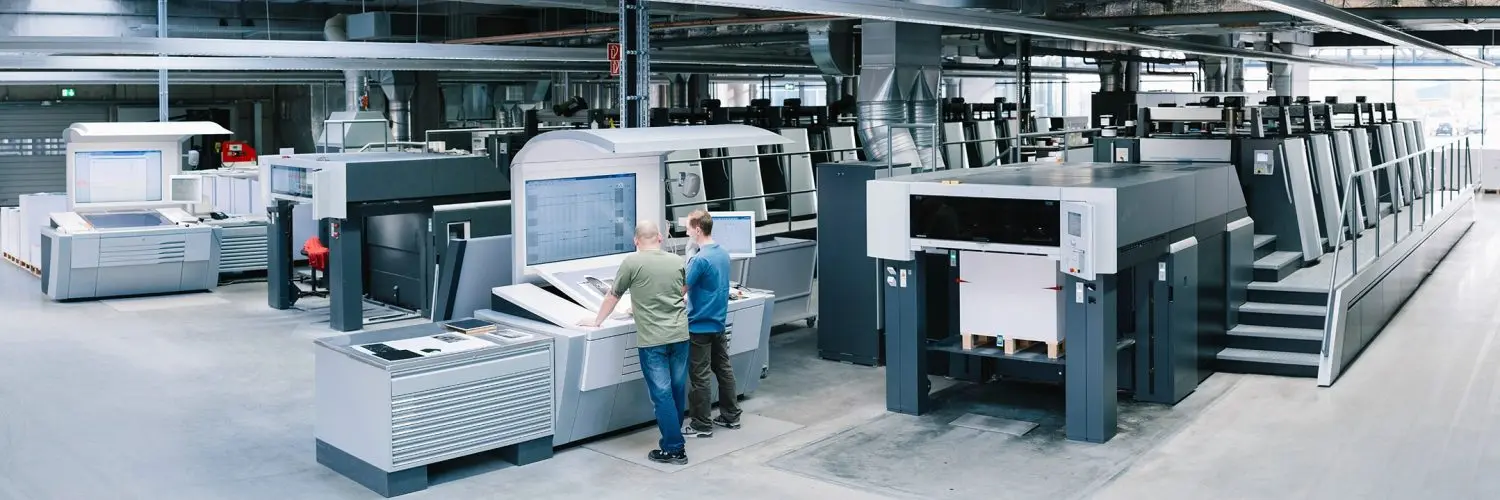
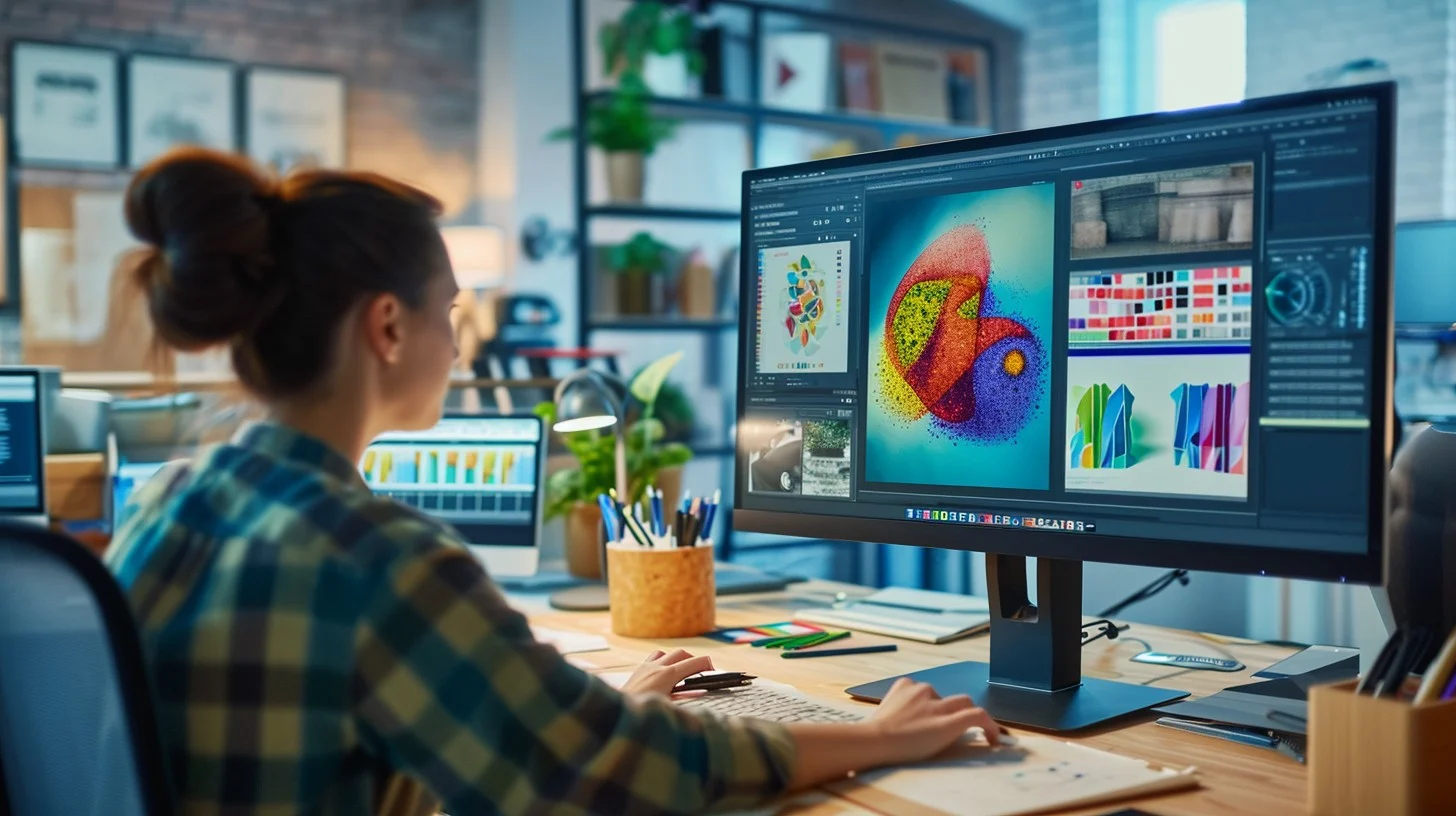
UGI Packaging is a comprehensive one-stop packaging solution provider that goes far beyond graphic design. We offer a complete suite of customization services spanning every stage of packaging development, from concept to final delivery.
Our services include Graphic & Branding Design, which helps you establish visual identity through strategic logo placement, brand color systems, typography, design themes (minimalist, vintage, luxury), and premium finishing effects like UV coating, hot foil stamping, embossing, and matte lamination.
We provide Structural Design & Box Types expertise, featuring 20+ box structures, shipping-safe reinforcements, product-fitted designs, and die-cut patterns using advanced CAD/ArtiosCAD design tools for precise custom packaging engineering.
Our Material Selection Guide helps you navigate options including paper (cardboard, kraft, specialty), plastics (PET, PP, PVC), metal, wood, and fabric, with emphasis on FSC-certified, biodegradable, and recycled eco-friendly materials.
In Printing & Color Systems, we master CMYK and Pantone color matching, offset printing, digital printing, flexography, and screen printing techniques to ensure accurate brand color reproduction every time.
Surface Finishing Options include lamination (gloss, matte, soft-touch), spot UV, hot foil stamping in multiple metallic finishes, embossing, debossing, and specialty texture coatings.
Beyond these core services, we offer Inserts & Lining Solutions for product protection, Functional Features Design (handles, windows, dividers, smart labels, NFC chips, QR codes), Quality & Certifications (ISO 9001, FDA compliance, FSC certification), and integrated Fulfillment & Logistics including printing, packing, labeling, and door-to-door delivery.
Whether you need a simple design refresh or a complete end-to-end packaging system solution, UGI Packaging provides professional, comprehensive support to elevate your brand’s market presence.
Complete Guide to Packaging Graphic Design: Logo, Colors, Typography & Brand Identity
Master the Visual Language That Sells
📄 Summary
This comprehensive guide covers everything you need to know about packaging graphic design—from foundational principles to advanced finishing techniques. Whether you’re launching a new product or refreshing existing packaging, you’ll learn how to create designs that capture attention, communicate value, and drive sales.
We explore six critical design elements: strategic logo placement that ensures brand recognition, color psychology that influences purchase decisions, typography that creates clear information hierarchy, design styles that express brand personality, premium finishing effects that create tactile luxury, and complete customization workflows.
Backed by industry research, real-world examples, and professional best practices from UGI Packaging, this guide equips you with actionable knowledge to transform your packaging into a powerful marketing tool.
📑 Table of Contents
Packaging graphic design is the art and science of creating visual communication on product packaging. It encompasses everything consumers see when they encounter your product: logos, colors, typography, images, patterns, and finishing effects that work together to tell your brand story.
At UGI Packaging, we understand that packaging graphic design goes far beyond aesthetics. Unlike other forms of visual design, packaging must balance multiple objectives simultaneously:
🎯 Brand Recognition
Instant visual identification in retail environments where consumers make split-second decisions.
📊 Information Communication
Clear presentation of product details, ingredients, and legal requirements without overwhelming design.
💝 Emotional Connection
Creating desire and trust through visual appeal that resonates with target audience values.
⚖️ Regulatory Compliance
Meeting legal requirements while maintaining attractive aesthetics.
🏪 Shelf Impact
Standing out among competitors in crowded retail environments.
🏭 Production Feasibility
Designs that can be accurately manufactured using printing techniques and surface finishing.
💡 Research Insight: According to Shopify’s retail research, 70% of purchasing decisions are made at the point of sale, and consumers spend just 3-7 seconds looking at products before deciding. Your packaging graphic design must capture attention and communicate value instantly.
Logo Design & Strategic Placement
Your logo is the cornerstone of brand identity—learn optimal placement, sizing, and testing strategies
The Psychology of Logo Recognition
Human brains process visual information 60,000 times faster than text. A well-placed, clearly visible logo triggers instant brand recognition, which research from Nielsen Norman Group shows significantly increases purchase likelihood. This is why logo placement isn’t just about aesthetics—it’s strategic marketing.
Optimal Logo Placement Principles
Primary Placement Zone
Center-top or center-front position receives maximum visibility on retail shelves. This “golden zone” is at average eye level (approximately 4-5.5 feet from ground) where consumer attention naturally focuses.
Size Guidelines
Logo should occupy 10-20% of the primary display panel for balanced visual hierarchy. Too large overwhelms other information; too small loses impact.
Clear Space Protection
Maintain minimum clear space around logo equal to the height of one logo letter or icon element. This breathing room ensures logo prominence.
360-Degree Presence
Consider logo placement on all visible sides, especially for products displayed on rotating shelves. Multiple placements increase recognition opportunities.
Scalability Standards
Ensure logo remains legible at smallest package size (typically 25mm minimum width). Test visibility from 3-5 feet distance.
Material Considerations
Logo must adapt to different packaging materials and surface finishes. Shiny surfaces may require darker outlines; textured materials need simplified versions.
Logo Variations for Packaging
Professional packaging design requires multiple logo versions optimized for different applications:
- Primary Full-Color Logo: Used on main display panels with sufficient space and full-color printing capability
- Single-Color Version: Essential for cost-effective printing or when brand colors can’t be accurately reproduced
- Reversed (White) Version: For dark backgrounds or premium black packaging designs
- Simplified Icon: Compact version for small spaces like bottle caps, seals, or secondary packaging elements
- Horizontal and Vertical Layouts: Flexibility for different panel shapes and orientations
Common Logo Placement Mistakes
❌ Mistake #1: Bottom Placement
Placing logo too low where it gets hidden by shelf edges. Logo should be in upper 60% of primary panel.
✅ Solution:
Position logo in upper third or center, considering how products sit on shelves and what portions remain visible.
❌ Mistake #2: Oversized Logo
Making logo too large overwhelms product name and required legal disclosures.
✅ Solution:
Balance logo with product name for visual hierarchy. Both should compete for attention equally.
❌ Mistake #3: Complex Detail
Fine details or thin lines disappear when scaled down or printed on textured materials.
✅ Solution:
Simplify logo for packaging. Create a packaging-specific version if original has intricate elements.
❌ Mistake #4: Inconsistent Versions
Using different logo variations without clear system, confusing consumers and diluting brand recognition.
✅ Solution:
Establish clear usage guidelines. Maintain consistency while allowing approved variations for different product categories.
Testing Logo Effectiveness
Before finalizing, conduct these critical tests:
- Shelf Simulation Test: Place mockups on actual retail shelves among competitors. View from various angles and distances.
- Lighting Conditions Test: Evaluate under fluorescent, LED, and natural daylight commonly used in retail.
- 5-Second Recognition Test: Show packaging to unfamiliar viewers for 5 seconds. Can they identify your brand?
- Mobile Photography Test: Smartphone photos from 6-8 feet away—typical shelf viewing distance and social media sharing.
- Print Proof Verification: Review physical printed samples, as colors and details differ dramatically from screen mockups.
💡 Pro Tip: See our video showcase to see how professional logo placement and printing techniques create impact in real-world packaging applications.
Brand Color Systems & Psychology
Color increases brand recognition by 80% and influences purchasing decisions within 90 seconds
Color is the fastest form of non-verbal communication in packaging design. Research from the Journal of Marketing shows that color increases brand recognition by up to 80% and influences purchasing decisions within the first 90 seconds of product interaction.
At UGI Packaging, we leverage color psychology to create packaging that not only looks beautiful but strategically drives consumer behavior and brand loyalty.
Color Psychology in Packaging Design
Different colors trigger distinct emotional and psychological responses. Understanding these associations helps select color palettes that align with brand positioning and target audience expectations.
🔴 Red
Psychology: Energy, passion, urgency, appetite stimulation
Best for: Food products (snacks, beverages), sale items, impulse purchases
Brands: Coca-Cola, KFC, Red Bull
🔵 Blue
Psychology: Trust, reliability, calm, professionalism
Best for: Health products, technology, corporate brands, water products
Brands: Nivea, Oral-B, Samsung
🟢 Green
Psychology: Nature, health, freshness, sustainability
Best for: Organic products, eco-friendly brands, natural cosmetics, fresh foods
Brands: Whole Foods, The Body Shop, Sprite
🟡 Yellow
Psychology: Optimism, warmth, attention-grabbing, happiness
Best for: Children’s products, affordable items, cheerful brands
Brands: McDonald’s, Best Buy, IKEA
🟣 Purple
Psychology: Luxury, creativity, wisdom, sophistication
Best for: Premium products, beauty items, spiritual/wellness brands
Brands: Cadbury, Hallmark, Milka
⚫ Black
Psychology: Sophistication, power, elegance, exclusivity
Best for: Luxury goods, high-end cosmetics, premium products
Brands: Chanel, Dior, Jack Daniel’s
Industry-Specific Color Strategies
Successful packaging color selection considers industry conventions while finding differentiation opportunities.
Food & Beverage Packaging
- Warm Colors (Red, Orange, Yellow): Stimulate appetite and suggest intensity. Perfect for snacks, fast food, energy products.
- Green: Signals freshness, natural ingredients, healthy choices. Dominates organic and health food sectors.
- Brown/Earth Tones: Communicate authenticity, wholesome ingredients, artisanal quality. Popular for craft and bakery items.
- White: Suggests purity, cleanliness, premium quality. Common in dairy, organic, and minimalist health products.
Cosmetics & Beauty Packaging
- Pink/Rose Gold: Feminine appeal, romance, gentleness. Traditional but still dominant in women’s beauty.
- Black/Gold: Luxury positioning, premium formulations. High-end skincare and perfumes.
- White/Silver: Clinical effectiveness, purity, modern science. Anti-aging and dermatological products.
- Pastels: Gentle formulas, natural ingredients, sensitive skin care. Growing trend in clean beauty.
Technology & Electronics Packaging
- Blue: Innovation, reliability, cutting-edge technology. Tech industry standard.
- Black/White/Silver: Premium positioning, sleek design, modern aesthetics. Apple’s influence on tech packaging.
- Bright Accent Colors: Youth appeal, affordability, fun experience. Gaming and budget tech products.
💡 Industry Insight: According to Pantone, the global authority on color, 85% of consumers cite color as the primary reason for purchasing a particular product. Strategic color selection is essential for market success.
Building Your Brand Color System
Professional packaging design requires a structured color system, not random color choices.
Primary Brand Color
Your signature color appearing on all packaging. Becomes synonymous with your brand (Tiffany Blue, Coca-Cola Red). Must be unique enough to own in your category.
- Occupies 60-70% of packaging design
- Appears consistently across all products
- Requires precise Pantone specification
Secondary Colors (2-3)
Supporting colors providing variation while maintaining brand cohesion. Enable differentiation between flavors, variants, or product categories.
- Occupy 20-30% of design
- Must harmonize with primary color
- Allow product line distinction
Accent Colors
High-contrast colors used sparingly for calls-to-action and key benefits. Create visual interest without overwhelming.
- Occupy 5-10% of design
- Draw attention to important elements
- Can change seasonally or for promotions
Neutral Tones
White, black, or gray providing balance, readability, sophistication. Essential for text legibility and breathing space.
- Background colors for text
- Balance vibrant color schemes
- Enhance premium perception
CMYK vs. Pantone: Critical Decision for Packaging
Understanding the difference between CMYK and Pantone color systems is crucial for achieving accurate, consistent packaging colors.
CMYK (Four-Color Process Printing)
How CMYK Works
CMYK creates colors by mixing four inks: Cyan, Magenta, Yellow, and Black (Key). Different percentages combine to produce millions of color variations.
Best for:
- Full-color photography and complex imagery
- Gradients and color transitions
- Designs with many different colors
- Cost-effective multi-color printing
Limitations:
- Color consistency varies between print runs
- Cannot reproduce certain vibrant colors (bright oranges, teals)
- Metallic and fluorescent colors impossible
- Slight color shifts on different paper stocks
Pantone (Spot Color Printing)
How Pantone Works
Pantone uses pre-mixed inks formulated to exact specifications. Each color is a specific mixture producing consistent, repeatable results every time.
Best for:
- Exact brand color matching across all packaging
- Vibrant, saturated colors beyond CMYK gamut
- Metallic, fluorescent, and specialty colors
- Simple designs with 1-3 solid colors
- Premium packaging requiring color precision
Considerations:
- More expensive for designs using many colors
- Each Pantone color requires separate printing plate
- Not ideal for photographic images
- Perfect for logos and brand elements
✅ When to Use CMYK
- Product photography is primary visual
- Design uses gradients and blends
- Budget-conscious projects
- Quick turnaround needed
✅ When to Use Pantone
- Brand color consistency critical
- Metallic or fluorescent effects needed
- Simple, bold color designs
- Premium brand positioning
💡 Pro Tip: Many professional designs use BOTH—Pantone spot colors for logos and brand elements (perfect matching) combined with CMYK for photography and complex graphics. This hybrid approach balances cost, quality, and brand consistency.
Color Accessibility & Legibility
Beautiful colors are meaningless if consumers can’t read critical information. Proper contrast ensures readability for all consumers, including those with visual impairments.
Contrast Ratio Requirements:
- Body Text (Small Type): Minimum 4.5:1 contrast ratio against background
- Large Text (Headlines): Minimum 3:1 contrast ratio acceptable
- Critical Information (Warnings, Allergens): Aim for 7:1 contrast for maximum legibility
- Testing: Use online contrast checkers or design software plugins
❌ Poor Contrast Examples
- Light gray text on white background
- Yellow text on white background
- Dark blue text on black background
- Pastel colors on pastel backgrounds
✅ Good Contrast Examples
- Black text on white background (highest contrast)
- White text on dark backgrounds
- Dark colors on light backgrounds
- High-contrast complementary colors
Testing Your Color Palette
Before finalizing colors, conduct these essential tests:
- Physical Print Samples: Colors differ dramatically on screen vs. printed materials. Always approve physical samples on final materials with actual surface finishes.
- Multiple Lighting Conditions: Test under fluorescent store lights, LED lighting, natural daylight, and home lighting. Colors shift significantly with light source.
- Material Compatibility: Same ink color looks different on glossy vs. matte surfaces, white vs. kraft paper, smooth vs. textured materials. Test on all materials.
- Shelf Simulation: Place mockups alongside competitors to ensure colors stand out rather than blend in.
- Distance Testing: View from 6-8 feet away (typical shelf distance). Colors that work close-up may blur together from distance.
- Demographic Testing: Show color options to target audience representatives. Preferences vary by age, gender, culture, and taste.
Typography & Visual Hierarchy
Strategic typography ensures your message is read, understood, and remembered
Font Selection Principles
Legibility First
Minimum Sizes:
Body: 8-10pt
Key info: 12pt+
Product name: 18-24pt+
Legal: 6-8pt minimum
Font Hierarchy System
Maximum 3 Font Weights:
• Headline (bold/black)
• Secondary (medium)
• Body (regular/light)
Brand Personality Alignment
Font Types:
• Serif: traditional
• Sans-serif: modern
• Script: elegant
• Display: distinctive
Multi-Language Support
Support all required character sets. Plan for longer text (German +30%, French +20%).
Typography Hierarchy Levels
Level 1: Product Name
24-48pt, Bold/Black, upper third of panel, 7:1 contrast minimum. Readable from 6-8 feet.
Level 2: Key Benefits
16-24pt, Medium/Semibold, below product name. Use accent colors for emphasis.
Level 3: Descriptive Text
10-14pt, Regular, 1.4-1.6x line spacing, 2-3 lines max per paragraph.
Level 4: Legal/Regulatory
8-10pt, Regular, bottom of panels, grouped in dedicated zones.
Font Pairing Guidelines
✅ Effective Pairings
Serif + Sans-Serif: Classic contrast (Playfair + Open Sans)
Bold Sans + Light Sans: Modern cohesion (Montserrat variations)
Script + Sans-Serif: Personality (Pacifico + Roboto)
❌ Avoid These
Two decorative fonts compete for attention.
Similar serif pairings look accidental.
3+ font families create chaos.
Common Typography Mistakes
❌ Too Many Fonts
4+ fonts create clutter. Limit to 2 families maximum.
❌ Poor Contrast
Light gray on white is frustrating. Use 4.5:1 minimum ratio.
❌ Overly Decorative
Ornate fonts sacrifice readability. Reserve for logos only.
❌ Poor Spacing
Cramped text is hard to read. Use 1.4-1.6x line spacing.
Information Priority Framework
- Brand Identity (Logo) – “Who makes this?”
- Product Name – “What is this?”
- Key Benefit/USP – “Why choose this?”
- Product Visual – “What do I get?”
- Supporting Details – “Does this meet my needs?”
- Social Proof – “Can I trust this?”
- Usage Scenarios – “How do I use it?”
- Legal Requirements – “Is it safe for me?”
Design Styles, Patterns & Premium Finishing Effects
Express brand personality through visual language and tactile experiences
Six Major Design Styles
Minimalist Style
Characteristics: Clean lines, ample white space, 1-3 colors, essential elements only.
Psychology: Premium quality, sophistication, clarity, confidence.
Best For: Technology, premium beauty, high-end food, wellness products.
Vintage/Retro Style
Characteristics: Classic typography, earth tones, textured backgrounds, nostalgic imagery.
Psychology: Tradition, heritage, authenticity, time-tested quality.
Best For: Craft products, traditional foods, heritage brands, artisanal goods.
Natural/Organic Style
Characteristics: Earth tones, botanical illustrations, kraft textures, handwritten fonts.
Psychology: Sustainability, wholesomeness, nature connection, authenticity.
Best For: Organic foods, eco-friendly products, natural cosmetics, wellness items.
Luxury/Premium Style
Characteristics: Rich blacks, metallic accents, elegant serifs, minimal text, sophistication.
Psychology: Exclusivity, premium quality, sophistication, luxury.
Best For: High-end cosmetics, jewelry, luxury gifts, premium spirits.
Playful/Cute Style
Characteristics: Bright colors, rounded shapes, cartoon illustrations, fun typography.
Psychology: Joy, approachability, fun, playfulness.
Best For: Children’s products, snacks, fun gifts, candy, pet products.
Modern/Tech Style
Characteristics: Bold colors, geometric shapes, sans-serif, gradients, forward-thinking.
Psychology: Innovation, cutting-edge quality, performance, contemporary relevance.
Best For: Electronics, sports nutrition, energy products, startup brands.
Pattern Design Approaches
Geometric Patterns
Structured, mathematical shapes—triangles, hexagons, grids, tessellations. Convey order, precision, modernity.
Organic/Natural Patterns
Flowing, hand-drawn, botanical motifs—leaves, flowers, vines. Suggest authenticity, growth, nature.
Abstract Patterns
Non-representational designs—splashes, gradients, organic shapes. Express creativity and uniqueness.
Cultural Motifs
Heritage-inspired patterns—traditional textiles, regional designs, folk art. Communicate heritage and authenticity.
Premium Finishing Effects
Spot UV Coating
Effect: High-gloss varnish on specific areas creates striking contrast against matte surfaces.
Cost: $0.10-0.30/unit
Best For: Logos, product names, decorative patterns.
Hot Foil Stamping
Effect: Metallic foil (gold, silver, copper) heat-pressed for luxury and reflection.
Cost: $0.20-0.50/unit
Best For: Logos, brand names, decorative borders, gift packaging.
Embossing/Debossing
Effect: Raised or recessed designs add tactile three-dimensional quality.
Cost: $0.15-0.40/unit
Best For: Logos, seals, decorative patterns, texture creation.
Matte Lamination & Soft-Touch
Effect: Soft-touch matte finish creates premium, understated elegance with velvety feel.
Cost: $0.05-0.15/unit
Best For: Full surface coverage, luxury cosmetics, high-end products.
Gloss Lamination
Effect: High-shine finish intensifies colors and provides moisture protection.
Cost: $0.03-0.10/unit
Best For: Food packaging, vibrant colors, photography-heavy designs.
Holographic/Specialty Foils
Effect: Rainbow iridescent or patterned metallic finishes create eye-catching shimmer.
Cost: $0.30-0.80/unit
Best For: Limited editions, celebration products, youth-focused brands.
💡 Pro Tip: Combine 2-3 finishing techniques for luxury. Popular combinations: Matte + Spot UV (classic contrast), Debossing + Foil (ultimate luxury), Soft-Touch + Embossing (premium tactile experience).
Image & Photography Strategy
Visual storytelling through strategic product imagery and lifestyle photography
After logo, color, and typography, imagery is the next most impactful design element on packaging. Strategic product photography and lifestyle imagery communicate product quality, usage scenarios, and brand values before consumers read a single word.
According to Shutterstock’s research, visual content is 40 times more likely to be shared on social media than text, and consumers spend 80% longer viewing pages with images. For packaging, compelling imagery directly influences purchase decisions.
Three Types of Packaging Imagery
1. Product Photography
Purpose: Show exactly what consumers receive. Build trust through transparency.
Best Practices:
- High-quality, well-lit product shots from multiple angles
- Show product in natural, appealing context
- Highlight key features and quality indicators
- Use consistent lighting and backgrounds across product lines
- Resolution: Minimum 300 DPI for print
Examples: Food products shown prepared and appetizing, cosmetics showing texture/color, beverages in use
2. Lifestyle Photography
Purpose: Create emotional connection showing product in real-life scenarios.
Best Practices:
- Show product being used by relatable people
- Capture authentic moments and genuine emotions
- Feature diverse audiences matching your target demographic
- Use authentic settings that resonate with brand values
- Tell a story through the image
Examples: Family enjoying food together, professionals using skincare, athletes using sports products
3. Ingredient/Process Imagery
Purpose: Build credibility by showing quality ingredients or manufacturing process.
Best Practices:
- Close-up shots of premium ingredients
- Behind-the-scenes manufacturing imagery
- Sustainability and ethical sourcing visuals
- Scientific/technical process photos for tech products
- Honest, unpolished authenticity performs better
Examples: Fresh berries for jam, organic coffee beans, natural oil extraction
Photography Composition Rules for Packaging
Rule of Thirds
Divide your image into 9 equal sections using two equally spaced horizontal and two equally spaced vertical lines. Place interesting elements along these lines, not in the center. This creates more dynamic, visually appealing compositions that naturally draw the eye.
Depth of Field
Use shallow depth of field (blurred background) to make products pop. Sharp product with blurred background creates visual hierarchy and directs attention to what matters. Professional tip: Use f/2.8 or lower aperture for this effect.
Lighting
Professional lighting is non-negotiable for packaging photography:
- Key Light: Main light source highlighting product features
- Fill Light: Reduces harsh shadows, balances exposure
- Back Light: Creates separation from background, adds dimension
- Color Temperature: Warm light (3000K) for intimate, friendly feel; cool light (5000K+) for clean, clinical look
Negative Space
Don’t fill the entire image with product. Strategic empty space around the product makes it feel premium and less cluttered. Luxury brands masterfully use negative space to suggest quality and exclusivity.
Color Consistency Across Images
If using multiple product images on packaging, they must look cohesive:
- Consistent Color Grading: Same tone, saturation, and warmth across all images
- Matching Lighting Style: Same direction, intensity, and quality of light
- Unified Backgrounds: If using backgrounds, keep them consistent or minimal
- Professional Post-Processing: Color correction, retouching, and enhancement done professionally
- Avoid Over-Processing: Modern consumers distrust overly edited images. Authenticity matters.
Imagery for Different Product Categories
Food & Beverage
- Make food look fresh, appetizing, and craveable
- Show finished product or ingredients prepared attractively
- Include lifestyle shots of people enjoying the product
- Highlight natural/organic ingredients if that’s your positioning
- Use warm lighting to stimulate appetite
Cosmetics & Beauty
- Show product texture, color, and consistency clearly
- Use before/after imagery (if supported by claims)
- Feature diverse skin tones and skin types
- Lifestyle imagery showing confident, beautiful people
- Close-up detail shots showcasing quality
Supplements & Health
- Show capsules/tablets clearly
- Include healthy lifestyle imagery
- Active people, fresh ingredients, natural environments
- Scientific-looking imagery if emphasizing research/development
- Authenticity and trustworthiness critical
Technology & Electronics
- Clean, professional product shots on neutral backgrounds
- Detail shots highlighting innovative design
- Product in use showing functionality
- Minimalist, sophisticated aesthetic preferred
- Consistent with brand tech aesthetic
Photography Technical Specifications
Resolution Requirements
- Print: Minimum 300 DPI (dots per inch)
- Digital Preview: 72 DPI minimum
- File Format: TIFF or high-quality JPG for delivery
- Color Profile: RGB for digital, CMYK for print
Image Dimensions
- Match your package panel dimensions exactly
- Add 0.125″ (3mm) bleed on all sides for safety
- Provide high-resolution master files (3000x3000px minimum)
- Archive original RAW files for future edits
Rights & Usage Licensing
If using photography from external sources (stock photos, hired photographers), ensure proper licensing:
- Exclusive Rights: Best for brand photography—only you can use it
- Commercial License: Standard for commercial product packaging
- Perpetual License: Can use indefinitely (preferred for packaging)
- Model Releases: Required if using people in photos for commercial use
- Property Releases: Required if featuring recognizable private property
💡 Pro Tip: Invest in professional product photography. Poor or inconsistent imagery undermines even excellent design work. The cost of professional photography is minimal compared to print runs, and quality images significantly boost perceived value and conversion rates.
Information Hierarchy & Layout Optimization
Strategic organization of information ensures consumers find what matters most instantly
Beyond individual design elements, packaging success depends on how information is organized and prioritized. Information hierarchy determines what consumers see first, second, and third—ultimately influencing purchase decisions and satisfaction.
According to Nielsen Norman Group’s research on information architecture, clear hierarchy reduces cognitive load and increases information retention by 30-50%. For packaging, this translates directly to consumer understanding and brand preference.
The Packaging Layout Zones
Professional packaging divides the visible surface into distinct zones, each serving a specific purpose:
Zone 1: Hero Zone (Top 40%)
What Goes Here: Logo, brand name, primary visual, key benefit claim
Purpose: Immediate brand identification and shelf impact
Strategy: Make it impossible to miss. This is what consumers see first when looking at the shelf.
Zone 2: Content Zone (Middle 40%)
What Goes Here: Product description, key features, benefits, product imagery
Purpose: Communicate value and justify purchase
Strategy: Lead with most important information. Support with secondary details and visuals.
Zone 3: Reference Zone (Bottom 20%)
What Goes Here: Legal text, ingredients, barcodes, certifications, contact info
Purpose: Compliance and reference information
Strategy: Keep clean and organized. Required but not where you want primary focus.
Layout Principles for Multi-Panel Packaging
Front Panel (Primary Display Panel)
This is what consumers see first on shelf. Maximum visual impact zone:
- Logo/Brand name prominently placed
- Main product visual or hero image
- Primary selling proposition
- Clean, uncluttered design
- Bold, high-contrast colors
Back Panel
Consumers read this after deciding to examine package more closely:
- Extended product description
- Detailed benefits and features
- Usage instructions and serving suggestions
- Company information and contact details
- More dense text acceptable here
Side Panels
Often overlooked but important real estate:
- Reinforcing brand message or secondary benefit
- Product variants or flavor variations (for multi-packs)
- QR codes linking to digital content
- Awards, certifications, or social proof
Grid Systems & Alignment
Professional packaging uses underlying grid systems that ensure visual harmony:
- Modular Grid: Divides space into consistent columns and rows. Elements align to grid intersections.
- Alignment: Text, images, and graphic elements align consistently (left, center, or right—pick one and stick with it)
- Consistency: Same elements appear in same positions across multiple products in a line
- Breathing Room: Strategic white space around elements prevents crowding
- Visual Flow: Guides eye naturally from top to bottom, left to right
Information Priority Framework (Revisited with Layout Context)
Information hierarchy determines not just size/color, but also POSITION on packaging:
✅ Correct Priority Layout
Front Panel (Top): Logo, brand name, main visual
Front Panel (Middle): Product name, key benefit
Front Panel (Bottom): Secondary benefits, decorative elements
Back Panel: Detailed information, ingredients, instructions
❌ Incorrect Priority Layout
Front Panel: Crammed with all information at once
Unclear Hierarchy: Can’t tell what’s most important
Visual Chaos: Logo, text, images competing equally
Wasted Space: Back panel mostly empty while front is overcrowded
Text Layout Best Practices
Column Width & Line Length
- Optimal Line Length: 50-75 characters per line for easy reading
- Too Long: Difficult to track line to line, eye strain
- Too Short: Too many line breaks, choppy reading experience
Paragraph Structure
- Short paragraphs (2-3 lines maximum for body text)
- Clear topic sentence at paragraph start
- Add white space between paragraphs
- Use bullet points for feature lists
Text Alignment
- Left-Aligned: Most readable for body text (standard choice)
- Center-Aligned: Use sparingly, mainly for headlines or premium brands
- Justified: Creates uneven word spacing, harder to read
- Right-Aligned: Almost never appropriate for body text
Visual Hierarchy Checklist
Size Hierarchy
- Logo/Brand: Largest (or prominently sized)
- Product Name: 2-3x body text size
- Key Claim: 1.5-2x body text size
- Body Text: 10-14pt baseline
- Legal/Reference: Smallest legible size (6-8pt)
Color Hierarchy
- Primary Brand Color: Logo, product name, primary elements
- Secondary Colors: Supporting elements, callouts
- Neutral Colors: Body text, backgrounds
- Accent Colors: Highlights, important warnings
Packaging Mockup & Testing Methods
Validate your design before expensive production runs
Design on screen looks dramatically different from physical packaging. Before committing to expensive production runs, strategic mockups and testing catch issues that could otherwise cost thousands.
Digital Mockups
Start with digital visualization to preview your design:
3D Mockup Rendering
Tools: Adobe Dimension, Blender, Photoshop 3D, or professional mockup services
Advantages:
- See packaging in realistic 3D perspective
- Test different angles and orientations
- Preview with realistic shadows and reflections
- Fast iterations without printing
- Share with stakeholders for feedback
Limitations: Doesn’t show actual print quality, material texture, or finish effects
Flat Mockups
What: 2D layouts of unfolded packaging (dielines)
Advantages:
- Verify all elements fit correctly
- Check text readability and spacing
- Confirm bleed lines and safe area compliance
- Ensure barcodes are properly positioned
Use Case: Design verification before production setup
Lifestyle Mockups
What: Your packaging displayed in realistic environment (shelf, hand, lifestyle context)
Advantages:
- See how packaging looks on actual retail shelf
- Compare alongside competitor products
- Test shelf impact and visibility
- Great for marketing and e-commerce
Tools: Photoshop compositing or professional mockup services
Physical Prototyping
Inkjet Print Tests (Budget-Friendly)
- Cost: $5-50 depending on size
- Process: Print design on sample packaging material using desktop/large-format printer
- Purpose: Quick visual verification, rough quality check
- Limitations: Quality doesn’t match professional printing; no finishing effects
Color Proofs (Professional Standard)
- Cost: $50-200 depending on complexity
- Process: Professional color-accurate prints on actual packaging materials
- Purpose: Verify colors match specifications, test material compatibility
- Best Practice: Always approve physical proofs before full production
- Timeline: 3-5 business days typical
Pre-Production Samples (With Finishing)
- Cost: $200-1000+ depending on finishing effects
- Process: Full production setup on small quantity (usually 10-50 units)
- Includes: All finishing effects (UV, foil, embossing, etc.)
- Purpose: Final validation before large production run
- Timeline: 2-3 weeks typical
- ROI: Catches expensive mistakes; easily justifies cost
Testing Methodology
Step 1: Design Verification (Digital)
Before any printing, verify:
- File is correct resolution (300 DPI for print)
- Colors are in CMYK (for process) or Pantone (for spot color)
- Text is outlined (converted to curves)
- All images are embedded, not linked
- Bleeds are properly set (minimum 0.125″/3mm)
- Safe area respected (critical elements 0.25″/6mm from edge)
Step 2: Color Proof Review (Physical)
When you receive color proofs, check:
- Colors match brand specifications (Pantone standards)
- Text readability and legibility
- Image quality and focus
- No unexpected color shifts on paper/material
- Registration accuracy (alignment of multiple colors)
- Contrast ratios for critical information
Step 3: Finishing Effect Review (With Finishing Samples)
Evaluate finishing in samples:
- UV coating: Gloss consistency, coverage completeness
- Foil stamping: Adhesion, color accuracy, coverage
- Embossing: Depth consistency, detail sharpness
- Soft-touch: Uniformity, durability through handling
- Overall quality and premium feel
Step 4: Market Testing (Before Full Launch)
Test with actual consumers:
- Shelf Testing: Place samples on retail shelf alongside competitors
- Consumer Feedback: Show 20-30 target audience members; gather feedback
- Readability Testing: Can consumers easily find key information?
- Emotional Testing: Does design evoke intended emotional response?
- Competitive Comparison: How does it stand out against similar products?
Common Issues Caught by Testing
❌ Issues Discovered via Testing
- Color looks completely different on actual material
- Text is unreadable due to poor contrast
- Registration misalignment creates color halos
- Foil adhesion problems or peeling
- Barcode doesn’t scan properly
- Design doesn’t stand out on shelf
- Finishing effects look cheap or amateur
- Size/proportion issues when assembled
✅ Why Testing Saves Money
- Cost of samples: $200-1000
- Cost of reprinting entire run: $5000-50000+
- Testing catches issues 99% of the time
- Small fix in samples = massive savings
- Confidence before committing to production
Testing Timeline & Approval Process
- Digital Design Verification (1-2 days): Check files, settings, specifications
- Request Color Proofs (5-10 days): Print house produces samples
- Color Proof Review (2-3 days): You evaluate, provide feedback
- Revisions if Needed (3-7 days): Corrections made, new proofs printed
- Finishing Sample Production (7-14 days): If using special effects
- Final Approval (1-2 days): Sign off on final samples
- Production Setup (3-5 days): Prepare for full production
- Full Production Run (2-4 weeks): Print and finishing
💡 Pro Tip: Never skip the physical proof stage. Budget time and money for samples—it’s the best insurance against expensive mistakes. Most packaging professionals recommend 2-3 proof rounds before final approval.
How to Custom Design with UGI Packaging
Transform your vision into production-ready packaging through our proven 5-stage process
Creating exceptional packaging requires more than great design—it demands strategic planning, clear communication, and technical expertise. At UGI Packaging, we’ve refined a proven workflow that transforms brand visions into market-ready packaging.
The Five-Stage Custom Design Process
Our collaborative design process ensures your packaging looks stunning and meets all functional, regulatory, and production requirements.
Discovery & Strategy
We begin by understanding your brand, target audience, market positioning, and specific packaging requirements. We discuss your vision, budget, timeline, and any regulatory requirements specific to your product category.
- Brand audit and competitor analysis
- Target audience profiling
- Package format and material selection
- Regulatory compliance requirements
Concept Development
Our designers create 2-4 initial design concepts exploring different creative directions based on your brand strategy. Each concept includes design style options, color palettes, and visual approaches.
- 2-4 initial creative directions
- Design style exploration
- Color palette options
- Layout and hierarchy studies
Refinement & Approval
After your feedback, we refine the selected direction with detailed revisions. We incorporate suggestions, adjust colors, refine typography, and perfect visual hierarchy until the design meets your vision.
- Unlimited revision rounds (within scope)
- Color specification finalization
- Typography and layout refinement
- Finishing effect planning
Production Files & Samples
We prepare production-ready design files with proper specifications: CMYK color separation, Pantone spot color layers, correct resolution, bleeds, and die-line information. We also produce digital mockups and printed samples for approval.
- Production-ready files (AI, PDF, PDF/X)
- Digital mockups on package templates
- Printed color proofs on final materials
- Die-line accuracy verification
Final Production
After your final approval of printed samples, we prepare files for production printing. We manage all technical specifications, confirm material selections, and coordinate with production teams to ensure perfect execution.
- Final design file handoff
- Production coordination
- Quality assurance oversight
- First article inspection
What to Prepare Before Starting
To ensure a smooth design process and accelerate timelines, please prepare the following information before contacting our design team:
Brand Assets & Guidelines
- Your logo (vector files preferred)
- Brand colors (Pantone, CMYK, RGB)
- Brand guidelines document (if available)
- Approved brand fonts
- Brand photography or imagery style
Product Information
- Product name and description
- Key product benefits (3-5 main points)
- Target audience demographics
- Unique selling propositions
- Any product certifications or claims
Packaging Specifications
- Package type (box, pouch, bottle, etc.)
- Package dimensions (length × width × height)
- Material preference (paper, kraft, specialty)
- Printing color quantity (CMYK, 1-color, 2-color, etc.)
- Desired finishing effects
Regulatory Requirements
- Product category and regulations (food, cosmetics, etc.)
- Required label elements (ingredients, warnings, etc.)
- Target markets (affects language and certification marks)
- Allergen or special handling information
- Nutritional information (if required)
Design Timeline & Delivery
Our design timeline depends on project complexity, revision rounds, and sample production. Here’s a typical schedule:
- Simple Redesign (existing format): 2-3 weeks
- Standard New Design: 3-4 weeks
- Complex Design (multiple variants, languages): 4-6 weeks
- Rush Projects: Available upon request (additional fees may apply)
- Printed Sample Production: Add 1-2 weeks for physical proofs
💡 Pro Tip: Early planning prevents delays. Submit your requirements as soon as possible—even rough drafts or competitor examples help us understand your vision. If you have a specific launch deadline, share it upfront so we can allocate resources appropriately.
Design Investment & Pricing
Design investment varies based on project scope. We offer flexible packages to accommodate different budgets and requirements:
Budget-Conscious Option
Perfect for startups and small runs. Includes initial concepts, revisions, and final files. Minimal finishing effects.
- 2 initial concepts
- 3 revision rounds
- Production-ready files
- Digital mockups only
Standard Package
Most popular option. Comprehensive design process with physical sample approval before production.
- 3-4 initial concepts
- Unlimited revisions (within scope)
- Production-ready files
- Printed color proofs
Premium Package
For brands investing in exceptional packaging. Includes strategic consultation, premium finishing planning, and comprehensive project management.
- Strategic brand consultation
- 4-5 initial concepts
- Unlimited revisions
- Finishing effect samples
- Full production coordination
For detailed pricing information specific to your project, contact our design team with your project specifications. We’ll provide a customized quote within 24 hours.
Frequently Asked Questions
Common questions about packaging design answered by our expert team
Absolutely! Many clients begin packaging design before finalizing their logo. We can design packaging that accommodates your logo-to-be, or we can help you develop a logo as part of the design process. Some brands even discover their strongest logo through the packaging design journey. Let us know if you need integrated logo and packaging design.
Our Standard and Premium packages include unlimited revisions within the original project scope. Minor adjustments to colors, typography, and layout are included at no additional cost. Major scope changes (such as adding new elements, changing package format, or redesigning 50%+ of the layout) may incur additional fees. We’re committed to getting your design exactly right!
We deliver production-ready files in multiple formats: Adobe Illustrator (.ai) for editing, high-resolution PDF for proofing, and PDF/X-1a for printing. All files include proper color separation (CMYK + Pantone), die-lines, bleeds, and comprehensive layer organization. We also provide high-resolution JPGs for digital use and mockups on package templates.
Yes! We specialize in creating flexible design systems that maintain brand consistency across multiple package sizes. We ensure your logo, color palette, and visual hierarchy work perfectly whether your package is a small sample or a large retail box. Each size requires design consideration, but a well-structured design system makes scaling efficient and cost-effective.
We always produce printed color proofs on your actual packaging materials before full production. These physical proofs reveal how colors look on your specific paper stock, how finishes interact with the design, and whether registration and alignment are perfect. Many issues invisible on screen appear immediately on printed samples, which is why we recommend always approving physical proofs before production begins.
CMYK (four-color process) is ideal for photo-heavy designs or complex graphics with many colors. Pantone (spot color) ensures exact brand color matching and works better for solid colors, logos, and premium designs. Many professional packaging uses both: Pantone spot colors for logos and brand elements (ensuring perfect brand color matching) combined with CMYK for product photography and complex gradients. Our designers recommend the best approach for your specific needs.
Absolutely! We have expertise across multiple product categories and their specific regulations. Whether you need organic certification marks, allergen warnings, nutritional facts compliance, or region-specific requirements, we build these into the design from the start. We stay current with FDA, EU, and international packaging regulations to ensure your design is market-ready from day one.
Yes! We regularly design packaging for global markets requiring multiple languages and cultural adaptations. We ensure design systems work across different text lengths (German typically requires 30% more space than English), support proper character sets, and comply with regulations in each target market. We also adapt design elements for cultural preferences and regional aesthetics.
Premium finishes (spot UV, hot foil, embossing, soft-touch) add 15-40% to total packaging costs but can increase perceived value by 40-100%. Timeline-wise, finishes require additional production steps and may add 2-4 weeks to total project timeline. However, strategic use of one or two premium effects is cost-effective and creates tremendous perceived value. We help you allocate finishing effects strategically to maximize ROI.
After you approve the printed sample proofs, we prepare final production files and coordinate with our printing and finishing partners. We oversee the entire production process, conduct first article inspections, and ensure your packaging meets quality standards. You’ll receive regular updates throughout production. Upon completion, we ship finished packaging according to your specifications. Learn more about our printing processes.
Absolutely! Refreshing existing packaging is often faster and more cost-effective than starting from scratch. We analyze your current design, identify what’s working and what needs improvement, and create an updated version that maintains brand recognition while feeling fresh and contemporary. Redesign projects typically take 2-3 weeks and cost less than original design projects.
Getting started is easy! Contact our design team with your project details. Share your brand information, packaging requirements, and timeline. We’ll schedule a brief consultation to understand your vision, answer questions, and provide a customized quote. Most clients receive detailed project proposals within 24-48 hours of initial inquiry.
Ready to Transform Your Packaging?
UGI Packaging combines strategic design expertise with advanced finishing capabilities and production excellence. From concept to production, we ensure your packaging not only looks exceptional but feels luxurious in hand—creating memorable multi-sensory brand experiences.